


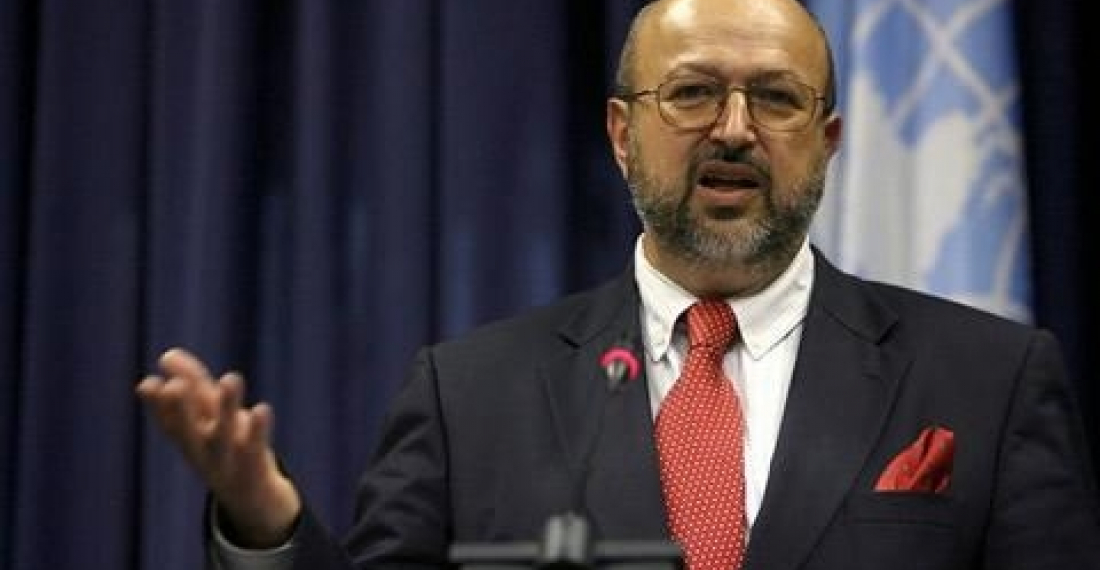
Генсек ОБСЕ:

Новоизбранный генеральный секретарь ОБСЕ Ламберто Заниер заявил в интервью турецкой газете «Заман», что «Турция может играть важную роль в нагорно-карабахском конфликте, решение по которому растянулось на долгие декады лет».

«Турция – важный игрок в регионе, и она может предложить внести свой политический вклад. Факт в том, что прогресса нет, что-то отсутствует», - заявил генсек. Он добавил, что вовлечение Турции в процесс не должно быть официальным. «Я не говорю о формальной роли в переговорах, но о реальных моментах. Турция граничит с обеими странами», - заявил Заниер. Подчеркнув важность диалога в разрешении любых конфликтов, он добавил: «Мое собственное мнение в том, что Турции необходимо создать условия для поощрения диалога с обеих сторон».

Генсек ОБСЕ добавил, что Турции самой нужно решать, как поступать. Говоря о критике в адрес мер ОБСЕ, предпринимаемых в деле решения карабахского конфликта, генсек отметил: «Я не говорю, что у нас монополия, но почему это не должна быть ОБСЕ? Это региональная организация, которая занимается проблемами безопасности. Есть толки о том, что мы должны переместить проблемы куда-то еще, но я не убежден, что, переместив вопрос еще куда-то, проблема будет решена. Проблем у организации с решением проблем нет. Проблема это суть вопроса». Он добавил, что в то время, как ОБСЕ делает все от нее зависящее, от сторон конфликта зависит само решение конфликта. Заниер подчеркнул, что от сторон требуется политическая воля, чтобы положить конец этому «историческому конфликту».

«Я заявил сегодня утром уже, что большое внимание уделяется механизмам, но есть также вопрос о том, готовы ли стороны заключить соглашение», - отметил генсек организации. Он добавил, что механизм, возможно, может быть исправлен, подчеркнув, что в итоге ответственность лежит на странах-членах.

«Вы можете повести лошадей к воде, но вы не можете принудить ее пить воду. Это почти такая же ситуация. Тем не менее, мы пытаемся создать необходимые условия. Мы стараемся управлять ситуацией на месте, но ситуация становится проблематичной в плане безопасности», - отметил генсек.

Следующим шагом, по словам генсека, это гарантировать то, чтобы предупредить эскалацию конфликта. «В общем, мы не может выстроить все условия и решить конфликт, поэтому самое лучшее будет регулировать ход решения конфликта с тем, чтобы ситуация не усугубилась. Это следующий этап, и от всех зависит продолжать оказывать содействие в этом с различных аспектов», - резюмировал генсек ОБСЕ.


Related articles

Editor's choice
News
Aden under curfew, as problem in Yemen's south deepens

Aden under curfew, as problem in Yemen's south deepens

The port city of Aden, in Yemen's south, has been put under curfew, as the rift in the country between  the Saudi led coalition which  backs Yemen's presidential governing council, and the southern forces led by the Southern Transitional Council (STC), deepens. Abdul Rahman al-Mahrami, a member of the Yemeni Presidential Governing Council and commander of the al-Amalik brigades, has ordered a curfew in the temporary capital, Aden, "to maintain security". "A curfew has been imposed throughout Aden Governorate from 9:00 p.m. to 6:00 a.m., in accordance with the instructions of Commander Abdul Rahman al-Mahrami, a member of the Presidential Management Council," the statement said. It states that only security and military personnel, as well as medical and technical teams with approved permits, will be allowed to move in the area during these hours. Yemen's presidential council, which is backed by Saudi Arabia and which already is in a struggle with the Houthi Movement in the north of the country who also occupy the capital Sanaa, two days ago issued an order for the arrest of the head of the Southern Transitional Council (STC),, Aidarous al Zubaidi. The STC have wide support among people in the South, and advocate that South Yemen restores its independence. The coalition warned of further escalation in Aden, long regarded as an STC stronghold, as the Presidential Leadership Council (PLC) chief accused STC leader Aidarous Al Zubaidi of “high treason” and announced the revocation of his membership in the governing body. The moves mark a sharp escalation in tensions within the anti-Houthi camp, despite National Shield Forces, rivals of the STC and former allies, having recently retaken control of Hadhramaut and Mahra from southern fighters. The STC’s takeover of the two regions last month angered Saudi Arabia and contributed to igniting the current internal conflict. (click the picture to read more)

Popular

Editor's choice
News
Aden under curfew, as problem in Yemen's south deepens

Aden under curfew, as problem in Yemen's south deepens

The port city of Aden, in Yemen's south, has been put under curfew, as the rift in the country between  the Saudi led coalition which  backs Yemen's presidential governing council, and the southern forces led by the Southern Transitional Council (STC), deepens. Abdul Rahman al-Mahrami, a member of the Yemeni Presidential Governing Council and commander of the al-Amalik brigades, has ordered a curfew in the temporary capital, Aden, "to maintain security". "A curfew has been imposed throughout Aden Governorate from 9:00 p.m. to 6:00 a.m., in accordance with the instructions of Commander Abdul Rahman al-Mahrami, a member of the Presidential Management Council," the statement said. It states that only security and military personnel, as well as medical and technical teams with approved permits, will be allowed to move in the area during these hours. Yemen's presidential council, which is backed by Saudi Arabia and which already is in a struggle with the Houthi Movement in the north of the country who also occupy the capital Sanaa, two days ago issued an order for the arrest of the head of the Southern Transitional Council (STC),, Aidarous al Zubaidi. The STC have wide support among people in the South, and advocate that South Yemen restores its independence. The coalition warned of further escalation in Aden, long regarded as an STC stronghold, as the Presidential Leadership Council (PLC) chief accused STC leader Aidarous Al Zubaidi of “high treason” and announced the revocation of his membership in the governing body. The moves mark a sharp escalation in tensions within the anti-Houthi camp, despite National Shield Forces, rivals of the STC and former allies, having recently retaken control of Hadhramaut and Mahra from southern fighters. The STC’s takeover of the two regions last month angered Saudi Arabia and contributed to igniting the current internal conflict. (click the picture to read more)

