


ЕС рассмотрел стратегию по Центральной Азии
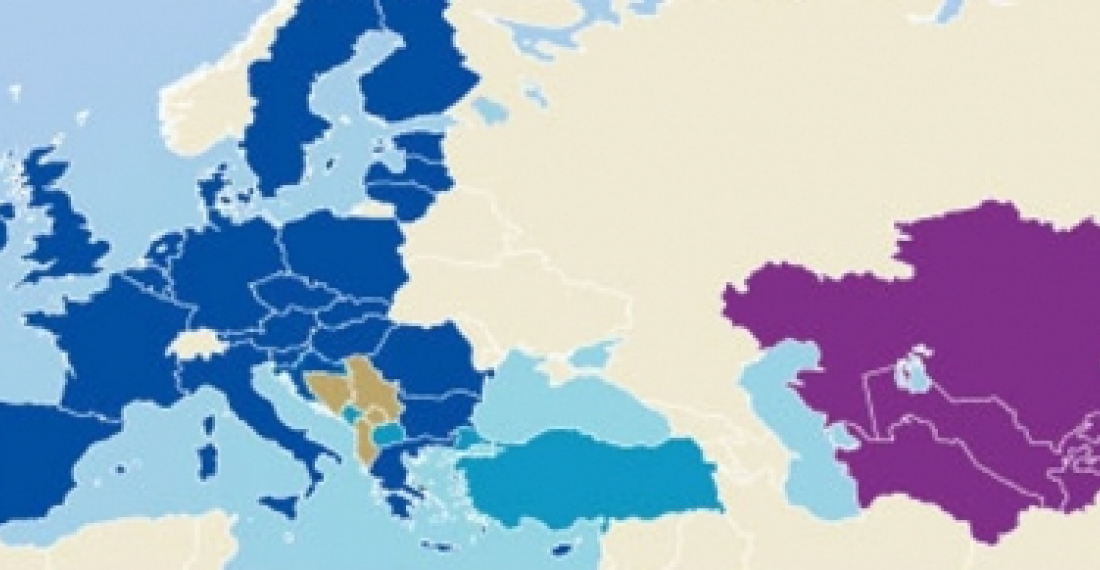
Совет министров иностранных дел Европейского Союза, представляющий 28 государств-членов, рассмотрел стратегию ЕС в отношении Центральной Азии.

В заявлении Совета сказано, "Учитывая, что Центральная Азия рассматривается как регион стратегического значения, Европейский Союз стремится к созданию сильных, прочных и стабильных отношений с пятью странами Центральной Азии. Восемь лет спустя после принятия Центрально-Азиатской стратегии, Совет приветствует значительный прогресс, достигнутый в развитии отношений ЕС с Казахстаном, Кыргызстаном, Таджикистаном, Туркменистаном и Узбекистаном, а также с Центрально-Азиатским регионом в целом. Подчеркивая значительную взаимную заинтересованность в повышенном политическом и экономическом сотрудничестве, Совет вновь подтверждает приверженность ЕС к отношениям, основанным на принципах ответственности, которые направлены на укрепление стабильного, безопасного и устойчивого развития в регионе".

Заявление также сказано, что основные цели и приоритетные направления Стратегии ЕС 2007 года по Центральной Азии сохраняют свою актуальность. В реализации Стратегии ЕС будет принимать во внимание уроки и перемены в регионе, а также изменения геополитической ситуации  вокруг него. Совет призывает к укреплению торговых и энергетических связей между ЕС и странами Центральной Азии и к укреплению сотрудничества по вопросам безопасности и стабильности, в том числе устойчивому развитию природными ресурсами.

Европейский Совет подчеркнул фундаментальную важность демократизации, уважения прав человека и верховенства закона и социально-экономического развития, в качестве основных компонентов стратегии ЕС в отношении Центральной Азии. Совет также отметил важность модернизации нынешнего Бюро по связям с ЕС в Ашхабаде до полной делегации.

Объем финансовых обязательств ЕС в рамках двустороннего и регионального сотрудничества с Центральной Азией на 2014-20гг. составит 1,068 млрд. евро. Это рост на 56% по сравнению с периодом 2007-2013 гг.

источник: commonspace.eu по материалам пресс-службы Совета Европейского Союза

Related articles

Editor's choice
News
Aden under curfew, as problem in Yemen's south deepens

Aden under curfew, as problem in Yemen's south deepens

The port city of Aden, in Yemen's south, has been put under curfew, as the rift in the country between  the Saudi led coalition which  backs Yemen's presidential governing council, and the southern forces led by the Southern Transitional Council (STC), deepens. Abdul Rahman al-Mahrami, a member of the Yemeni Presidential Governing Council and commander of the al-Amalik brigades, has ordered a curfew in the temporary capital, Aden, "to maintain security". "A curfew has been imposed throughout Aden Governorate from 9:00 p.m. to 6:00 a.m., in accordance with the instructions of Commander Abdul Rahman al-Mahrami, a member of the Presidential Management Council," the statement said. It states that only security and military personnel, as well as medical and technical teams with approved permits, will be allowed to move in the area during these hours. Yemen's presidential council, which is backed by Saudi Arabia and which already is in a struggle with the Houthi Movement in the north of the country who also occupy the capital Sanaa, two days ago issued an order for the arrest of the head of the Southern Transitional Council (STC),, Aidarous al Zubaidi. The STC have wide support among people in the South, and advocate that South Yemen restores its independence. The coalition warned of further escalation in Aden, long regarded as an STC stronghold, as the Presidential Leadership Council (PLC) chief accused STC leader Aidarous Al Zubaidi of “high treason” and announced the revocation of his membership in the governing body. The moves mark a sharp escalation in tensions within the anti-Houthi camp, despite National Shield Forces, rivals of the STC and former allies, having recently retaken control of Hadhramaut and Mahra from southern fighters. The STC’s takeover of the two regions last month angered Saudi Arabia and contributed to igniting the current internal conflict. (click the picture to read more)

Popular

Editor's choice
News
Aden under curfew, as problem in Yemen's south deepens

Aden under curfew, as problem in Yemen's south deepens

The port city of Aden, in Yemen's south, has been put under curfew, as the rift in the country between  the Saudi led coalition which  backs Yemen's presidential governing council, and the southern forces led by the Southern Transitional Council (STC), deepens. Abdul Rahman al-Mahrami, a member of the Yemeni Presidential Governing Council and commander of the al-Amalik brigades, has ordered a curfew in the temporary capital, Aden, "to maintain security". "A curfew has been imposed throughout Aden Governorate from 9:00 p.m. to 6:00 a.m., in accordance with the instructions of Commander Abdul Rahman al-Mahrami, a member of the Presidential Management Council," the statement said. It states that only security and military personnel, as well as medical and technical teams with approved permits, will be allowed to move in the area during these hours. Yemen's presidential council, which is backed by Saudi Arabia and which already is in a struggle with the Houthi Movement in the north of the country who also occupy the capital Sanaa, two days ago issued an order for the arrest of the head of the Southern Transitional Council (STC),, Aidarous al Zubaidi. The STC have wide support among people in the South, and advocate that South Yemen restores its independence. The coalition warned of further escalation in Aden, long regarded as an STC stronghold, as the Presidential Leadership Council (PLC) chief accused STC leader Aidarous Al Zubaidi of “high treason” and announced the revocation of his membership in the governing body. The moves mark a sharp escalation in tensions within the anti-Houthi camp, despite National Shield Forces, rivals of the STC and former allies, having recently retaken control of Hadhramaut and Mahra from southern fighters. The STC’s takeover of the two regions last month angered Saudi Arabia and contributed to igniting the current internal conflict. (click the picture to read more)



