


Девяносто девять лет спустя. События в Восточной Анатолии 1915 года позор в мировой истории 20-го века.

События в Восточной Анатолии в 1915 года легли пятном на мировую историю 20-го века. Резня сотен тысяч гражданских лиц, большинство из них армяне, в последние дни Османской империи, оставила огромный шрам, который пока еще не зажил.

В 99-ю годовщину этих событий, мир ищет ответы на то, почему и как это произошло, и делает шаг вперед к тому, что может позволить региону оставить прошлое позади и жить совместно в мире. Два современных государства, которых не было в 1915 году - Республика Армения и Турецкая Республика - теперь изо всех сил пытаются справиться с этим историческим багажом и поставить эти исторические события в их надлежащем контексте в современной реальности. Остальная часть мира также должна внести свой вклад в этот процесс, ради тех, кто погиб в 1915 году, ради их потомков, и что более важно, ради будущих поколений.

В своей речи в день годовщины Геноцида армян, президент Армении Серж Саргсян оглянулся на прошлое, но и стремился определить будущее. Глядя на прошлое, он сказал:

"Сегодня мы поминаем невинных жертв Геноцида армян. Полтора миллиона сынов и дочерей армянского народа стали жертвами такого преступления, которому в то время еще не было названия. Ни один человеческий язык тогда еще не придумал подобного выражения или слова. Они погибли лишь потому, что были армянами. Заранее и детально спланированное злодеяние имело четкую цель: истребив народ, завладеть его колыбелью-родиной, его имуществом и наследием тысячелетий. Так осуществлялся чудовищный план по полной ликвидации армянства, как политического фактора на исторической арене." 

Однако, армянский лидер также посмотрел и в будущее:

"Сегодня мы стоим на пороге 100-летия Геноцида армян. Оно может стать для Турции возможностью покаяться и оставить в стороне клеймо истории, если, конечно, в соседней стране смогут найти силы и освободить будущее своего государства от этого тяжелого бремени.

Одновременно публично подтверждаю: мы не рассматриваем турецкое общество в качестве врага. Склоняя голову перед памятью невинных жертв, мы помним всех тех турок, турецкие семьи, которые в те тяжелые дни протянули руку уничтожаемым варварами своим армянским соседям и друзьям, вырвали из когтей погромщиков многочисленных армянских детей. Слава памяти тех, кто даже подвергая опасности свою жизнь и жизнь своих семей, протянул руку помощи нашим многочисленным соотечественникам. Каждое общество, в том числе и турки, должны гордиться теми своими предками, которые спасали жизни и бросали вызов геноциду. Мы это помним."

Однако, годовщина в этом году отличается от остальных. Впервые политическое руководство Турецкой Республики совершило разумный шаг вперед в этом вопросе распространив заявление, которое хотя и не удовлетворяет требованиям Армении, но является чрезвычайно важным шагом, и должно быть признано таковым. Премьер-министр Турции Эрдоган в своем выступлении сказал:

"С надеждой и верой в то, что древние народы, обладающие схожими обычаями и традициями, принадлежащие к одной сложной, но уникальной географии, смогут вместе и достойным образом вспомнить о своем прошлом и о потерях, мы желаем, чтобы души армян, погибших в событиях начала ХХ века, покоились с миром, а их внукам передаем свои соболезнования" - говорится в заявлении.

"Независимо от их этнической или религиозной принадлежности, мы отдаем дань и уважение всем османским гражданам, которые погибли в тот же период и в аналогичных условиях."

Эрдоган добавил:

"24 апреля имеет особое значение для армянских граждан нашей страны и всех армян мира, представляет собой ценную возможность для свободного обмена мнениями в отношении исторических событий."

"Нельзя отрицать, что в последние годы существования Османской империи для миллионов её турецких, курдских, арабских, армянских и других граждан, вне зависимости от их религиозной и этнической принадлежности, это был сложный период, наполненный горькими событиями"

Заглядывая вперед, премьер-министр Турции заявил,

"Дух времени требует от нас говорить, несмотря на недопонимания, пытаться понять, слушая того, кто напротив тебя, оценивать поиски путей согласия, осуждать ненависть и возвышать принципы уважения и терпимости. Исходя из этого, Турецкая Республика предложила создать совместную историческую комиссию для научных исследований событий 1915 года."

"Такого рода совместное исследование турецких, армянских и международных историков сыграет большую роль в освещении событий 1915 года и правильной трактовки истории. В связи с этим мы открыли доступ к нашим архивам для всех исследователей."

"Народы Анатолии различного этнического и религиозного происхождения, которые жили совместно на протяжении сотен лет, создали общие ценности в различных сферах: от искусства до дипломатии, от государственного управления до торговли. И сегодня они обладают всеми возможностями и способностями для строительства нового будущего."

Мировому сообществу, правительствам, так же, как и гражданскому обществу сейчас необходимо собраться вместе для того, чтобы помочь Турции и Армении, и всем туркам и армянам во всем мире использовать следующий год для построения лучшего будущего, для извлечения уроков из прошлого, и обеспечением лучшей информированости о прошлом будущих поколений, с тем, чтобы такие черные страницы в истории человечества никогда не повторялись в Анатолии или же где-то еще.

Эта статья была впервые размещена на сайте www.links-dar.org 

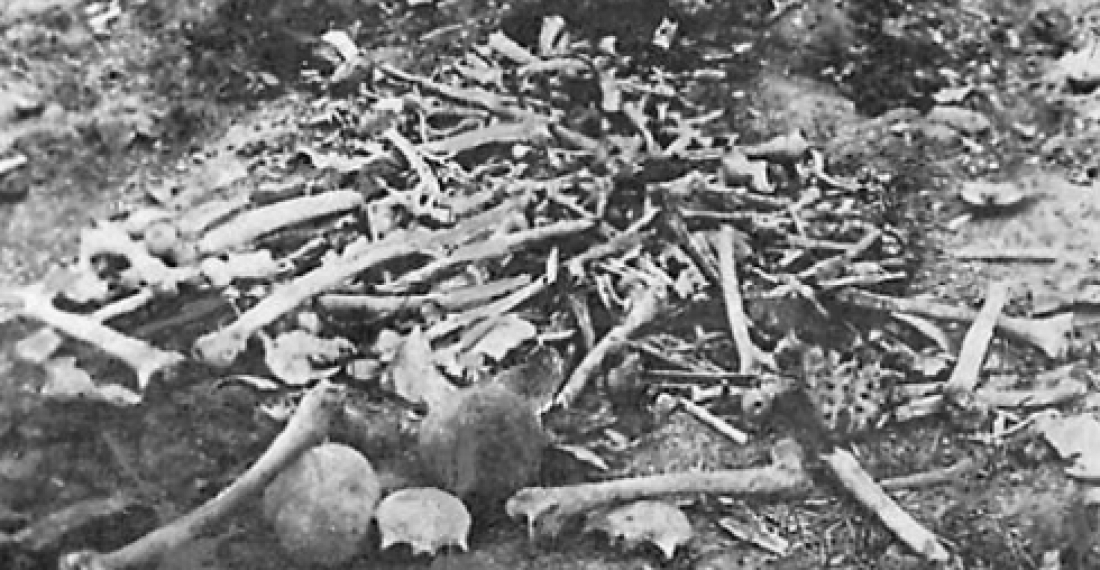
Фото: Геноцид армян в Эрзенияин. Посол США в то время писал: «Сцены, подобно этой были распространены во всех армянских провинциях, в весенние и летние месяцы 1915 года. Смерть в ее нескольких проявлениях - геноцид, голод, истощение среди большей части беженцев"


Related articles

Editor's choice
News
Russia adds pressure on Armenia ahead of key elections; recalls Ambassador in Yerevan for consultations

Russia adds pressure on Armenia ahead of key elections; recalls Ambassador in Yerevan for consultations

Ahead of key parliamentary elections,scheduled to be held in Armenia on Sunday, 7 June, Russia continues to attempt to put pressure on the Armenian Government led by prime minister Nikol Pashinyan. On 30 May, Russia recalled its Ambassador to Yerevan for consultations. A terse statement, published on the website of the Russian Foreign Ministry, said, "The Ambassador of the Russian Federation to the Republic of Armenia , S.P. Kopyrkin, has been summoned to Moscow for consultations in connection with the steps taken by the Armenian leadership to move closer to the European Union, which are detrimental to cooperation within the EAEU." This followed a statement issued the day before, by the leaders of the Eurasian Economic Union (EAEU) that challenges the Armenian trajectory towards approximating to the European Union. Vladimir Putin is undertood to have personally pushed the other four EAEU leaders to issue the statement, which said: "Taking into account the significant risks to the economic security of the member states of the Eurasian Economic Union (hereinafter referred to as the Union) arising in connection with the preparation of the Republic of Armenia for accession to the European Union, as well as the need to prevent the associated damage to the member states of the Union: decided that the members of the Eurasian Intergovernmental Council from the Republic of Belarus, the Republic of Kazakhstan, the Kyrgyz Republic and the Russian Federation will report at the next meeting of the Supreme Eurasian Economic Council in December 2026 on the possible consequences of the suspension of the Treaty on the Eurasian Economic Union with respect to the Republic of Armenia. We share the position on the need to hold a national referendum in the Republic of Armenia as soon as possible on joining the European Union or continuing to be part of the Eurasian Economic Union."
Editor's choice
News
The leaders of the states of the Eurasian Economic Union issued a tough statement warning fellow-member state Armenia of the consequences of its desire to join the European Union.

The leaders of the states of the Eurasian Economic Union issued a tough statement warning fellow-member state Armenia of the consequences of its desire to join the European Union.

The leaders of the states of the Eurasian Economic Union (EEAS) issued a tough statement warning fellow-member state Armenia of the consequences of its desire to join the European Union. The stark, sharply worded,  warning, comes days before crucial parliamentary elections in Armenia, scheduled for 7 June. The full statement said, “We, the Presidents of the Republic of Belarus, the Republic of Kazakhstan, the Kyrgyz Republic and the Russian Federation, Taking into account the actions of the Republic of Armenia aimed at joining the European Union, including the approval in 2025 by the National Assembly of the Republic of Armenia and the signing by the President of the Republic of Armenia of the Law of the Republic of Armenia "On the Start of the Process of Accession of the Republic of Armenia to the European Union", as well as the confirmation by the European Union of the European aspirations of the Government of the Republic of Armenia, expressed in the joint declaration following the first Armenia-European Union summit, adopted on 5 May 2026, Taking into account the significant risks to the economic security of the member states of the Eurasian Economic Union (hereinafter referred to as the Union) arising in connection with the preparation of the Republic of Armenia for accession to the European Union, as well as the need to prevent the associated damage to the member states of the Union: decided that the members of the Eurasian Intergovernmental Council from the Republic of Belarus, the Republic of Kazakhstan, the Kyrgyz Republic and the Russian Federation will report at the next meeting of the Supreme Eurasian Economic Council in December 2026 on the possible consequences of the suspension of the Treaty on the Eurasian Economic Union with respect to the Republic of Armenia. We share the position on the need to hold a national referendum in the Republic of Armenia as soon as possible on joining the European Union or continuing to be part of the Eurasian Economic Union. Astana, May 29, 2026” A meeting of the Supreme Eurasian Economic Council was held in Astana, Kazakhstan, on May 29, 2026. The meeting of the Supreme Eurasian Economic Council in a restricted format was attended by Russian President Vladimir Putin, Belarusian President Alexander Lukashenko , Kazakh President Kassym-Jomart Tokayev , Kyrgyz President Sadyr Japarov , Armenian Deputy Prime Minister Mher Grigoryan, and Chairman of the Board of the Eurasian Economic Commission Bakytzhan Sagintayev. From the Russian side, the meeting was also attended by Deputy Prime Minister and member of the Council of the Eurasian Economic Commission Alexey Overchuk and Presidential Aide Yury Ushakov . The heads of delegations from EAEU observer states, including President of Uzbekistan Shavkat Mirziyoyev , Vice President of Cuba Salvador Valdés Mesa, Minister of Industry, Mines, and Trade of Iran Mohammad Atabak, and CIS Secretary General Sergei Lebedev, joined the expanded meeting . Following the meeting of the Supreme Eurasian Economic Council, a number of documents were signed .

Popular

Editor's choice
Interview
Thursday Interview: Murad Muradov

Thursday Interview: Murad Muradov

Today, commonspace.eu starts a new regular weekly series. THURSDAY INTERVIEW, conducted by Lauri Nikulainen, will host  persons who are thinkers, opinion shapers, and implementors in their countries and spheres. We start the series with an interview with Murad Muradov, a leading person in Azerbaijan's think tank community. He is also the first co-chair of the Action Committee for a new Armenian-Azerbaijani Dialogue. Last September he made history by being the first Azerbaijani civil society activist to visit Armenia after the 44 day war, and the start of the peace process. Speaking about this visit Murad Muradov said: "My experience was largely positive. My negative expectations luckily didn’t play out. The discussions were respectful, the panel format bringing together experts from Armenia, Azerbaijan, and Turkey was particularly valuable during the NATO Rose-Roth Seminar in Yerevan, and media coverage, while varied in tone, remained largely constructive. Some media outlets though attempted to represent me as more of a government mouthpiece than an independent expert, which was totally misleading.  Overall, I see these initiatives as important steps in rebuilding trust and normalising professional engagement. The fact that soon a larger Azerbaijani civil society visits to Armenia followed, reinforces the sense that this process is moving in the right direction." (click the image to read the interview in full)

