Украинская боль

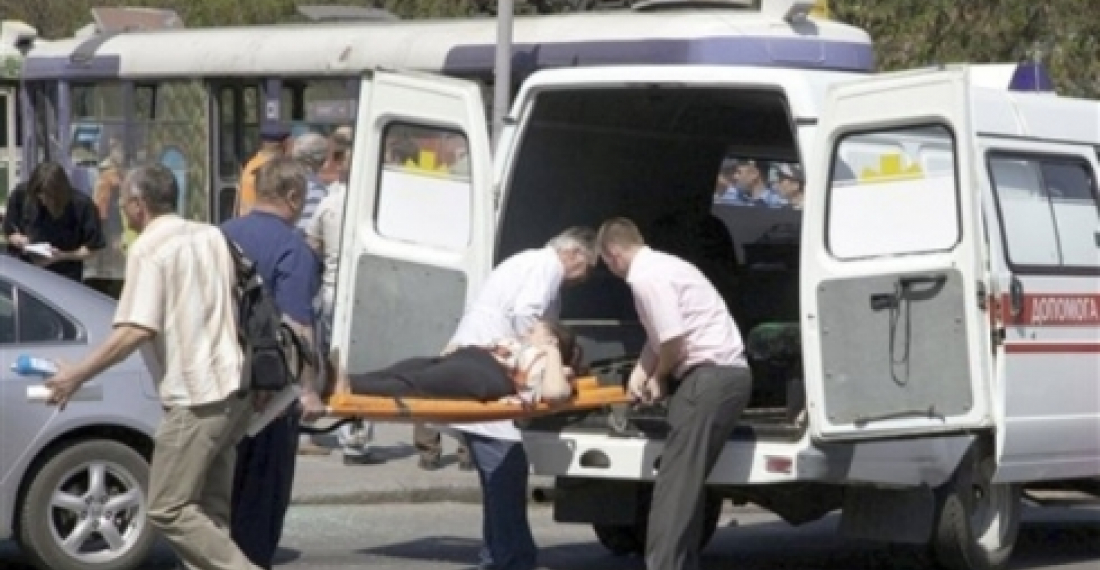
Население Украины до сих пор пытается осознать взрывы, которые потрясли Днепропетровск, город с миллионом жителей, расположенный в 400 километрах юго-восточнее Киева, прозвучавшие вчера во время обеда, оставив после себя десятки раненных людей.

Четыре взрыва, прозвучавшие в полдень, взволновали Днепропетровск, ранив по меньшей мере 29 человек - в том числе девять детей - нападение, которое чиновники правительства охарактеризовали, как акт терроризма. По меньшей мере пять потерпевших, по сообщениям, находятся в тяжелом состоянии после ранения осколками. Сообщении о погибших или арестованных не поступало, так же как и не был установлен мотив.

Нападение произошло на момент, усиливающейся поляризации в политической системе страны, который вызвал слухи о возможных мотивах. Некоторые комментаторы поспешили охарактеризовать это, как террористический акт с политическими мотивами. Однако, другие менее уверены в этом. По данным издания "Киев Пост" один из бывших высокопоставленных должностных лиц в правоохранительных органах выразил сомнения по поводу терроризма. "Это не было похоже на террористический акт, скорее на преступное деяние, вытекающее из экономических споров", сказал Александр Скипальский, бывший глава службы безопасности Украины генерал-лейтенант и экс-глава военной разведки Министерства обороны.

Однако, некоторые украинские политики уже начали обвинять друг друга и внешние силы в этих взрывах, хотя на данный момент никто не взял ответственность за это нападение. Украинские власти попросили поддержки иностранных разведок помочь раскрыть преступления. Российские и польские службы безопасности, как сообщается, уже предложили свою помощь.

Политический редактор Commonspace.eu в комментарии пишет: "Украинским властям нужно действовать быстро, чтобы найти виновных в совершении этих преступлении, чтобы препятствовать спекуляциям, которые могут привести к дальнейшему обострению политической ситуации в стране. Президент Янукович позволил расколу в своем правительстве, и это усугубляется политическими и другими разногласиями в стране. Многие украинцы находят фотографии бедствующей Юлии Тимошенко в тюрьме очень огорчительными и то же самое можно сказать и о международном мнении. Какими бы ни были мотивы преступления в Днепропетровске оно предлагает украинскому народу шанс объединиться перед лицом опасности. Их политики, однако, должны подать пример, демонстрирующий зрелость и мудрость."

Источник: commonspace.eu по материалам Kyiv Post

Фото: Потерпевший в скорой помощи в городе Днепропетровске после четырех взрывов 27 апреля 2012 года (фото любезно предоставлено AP/Kyiv Post)

Related articles

Editor's choice
News
Nikol Pashinyan re-appointed as Armenian prime minister after decisive June election victory

Nikol Pashinyan re-appointed as Armenian prime minister after decisive June election victory

Armenia president, Vahagn Khachaturyan has re-appointed Nikol Pashinyan as Armenian prime minister, after the decisive victory of his Civil Contract party in parliamentary elections in June. During a ceremony at the Presidential Palace in Yerevan, President Khachaturyan signed a decree on the appointment of Nikol Pashinyan as Prime Minister of the Republic. President Vahagn Khachaturyan said in short remarks: It is a great honor for me to sign a decree on appointing you to the post of Prime Minister of the Republic of Armenia, for which I received a proposal from the political majority in the National Assembly, under Article 149 of the Constitution of the Republic of Armenia. I sincerely congratulate you, I wish you great patience, endurance, and determination to lead us in these difficult times, to lead the country to the future, a prosperous future. Nikol Pashinyan thanked the president and added,  I must say honestly that in 2018, when I assumed the post of Prime Minister of the Republic of Armenia as a result of the People's, non-violent, velvet revolution, it would have been difficult to predict that we would go down such a path and I think it would have been difficult to predict that we would be able to overcome this path. But we are where we are, and I think that the key role and significance in all this is unequivocally and undoubtedly the people of the Republic of Armenia, who, after all, have demonstrated special expressions of state consciousness and state-centeredness throughout this period. And of course, this is a great obligation and commitment. Of course, the Government will be formed in the near future and all members of the Government, including me, will already enshrine our obligations to our people in the text of the oath.  In the meantime Ruben Rubinyan has been elected Speaker of the National Assembly of Armenia, following a secret vote of MPs. He is a 36-year-old MP from the ruling Civil Contract party, who was one of the deputy speakers in the previous parliament and, until recently, was the special representative in the negotiations on the normalization of relations with Turkey.

Popular

Editor's choice
Interview
Thursday Interview: Murad Muradov

Thursday Interview: Murad Muradov

Today, commonspace.eu starts a new regular weekly series. THURSDAY INTERVIEW, conducted by Lauri Nikulainen, will host  persons who are thinkers, opinion shapers, and implementors in their countries and spheres. We start the series with an interview with Murad Muradov, a leading person in Azerbaijan's think tank community. He is also the first co-chair of the Action Committee for a new Armenian-Azerbaijani Dialogue. Last September he made history by being the first Azerbaijani civil society activist to visit Armenia after the 44 day war, and the start of the peace process. Speaking about this visit Murad Muradov said: "My experience was largely positive. My negative expectations luckily didn’t play out. The discussions were respectful, the panel format bringing together experts from Armenia, Azerbaijan, and Turkey was particularly valuable during the NATO Rose-Roth Seminar in Yerevan, and media coverage, while varied in tone, remained largely constructive. Some media outlets though attempted to represent me as more of a government mouthpiece than an independent expert, which was totally misleading.  Overall, I see these initiatives as important steps in rebuilding trust and normalising professional engagement. The fact that soon a larger Azerbaijani civil society visits to Armenia followed, reinforces the sense that this process is moving in the right direction." (click the image to read the interview in full)