


Присуждение Нобелевской премии мира ЕС является заслуженным. Независимо от критики, его собственных ошибок и некомпетентности ЕС был силой добра в Европе и в мире.
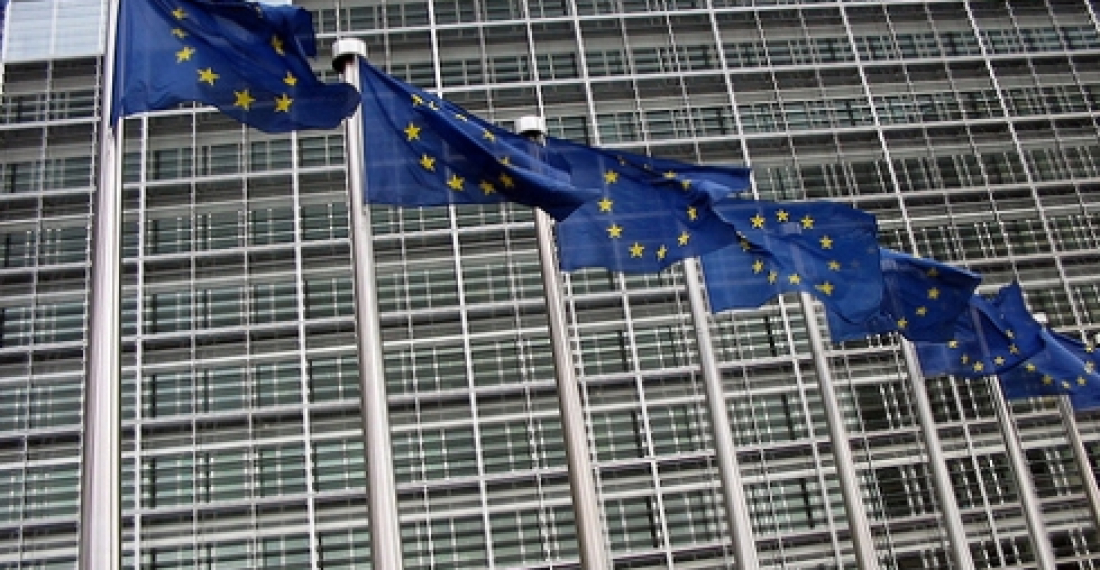

Объявление о том, что Нобелевский комитет присудил в этом году Нобелевскую премию мира Европейскому Союзу стало для многих неожиданностью.

ЕС чаще всего является объектом критики и даже насмешек, и не в последнюю очередь она звучит от некоторых лидеров стран членов ЕС. Многое из этой критики обоснованно. В ЕС слишком мощная бюрократия. Он попирает на мировой арене, как слон, в периоды, когда скорость газели гораздо более уместна. Несмотря на все обещания по более рациональному процессу принятия решений он часто попадает в скандалы между государствами-членами, оставляя всех остальных совершенно разочарованными. Кризис в еврозоне в последние годы также поднял вопросы о самом существовании так называемого «европейского проекта».

Однако, разглядывать только эту сторону ЕС будет неправильно. Союз сыграл важную роль в поддержании мира на европейском континенте. Он помог выбраться миллионам европейским гражданам, проживающим в слаборазвитых районах континента из бедности через свою политику сплоченности и солидарности. Он помог странам Восточной Европы совершить переход от коммунизма после 1989 года. Он также в целом выступал силой добра в мире. ЕС отстаивает права человека, включая свободу слова, отмену смертной казни, ведёт борьбу против пыток, права женщин и геев и другие основные свободы, в первую очередь подавая пример в пределах своих границ, а также путем содействия правам человека во всем мире.

ЕС также был более склонен использовать мягкую силу в своих отношениях с остальным миром, чем военную силу.

Это не идеальный послужной список, но в целом это впечатляющие достижения.

Присуждение Нобелевской премии мира ЕС теперь должно сделать две вещи. Это должно усилить голоса тех, кто хочет, чтобы ЕС был более активным в продвижении прав человека и мирного урегулирования конфликтов. Они должны использовать премию как средство для того, чтобы государства-члены ЕС и его институты отчитывались по их достижениям в этих вопросах. И государства-члены и институты ЕС теперь должны быть на высоте. Накануне очередного раунда переговоров по бюджету средства на эту деятельность не должны быть сокращены.

Это время праздновать успех Европы в таких важных областях, как права человека и мирное урегулирование конфликтов. Это также время развития этих успехов и определение пути продвижения вперед.

Источник: редакционная команда Commonspace.eu

Related articles

Editor's choice
News
Borrell tells the European Parliament that the situation in Afghanistan was critical, but the EU will remain engaged

Borrell tells the European Parliament that the situation in Afghanistan was critical, but the EU will remain engaged

Borrell underlined that the European Union will make every effort to support the peace process and to remain a committed partner to the Afghan people. "Of course, we will have to take into account the evolving situation, but disengagement is not an option.  We are clear on that: there is no alternative to a negotiated political settlement, through inclusive peace talks.
Editor's choice
News
Germany accuses Russia of cyberattacks and disinformation campaign

Germany accuses Russia of cyberattacks and disinformation campaign

The German government holds Russia responsible for a cyberattack on German air traffic control, and for targeted disinformation campaigns before the last federal election. According to the German Foreign Office in Berlin, the incidents could be clearly attributed to the Russian military intelligence service, the GRU. In response, the Russian ambassador to Berlin was summoned to the Foreign Ministry. "We have been observing a massive increase in threatening hybrid activities by Russia for some time now," a spokesperson for the Foreign Ministry stated. These range from disinformation campaigns and espionage to cyberattacks and sabotage attempts. The aim is to divide society, sow distrust, and undermine confidence in democratic institutions. The spokesperson added that with these actions, Russia is "very concretely threatening our security, not only through its war of aggression against Ukraine, but also here in Germany."  The Foreign Ministry spokesperson explained that the cyberattack on air traffic control in August 2024 was clearly attributed to the hacker collective "APT28," known as "Fancy Bear," and to the responsibility of the Russian military intelligence service, the GRU. Furthermore, it could now be "conclusively stated" that Russia had attempted "to influence and destabilize both the last Federal election and the ongoing internal affairs of the Federal Republic of Germany." There was "absolutely irrefutable evidence" for this". The so-called "Storm 1516" campaign, which has been running since 2024, is allegedly backed by "reliable information" that the Moscow-based think tank "Center for Geopolitical Expertise" is behind it. The Center is also said to be supported by Russian military intelligence. Its primary aim is to influence democratic elections in the West. (Click the image to read more).

Popular

Editor's choice
News
Germany accuses Russia of cyberattacks and disinformation campaign

Germany accuses Russia of cyberattacks and disinformation campaign

The German government holds Russia responsible for a cyberattack on German air traffic control, and for targeted disinformation campaigns before the last federal election. According to the German Foreign Office in Berlin, the incidents could be clearly attributed to the Russian military intelligence service, the GRU. In response, the Russian ambassador to Berlin was summoned to the Foreign Ministry. "We have been observing a massive increase in threatening hybrid activities by Russia for some time now," a spokesperson for the Foreign Ministry stated. These range from disinformation campaigns and espionage to cyberattacks and sabotage attempts. The aim is to divide society, sow distrust, and undermine confidence in democratic institutions. The spokesperson added that with these actions, Russia is "very concretely threatening our security, not only through its war of aggression against Ukraine, but also here in Germany."  The Foreign Ministry spokesperson explained that the cyberattack on air traffic control in August 2024 was clearly attributed to the hacker collective "APT28," known as "Fancy Bear," and to the responsibility of the Russian military intelligence service, the GRU. Furthermore, it could now be "conclusively stated" that Russia had attempted "to influence and destabilize both the last Federal election and the ongoing internal affairs of the Federal Republic of Germany." There was "absolutely irrefutable evidence" for this". The so-called "Storm 1516" campaign, which has been running since 2024, is allegedly backed by "reliable information" that the Moscow-based think tank "Center for Geopolitical Expertise" is behind it. The Center is also said to be supported by Russian military intelligence. Its primary aim is to influence democratic elections in the West. (Click the image to read more).


