


Параллельные миры Азербайджана. Часть 2: Неудачи. Отказ от реформ оставило большую часть азербайджанской системы власти на якоре в советском прошлом.

Во второй части обзора по Азербайджану LINKS Анализ утверждает, что невыполнение политических реформ оставило большую часть азербайджанской системы власти на якоре в советском прошлом, и это грозит реальным достижениям страны в других областях.

Вскоре после того, как он был приведен к присяге в качестве президента Азербайджана в октябре 2003 года, Ильхам Алиев сделал ряд выступлений внутри страны и за ее пределами, в которых он четко заявил, что его приоритетом является экономическое и социальное развитие, и политическим реформам придется подождать. Этим выступлениям не было уделено большое внимание со стороны международного сообщества.

Президент в общем и целом был верен своему слову. Результатом является то, что сегодня в Азербайджане нет никаких здержек и противовесов власти. Действительно многие системы власти в Азербайджане остаются на якоре в своем советском прошлом. Эта ситуация грозит реальным достижениям страны в других сферах.

Выборы, которые привели Ильхама Алиева к власти в 2003 году, были последними, в которых отдаленно наблюдалась  конкуренция. Далее последовавшие президентские и парламентские выборы, испытывали недостаток по многим моментом по мнению международных наблюдателей, и вряд ли были конкурентоспособными. Ни одна из сторон, которых можно квалифицировать, как оппозицию не представлены ??в парламенте.

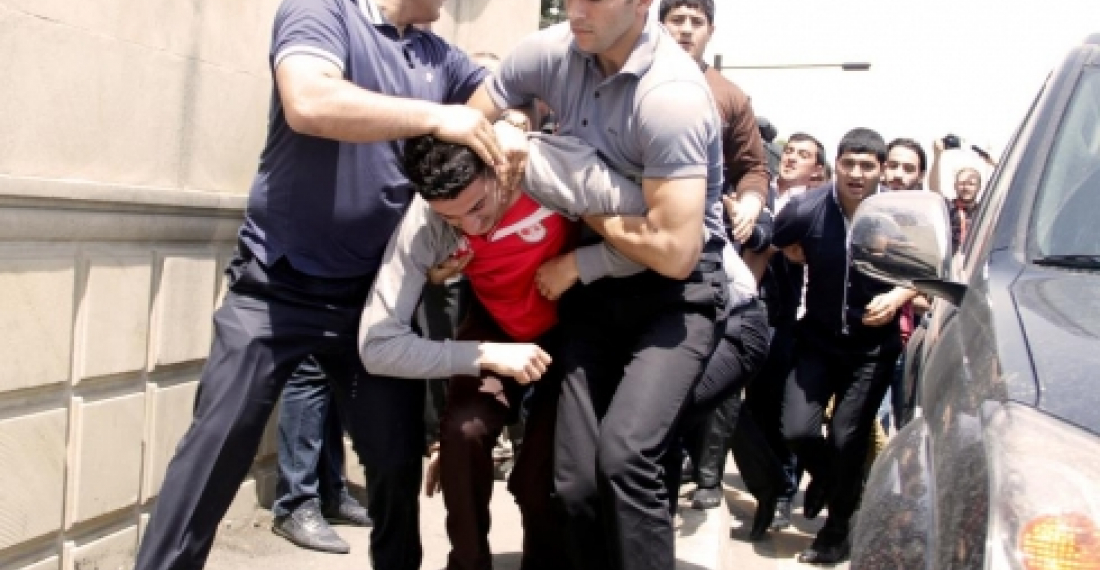
Политическое пространство, которое оставалось для оппозиции тем временем существенно сузилось. Правительство использовало, как кнут, так и пряник. Многие деятели оппозиции в предыдущее десятилетие получили возможность перейти на сторону правительства и были награждены назначениями и поощрениями, и им даже позволили сохранить отдельную политическую идентичность, которая отличает их от правящей партии. Их пространство для политической деятельности, однако, было очень ограничено.

Кроме того, у правительства полная монополию на радио- и телевещание, печатные СМИ постоянно преследуются через различные формы давления.

Это монополия на власть создала условия для процветания коррупции, и вместе с приростом нефтяного богатства увеличились так же обвинения в том, что правящие круги обогатились за счет народа.

В течение некоторого времени мало кто за пределами Азербайджана беспокоился об этом. Но ситуация изменилась. Первая большая ошибка правительства заключалась в попытке подавить небольшую, но голосистую группу образованных на западе активистов, которые использовали относительную свободу в интернете, чтобы бросить вызов монополии власти на информацию.Тактика против них ничем не отличалась от ранее применённых на более традиционных активистах оппозиции. Разница в том, что новые цели власти имели уже хорошую сеть на международном уровне, и вдруг ситуация с правами человека в Азербайджане стала предметом озабоченности широкого круга западных журналистов и интеллектуалов. Это также совпало с победой Азербайджана на Евровидении в 2011 году, и последующим решением провести Евровидение-2012 в Баку. Внимание средств массовой информации, которое приковано к этому крупнейшему культурному событию в мире было, с одной стороны, тем, что сделало этот фестиваль привлекательным для азербайджанского правительства. Но его попытки управлять информационным потоком с треском провалились, так как многие СМИ взяли в фокус настроенных по-боевому азербайджанских активистов.

Азербайджанские власти дали понять, что это была клеветническая кампания организованная армянским лобби в Европе и США. Однако, маловероятно, что это правда.

Размах и ярость критики застало в врасплох азербайджанское правительство. Он привык иметь дело с внешней критикой один на один, но, похоже, что власть не имеет стратегии борьбы с массивным натиском.

Он надеется, что когда огни Евровидения погаснут, внимание всего мира на эту страну исчезнет вместе с ними.

Тем не менее  две вещи изменились, и их влияние будет ощущаться еще долго после того, как конкурсанты Евровидения покинут Баку. Во-первых, небольшая, но решительная группа обоснованной критики правительства решила, что страх это не вариант, и что они продолжат привлекать внимание власти и дальше. Во-вторых, эти и другие критикующие правительство, решили бросить вызов такому ее важному рассказу - что каким-то образом свобода и независимость должны подождать, пока Азербайджан не освободит Карабах и остальную часть территории, которую он потерял в конфликте с Арменией. Действительно открытая критика неспособности правительства Азербайджана освободить утраченные территории в настоящее время становится одной из линий атак, критикующих правительство.

Существует также возможность того, что международная реакция на ситуацию в Азербайджане также может обостриться. Жестко сформулированная резолюция, критикующая Азербайджан за права человека, вчера прошла в Европейском парламенте (24 мая 2012 года). Помимо обычных осуждении, резолюция в первый раз говорит о целенаправленных санкциях против тех в правительстве Азербайджана, которые совершают нарушения против прав человека.


Завтра: Часть 3: Будущее. В третьей, заключительной части этого обзора LINKS Анализ рассматривает возможности, доступные правительству Азербайджана после окончания фестиваля Евровидение. С первой частью: "ПАРАЛЛЕЛЬНЫЕ МИРЫ АЗЕРБАЙДЖАНА: ЧАСТЬ 1: УСПЕХИ" можно ознакомиться здесь.

Источник: LINKS Анализ

Фото: Полиция разгоняет протест молодежи в Баку 24 мая 2012 во время Евровидения (фото любезно предоставлено Мехманом Гусейновым).

Related articles

Editor's choice
News
Council of Europe launches new International Claims Commission for Ukraine

Council of Europe launches new International Claims Commission for Ukraine

Thirty-four countries and the European Union have signed a new convention establishing an International Claims Commission for Ukraine at a diplomatic conference co-hosted by the 46-nation Council of Europe and the Netherlands in the Hague. The diplomatic conference was attended by leaders and high-level representatives from over 50 states, including the President of Ukraine, Volodymyr Zelenskyy, the President of the Republic of Moldova, Maia Sandu, and the Prime Minister of the Netherlands, Dick Schoof.  “Today marks a major step forward in ensuring accountability for Ukraine. The International Claims Commission represents justice and hope for tens of thousands of victims—our determination that those who have suffered will not be forgotten. I call for quick ratifications so we can get the commission rapidly up and running for the people of Ukraine,” said Council of Europe Secretary General Alain Berset. Ukrainian President Volodymyr Zelenskyy said: “We expect that every mechanism for compensation from the Register of Damage and Claims Commission to the actual payments – will start working and receive strong and sufficient international support, so that people can truly feel that any kind of damage caused by the war can be compensated. This war, and Russia’s responsibility for it, MUST become a clear example – so that others learn not to choose aggression.” “Accountability is about creating the conditions for peace that endures. And therefore, accountability is a condition of security – today and for the future. But accountability is not only about Ukraine. And it is not only about one aggressor and one victim. Accountability is about Europe. About every country in Europe. It is about whether Europe, as a whole, is willing to defend its peace,” said Maia Sandu, President of the Republic of Moldova, which currently holds the Presidency of the Council of Europe’s Committee of Ministers. The Prime Minister of the Netherlands, Dick Schoof, said: “Every day Russia is deliberately bombarding homes, destroying businesses and damaging infrastructure in Ukraine. Russia must compensate Ukraine for the damage caused. That is why we have launched the International Claims Commission for Ukraine and we are honoured to host it.” The International Claims Commission will be the second part of a comprehensive compensation mechanism related to Russia’s war of aggression, building on the existing Register of Damage for Ukraine. The claims commission will be established within the framework of the Council of Europe and will also be open to other countries. The Register of Damage for Ukraine, created in 2023, collects and records compensation claims submitted by individuals, organisations and public bodies in Ukraine. Forty-four states and the European Union have so far joined the Register, which has already received 86,000 claims. The International Claims Commission will review, assess and decide upon claims submitted to the Register of Damage for Ukraine and determine the amount of compensation, if any, which is due in each case. The convention establishing the commission will enter into force once it has been ratified by 25 signatories, as long as sufficient funds have been secured to support its initial work.

Popular

Editor's choice
News
Council of Europe launches new International Claims Commission for Ukraine

Council of Europe launches new International Claims Commission for Ukraine

Thirty-four countries and the European Union have signed a new convention establishing an International Claims Commission for Ukraine at a diplomatic conference co-hosted by the 46-nation Council of Europe and the Netherlands in the Hague. The diplomatic conference was attended by leaders and high-level representatives from over 50 states, including the President of Ukraine, Volodymyr Zelenskyy, the President of the Republic of Moldova, Maia Sandu, and the Prime Minister of the Netherlands, Dick Schoof.  “Today marks a major step forward in ensuring accountability for Ukraine. The International Claims Commission represents justice and hope for tens of thousands of victims—our determination that those who have suffered will not be forgotten. I call for quick ratifications so we can get the commission rapidly up and running for the people of Ukraine,” said Council of Europe Secretary General Alain Berset. Ukrainian President Volodymyr Zelenskyy said: “We expect that every mechanism for compensation from the Register of Damage and Claims Commission to the actual payments – will start working and receive strong and sufficient international support, so that people can truly feel that any kind of damage caused by the war can be compensated. This war, and Russia’s responsibility for it, MUST become a clear example – so that others learn not to choose aggression.” “Accountability is about creating the conditions for peace that endures. And therefore, accountability is a condition of security – today and for the future. But accountability is not only about Ukraine. And it is not only about one aggressor and one victim. Accountability is about Europe. About every country in Europe. It is about whether Europe, as a whole, is willing to defend its peace,” said Maia Sandu, President of the Republic of Moldova, which currently holds the Presidency of the Council of Europe’s Committee of Ministers. The Prime Minister of the Netherlands, Dick Schoof, said: “Every day Russia is deliberately bombarding homes, destroying businesses and damaging infrastructure in Ukraine. Russia must compensate Ukraine for the damage caused. That is why we have launched the International Claims Commission for Ukraine and we are honoured to host it.” The International Claims Commission will be the second part of a comprehensive compensation mechanism related to Russia’s war of aggression, building on the existing Register of Damage for Ukraine. The claims commission will be established within the framework of the Council of Europe and will also be open to other countries. The Register of Damage for Ukraine, created in 2023, collects and records compensation claims submitted by individuals, organisations and public bodies in Ukraine. Forty-four states and the European Union have so far joined the Register, which has already received 86,000 claims. The International Claims Commission will review, assess and decide upon claims submitted to the Register of Damage for Ukraine and determine the amount of compensation, if any, which is due in each case. The convention establishing the commission will enter into force once it has been ratified by 25 signatories, as long as sufficient funds have been secured to support its initial work.


