


Мовсес Акопян в будущем намерен путешествовать только на самолетах.
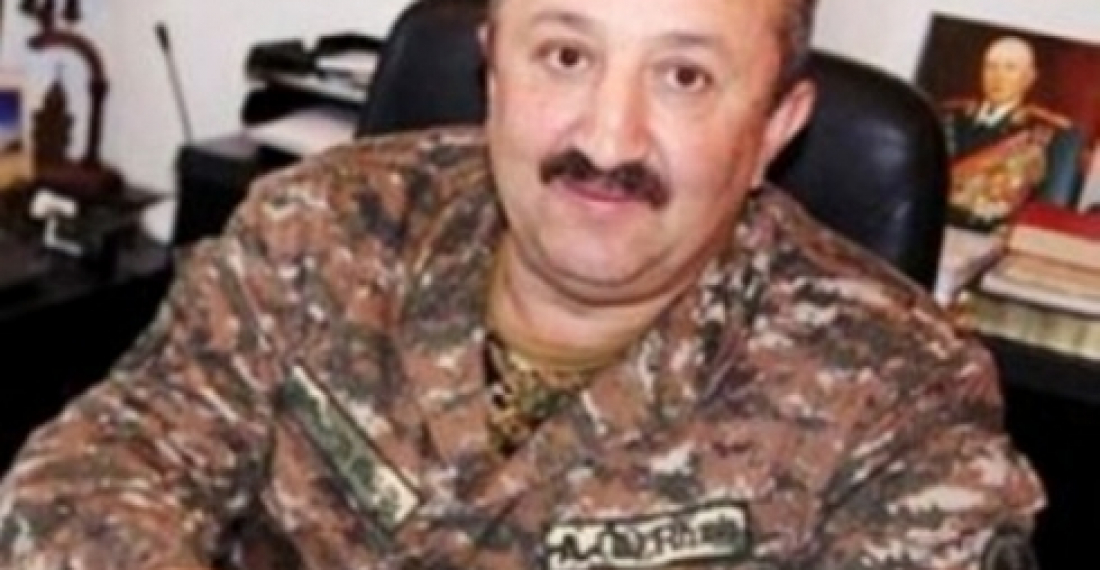
Вопрос о скором открытии Степанакертского аэропорта в Нагорном Карабахе по-прежнему остается предметом спекуляций среди чиновников по обе стороны конфликта. Министр обороны самопровозглашенной Нагорно-Карабахской Республики, Мовсес Акопян, заявил, что после начала функционирования аэропорта для отбытия в Ереван он будет пользоваться только авиарейсами. Акопян заявил, что угрозы сбивать самолеты "не подобает серьезным людям". Он сказал, что только в этом году карабахскими силами ПВО были "сопровождены" на территории Азербайджана 2226 самолетов. По сообщениям News.am Акопян заявил, что Азербайджан не посмеет реализовать свои угрозы о сбитие самолетов, выполняющие рейсы в и из Степанакерта, и, что "у нас есть возможность сделать то же самое, и поразить направляющиеся в Баку воздушные суда".

Наблюдатели готовятся к открытию аэропорта, который готов к функционированию. Со стороны международного сообщества были приняты усилия, чтобы застраховаться, что обе стороны держат этот вопрос в пределах границ, и найти способ обеспечить, чтобы любые чрезвычайные ситуации рассматривались на техническом уровне. Несмотря на военный конфликт ранее были приняты меры по сотрудничеству между ведомствами гражданской авиации обеих стран для того, чтобы избежать несчастных случаев.

Политический редактор Commonspace.eu сообщает, что "усилия, принятые для того, чтобы попытаться открыть аэропорт на взаимосогласованных условиях, кажется очень далеки от реальности, учитывая нынешний климат в мирных переговорах. Но обе стороны, несмотря на риторику, заинтересованы в предотвращении инцидентов, которые могут стоить человеческих жизней и в результате серьезной международной реакции. Азербайджан ранее грозился, что будет сбивать самолеты, выполняющие рейсы в и из Степанакерта, но позже последовал отказ от этих заявлении от более старших должностных лиц и Азербайджан в настоящее время сосредоточился на политических аспектах данного вопроса, в том числе поднятием этого вопроса в Организации Объединенных Наций".

Источник: commonspace.eu

Фото: Мовсес Акопян (фото из архива)

Related articles

Editor's choice
News
Azerbaijan-Armenia Internet Transit Deal Marks New Step in Regional Connectivity

Azerbaijan-Armenia Internet Transit Deal Marks New Step in Regional Connectivity

Azerbaijan and Armenia have signed an agreement allowing the mutual transit of international internet traffic, creating a direct telecommunications link between the two countries for the first time since the collapse of the Soviet Union. The deal, announced on 17 June by AzerTelecom and Telecom Armenia, is intended to improve route diversity and network resilience in the South Caucasus. The development follows a gradual process of normalisation of relations between Baku and Yerevan. Notably, Azerbaijan has repeatedly identified the restoration of transport and communication links as a key component of a future peace settlement. Since the initialling of a peace agreement during a summit in Washington in August 2025, the two sides have taken several important steps, including progress on border delimitation and the easing of certain transit restrictions. The telecommunications agreement is also significant because it was negotiated by private operators rather than government officials. Industry observers note that commercial infrastructure projects can create long-term economic ties and mutual dependencies that are more difficult to reverse than political declarations.

Popular

Editor's choice
Interview
Thursday Interview: Murad Muradov

Thursday Interview: Murad Muradov

Today, commonspace.eu starts a new regular weekly series. THURSDAY INTERVIEW, conducted by Lauri Nikulainen, will host  persons who are thinkers, opinion shapers, and implementors in their countries and spheres. We start the series with an interview with Murad Muradov, a leading person in Azerbaijan's think tank community. He is also the first co-chair of the Action Committee for a new Armenian-Azerbaijani Dialogue. Last September he made history by being the first Azerbaijani civil society activist to visit Armenia after the 44 day war, and the start of the peace process. Speaking about this visit Murad Muradov said: "My experience was largely positive. My negative expectations luckily didn’t play out. The discussions were respectful, the panel format bringing together experts from Armenia, Azerbaijan, and Turkey was particularly valuable during the NATO Rose-Roth Seminar in Yerevan, and media coverage, while varied in tone, remained largely constructive. Some media outlets though attempted to represent me as more of a government mouthpiece than an independent expert, which was totally misleading.  Overall, I see these initiatives as important steps in rebuilding trust and normalising professional engagement. The fact that soon a larger Azerbaijani civil society visits to Armenia followed, reinforces the sense that this process is moving in the right direction." (click the image to read the interview in full)



