


ЕС и Украина парафировали соглашение в 1000 страниц после 5 лет переговоров. Он ляжет в основу их будущего сотрудничества.
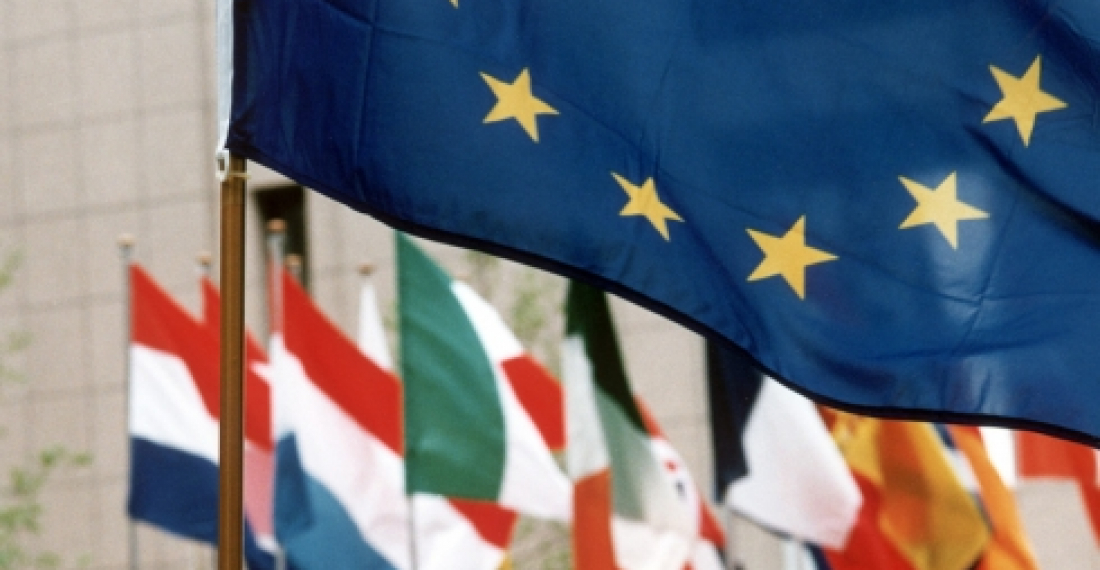

Европейский Союз и Украина парафировали ориентир в отношениях между собой в виде Соглашения об ассоциации в пятницу, в Брюсселе, после пяти лет переговоров, сообщает украинский МИД. Соглашение, направленное на создание политической ассоциации и экономической интеграции между Европейским Союзом и Украиной, должно заменить Соглашение от 1998 года о партнерстве и сотрудничестве, став основой для двусторонних отношений.

Документ в более 1000 страниц подписали заместитель министра иностранных дел Украины, Павел Климкин, и исполнительный директор Европейской службы внешних действий по России, Восточному соседству и Западным Балканам, Мирослав Лайчак.

Парафирование международного соглашения является техническим шагом до официального подписания, и пока неясно, когда документ будет подписан официально. Соглашение вряд ли будет подписано до украинских парламентских выборов в октябре. Судебный процесс и последующие семь лет тюремного заключения бывшего премьер-министра Юлии Тимошенко, которое Европа считает политически мотивированным, также стало препятствием для подписания документа. Украинский министр иностранных дел Константин Грищенко заявил, что ожидает подписания "в течение периода от шести до двенадцати месяцев".

Политический редактор Commonspace.eu сообщает в своем комментарии: "Парафирование Соглашения об ассоциации между Украиной и ЕС является кульминационной точкой в отношениях между двумя сторонами, и будет в значительной степени способствовать стремлению Украины играть более полную роль в европейских делах. Соглашение также добавит значимости к инициативе Восточного партнерства ЕС. Всё ещё остаются некоторые политические препятствия, прежде чем соглашение вступит в силу, но вчерашние события стали важным шагом. ЕС в последнее время также начала процесс переговоров аналогичных соглашений об ассоциации с Арменией, Азербайджаном и Грузией. Соглашение с Украиной, как ожидается, также придаст новый импульс этому процессу."

Источник: commonspace.eu по материалам РИА Новости

Related articles

Editor's choice
News
The British prime minister says Europe must "stand on its own two feet" when it comes to defence

The British prime minister says Europe must "stand on its own two feet" when it comes to defence

The UK will deploy a carrier strike group, led by the aircraft carrier HMS Prince of Wales to the Arctic and the High North as part of efforts to bolster security against Russian threats. British prime minister, Sir Keir Starmer announced the deployment in a speech on Saturday (14 February) at the Munich Security Conference. Europe must be ready to fight to protect its people, values, and way of life,  Sir Keir told the Conference. Starmer also called for deeper links and cooperation, including economic ties, between the UK and EU. The PM stressed the continent must "stand on its own two feet" when it comes to defence commitments. "We must build our hard power, because that is the currency of the age," he told the conference. (Click image to read the full story).

Popular

Editor's choice
Interview
Thursday Interview: Murad Muradov

Thursday Interview: Murad Muradov

Today, commonspace.eu starts a new regular weekly series. THURSDAY INTERVIEW, conducted by Lauri Nikulainen, will host  persons who are thinkers, opinion shapers, and implementors in their countries and spheres. We start the series with an interview with Murad Muradov, a leading person in Azerbaijan's think tank community. He is also the first co-chair of the Action Committee for a new Armenian-Azerbaijani Dialogue. Last September he made history by being the first Azerbaijani civil society activist to visit Armenia after the 44 day war, and the start of the peace process. Speaking about this visit Murad Muradov said: "My experience was largely positive. My negative expectations luckily didn’t play out. The discussions were respectful, the panel format bringing together experts from Armenia, Azerbaijan, and Turkey was particularly valuable during the NATO Rose-Roth Seminar in Yerevan, and media coverage, while varied in tone, remained largely constructive. Some media outlets though attempted to represent me as more of a government mouthpiece than an independent expert, which was totally misleading.  Overall, I see these initiatives as important steps in rebuilding trust and normalising professional engagement. The fact that soon a larger Azerbaijani civil society visits to Armenia followed, reinforces the sense that this process is moving in the right direction." (click the image to read the interview in full)


