


ЕС и Азербайджан подпишут соглашение об упрощении визового режима. Заместитель министра иностранных дел Азербайджана Махмуд Мамед-Гулиев заявил, что за этим соглашением может последовать полная отмена виз.
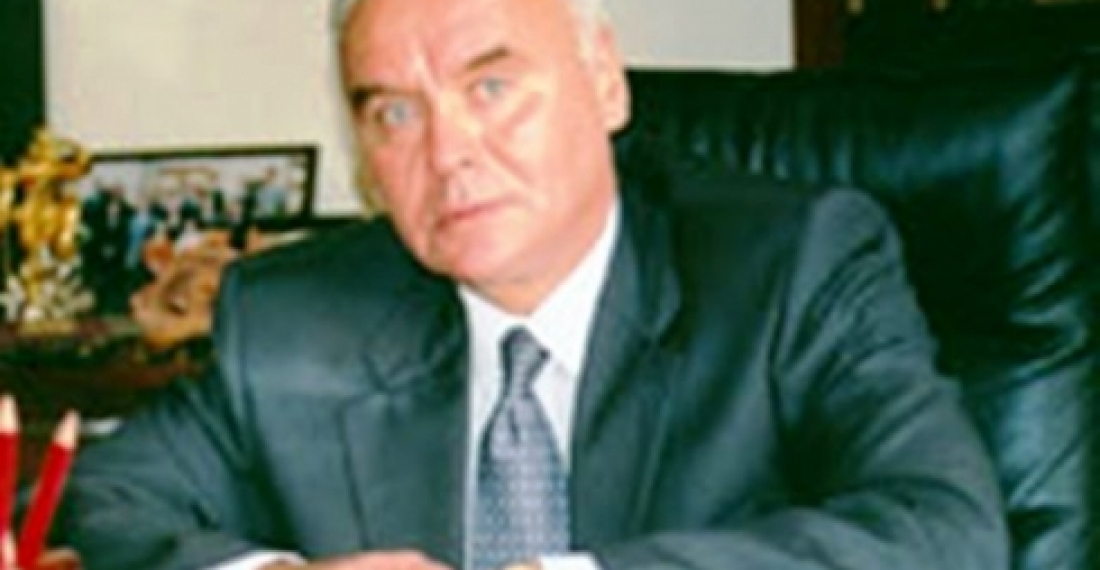

Европейский Союз и Азербайджан подпишут соглашение об упрощении визового режима на саммите Восточного партнерства в Вильнюсе, в ноябре. Заместитель министра иностранных дел Азербайджана Махмуд Мамедгулиев сообщил агентству Trend News в понедельник, что следующим шагом может стать полная отмена визового режима.

По словам Мамедгулиева, упрощенный режим начнет применяться сразу после подписания и вступления соглашения в силу.

"За подписанием последуют процедуры ратификации, в том числе в Милли Меджлисе (парламенте) Азербайджана и Европарламенте. Кроме того, необходимо подписать двусторонние соглашения с теми странами, которые входят в Шенгенскую зону, но не являются членами ЕС [Норвегия, Швейцария, Исландия, Лихтенштейн]. При этом нет необходимости в подписании отдельных соглашений со странами-членами ЕС", - сказал Мамедгулиев.

По словам замминистра, Азербайджан и ЕС уже согласовали категории лиц, на которых будет распространяться действие данного соглашения.

"Соглашение охватит достаточно обширный список лиц: это, в первую очередь, граждане, выезжающие по линии образования и бизнеса. В принципе, документ распространяется на достаточно широкий круг граждан. Если реализация соглашения между Азербайджаном и Евросоюзом будет идти нормально, то за этим последует полнейшая либерализации наших визовых отношений, то есть вторым этапом будет отмена визового режима", - сказал Мамедгулиев.

Соглашение об упрощении визового режима для граждан Азербайджана предусматривает сокращение списка документов, подаваемых с заявлением о выдаче визы, возможность выдачи многократных виз с большим сроком действия, снижение стоимости визы для особой категории лиц, установление сроков для обработки визового заявления.

Соглашение о реадмиссии в свою очередь позволит выработать механизм возвращения на родину лиц, проживающих на территории стран Евросоюза и Азербайджана без соответствующего разрешения.

Источник: commonspace.eu и Trend News Agency

фото: заместитель министра иностранных дел Азербайджана Махмуд Мамедгулиев (Фото любезно предоставлено Министерством иностранных дел Азербайджана).

Related articles

Editor's choice
News
The British prime minister says Europe must "stand on its own two feet" when it comes to defence

The British prime minister says Europe must "stand on its own two feet" when it comes to defence

The UK will deploy a carrier strike group, led by the aircraft carrier HMS Prince of Wales to the Arctic and the High North as part of efforts to bolster security against Russian threats. British prime minister, Sir Keir Starmer announced the deployment in a speech on Saturday (14 February) at the Munich Security Conference. Europe must be ready to fight to protect its people, values, and way of life,  Sir Keir told the Conference. Starmer also called for deeper links and cooperation, including economic ties, between the UK and EU. The PM stressed the continent must "stand on its own two feet" when it comes to defence commitments. "We must build our hard power, because that is the currency of the age," he told the conference. (Click image to read the full story).

Popular

Editor's choice
Interview
Thursday Interview: Murad Muradov

Thursday Interview: Murad Muradov

Today, commonspace.eu starts a new regular weekly series. THURSDAY INTERVIEW, conducted by Lauri Nikulainen, will host  persons who are thinkers, opinion shapers, and implementors in their countries and spheres. We start the series with an interview with Murad Muradov, a leading person in Azerbaijan's think tank community. He is also the first co-chair of the Action Committee for a new Armenian-Azerbaijani Dialogue. Last September he made history by being the first Azerbaijani civil society activist to visit Armenia after the 44 day war, and the start of the peace process. Speaking about this visit Murad Muradov said: "My experience was largely positive. My negative expectations luckily didn’t play out. The discussions were respectful, the panel format bringing together experts from Armenia, Azerbaijan, and Turkey was particularly valuable during the NATO Rose-Roth Seminar in Yerevan, and media coverage, while varied in tone, remained largely constructive. Some media outlets though attempted to represent me as more of a government mouthpiece than an independent expert, which was totally misleading.  Overall, I see these initiatives as important steps in rebuilding trust and normalising professional engagement. The fact that soon a larger Azerbaijani civil society visits to Armenia followed, reinforces the sense that this process is moving in the right direction." (click the image to read the interview in full)


