


Даже "обычный Минкс" сейчас невозможен. Сопредседатели Минского процесса ОБСЕ "выражают свою обеспокоенность по поводу отсутствия ощутимого прогресса за последние месяцы".
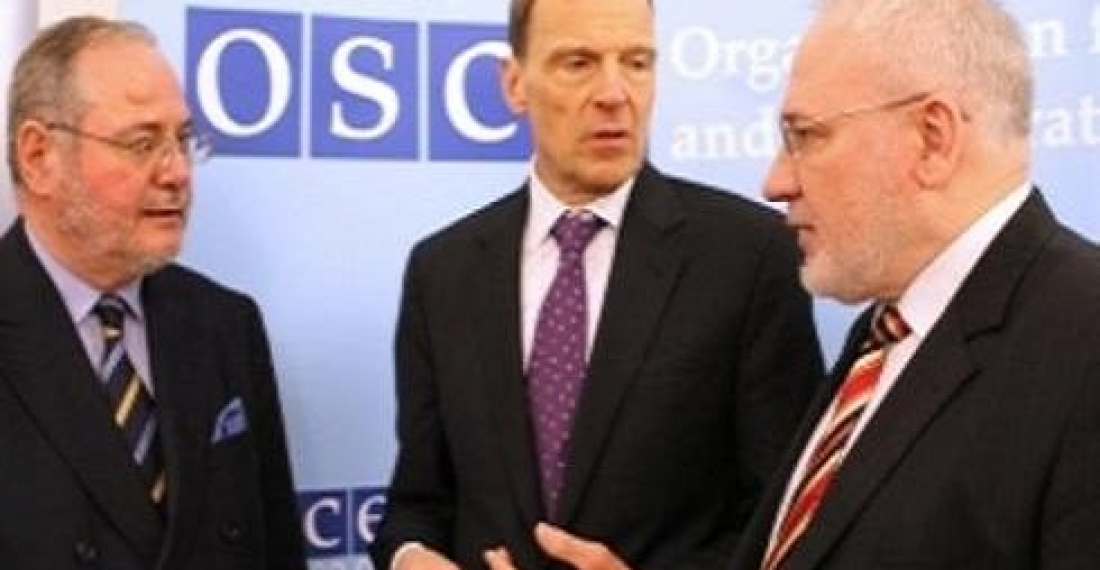

Сопредседатели Минской группы ОБСЕ 26 сентября встретились с министром иностранных дел Армении, Эдвардом Налбандяном, а 27 сентября с министром иностранных дел Азербайджана, Эльмаром Мамедъяровым. Встречи проходили в Нью-Йорке на полях сессии Генеральной Ассамблеи ООН.

Как сообщалось ранее на сайте Сommonspace.eu, госсекретарь США, Хиллари Клинтон, и министр иностранных дел России, Сергей Лавров, ранее в этом месяце обсуждали возможность встречи между Арменией и Азербайджаном в минском формате, с возможным участием министров иностранных дел трех стран-сопредседателей, хотя никакого прорыва не было предусмотрено. Однако, даже организовать "обычный Минск" стало невозможным в сложившейся ситуации и сопредседателям пришлось довольствоваться отдельными двусторонними встречами с Мамедъяровым и Эдвардом Налбандяном.

В заявлении ОБСЕ говорится, что "в отдельных встречах с министрами, сопредседатели обсудили последние события в регионе и продолжили призывать стороны вернуться к сути нагорно-карабахского конфликта. Сопредседатели выразили озабоченность по поводу отсутствия ощутимого прогресса за последние месяцы. Министры вновь заявили о своей поддержке мирного решения, и их готовности к продолжению переговоров".

Политический редактор Commonspace.eu в комментарии сообщает, что это, вероятно, худший момент в мирных переговорах на протяжении более чем последних десяти лет, и даже есть шансы того, что ситуация может ухудшиться, прежде чем она станет лучше, рассматривая со сторонами инициативы, которые сделают переговоры еще сложнее. Однако, давление на посредников увеличивается с тем, чтобы найти новые пути, которые смогут продвинуть переговоры  вперед.

Источник: commonspace.eu

Фото: Сопредседатели Минской группы ОБСЕ, послы Роберт Брадтке от Соединенных Штатов Америки (в центре), Игорь Попов от России (слева), и Жак Фор от Франции (справа) (фото из архива ОБСЕ).

Related articles

Editor's choice
News
Aden under curfew, as problem in Yemen's south deepens

Aden under curfew, as problem in Yemen's south deepens

The port city of Aden, in Yemen's south, has been put under curfew, as the rift in the country between  the Saudi led coalition which  backs Yemen's presidential governing council, and the southern forces led by the Southern Transitional Council (STC), deepens. Abdul Rahman al-Mahrami, a member of the Yemeni Presidential Governing Council and commander of the al-Amalik brigades, has ordered a curfew in the temporary capital, Aden, "to maintain security". "A curfew has been imposed throughout Aden Governorate from 9:00 p.m. to 6:00 a.m., in accordance with the instructions of Commander Abdul Rahman al-Mahrami, a member of the Presidential Management Council," the statement said. It states that only security and military personnel, as well as medical and technical teams with approved permits, will be allowed to move in the area during these hours. Yemen's presidential council, which is backed by Saudi Arabia and which already is in a struggle with the Houthi Movement in the north of the country who also occupy the capital Sanaa, two days ago issued an order for the arrest of the head of the Southern Transitional Council (STC),, Aidarous al Zubaidi. The STC have wide support among people in the South, and advocate that South Yemen restores its independence. The coalition warned of further escalation in Aden, long regarded as an STC stronghold, as the Presidential Leadership Council (PLC) chief accused STC leader Aidarous Al Zubaidi of “high treason” and announced the revocation of his membership in the governing body. The moves mark a sharp escalation in tensions within the anti-Houthi camp, despite National Shield Forces, rivals of the STC and former allies, having recently retaken control of Hadhramaut and Mahra from southern fighters. The STC’s takeover of the two regions last month angered Saudi Arabia and contributed to igniting the current internal conflict. (click the picture to read more)

Popular

Editor's choice
News
Aden under curfew, as problem in Yemen's south deepens

Aden under curfew, as problem in Yemen's south deepens

The port city of Aden, in Yemen's south, has been put under curfew, as the rift in the country between  the Saudi led coalition which  backs Yemen's presidential governing council, and the southern forces led by the Southern Transitional Council (STC), deepens. Abdul Rahman al-Mahrami, a member of the Yemeni Presidential Governing Council and commander of the al-Amalik brigades, has ordered a curfew in the temporary capital, Aden, "to maintain security". "A curfew has been imposed throughout Aden Governorate from 9:00 p.m. to 6:00 a.m., in accordance with the instructions of Commander Abdul Rahman al-Mahrami, a member of the Presidential Management Council," the statement said. It states that only security and military personnel, as well as medical and technical teams with approved permits, will be allowed to move in the area during these hours. Yemen's presidential council, which is backed by Saudi Arabia and which already is in a struggle with the Houthi Movement in the north of the country who also occupy the capital Sanaa, two days ago issued an order for the arrest of the head of the Southern Transitional Council (STC),, Aidarous al Zubaidi. The STC have wide support among people in the South, and advocate that South Yemen restores its independence. The coalition warned of further escalation in Aden, long regarded as an STC stronghold, as the Presidential Leadership Council (PLC) chief accused STC leader Aidarous Al Zubaidi of “high treason” and announced the revocation of his membership in the governing body. The moves mark a sharp escalation in tensions within the anti-Houthi camp, despite National Shield Forces, rivals of the STC and former allies, having recently retaken control of Hadhramaut and Mahra from southern fighters. The STC’s takeover of the two regions last month angered Saudi Arabia and contributed to igniting the current internal conflict. (click the picture to read more)


