


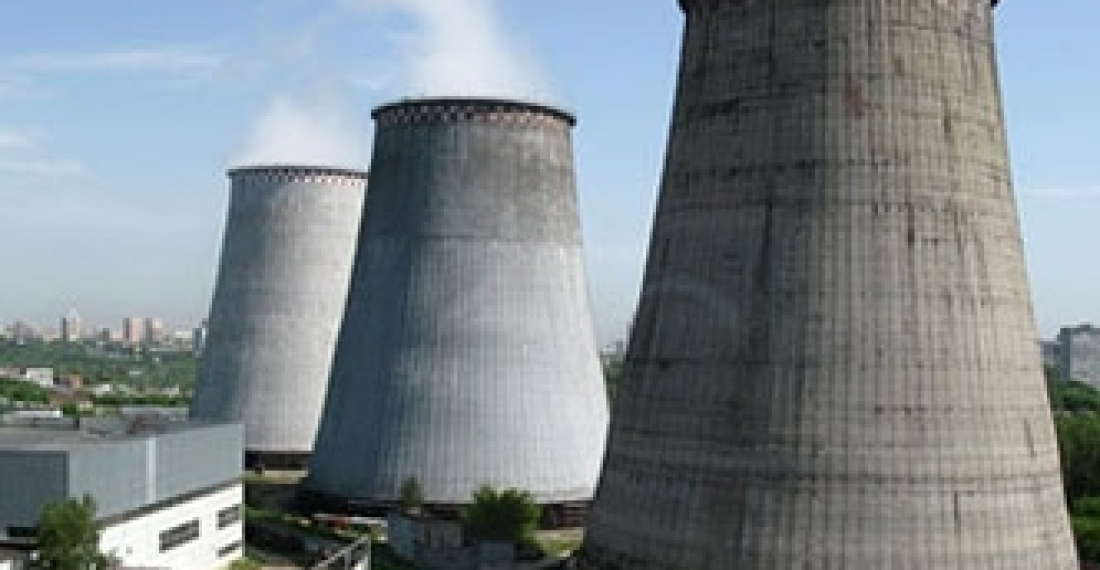
Армения может претендовать на средства Евросоюза для укрепления безопасности АЭС

Ежегодно из бюджета Европейского Союза выделяется около $70 млн., которые идут на укрепление безопасности АЭС вне пределов ЕС, и теоретически Армения может претендовать на часть этих средств для проведения переоценки безопасности и укрепления станции. Об этом корреспонденту АрмИнфо заявила пресс-секретарь Еврокомиссара по энергетике Марлена Хольцнер (Marlene Holzner).

"Но для этого, власти страны должны направить соответствующий запрос, чего они пока не сделали", - заявила сотрудница Еврокомиссии.

27 июня Армения, Белоруссия, Россия, Украина, Хорватия, Турция и Швейцария подписали декларацию, предусматривающую проведение стресс-тестов на всех существующих в этих странах АЭС по методологии ЕС.

"Мы разработали критерий переоценки безопасности действующих АЭС после аварии на японской АЭС <Фукусима-1>. Поэтому странам, подписавшим декларацию, придется произвести тест на устойчивость к землетрясению и другим природным катастрофам, которые случаются в регионе. Необходимо будет проверить, смогут ли существующие АЭС выдержать стихийные бедствия. Разумеется, не везде существует угроза цунами, но мы предъявляем разные условия по тестам, потому что знаем, что на всех АЭС уже производились эти тесты, иначе они бы их никогда бы не эксплуатировали", - отметила Хольцнер. "ЕС необходимо больше знать с тем, чтобы оценить барьер безопасности АЭС.  К примеру, у нас есть x, теперь мы просим x плюс 20%", - сказала она.

Она добавила, что Армения, в числе других стран, согласилась провести этот стресс-тест, который подразумевает также проверку на устойчивость к ряду антропогенных катастроф, таких как крушение самолетов.

"Это необходимо для защиты от террористов, и прошлые инциденты с группировкой "Аль-Каида", когда был атакован Всемирный торговый центр и террористы хотели направить самолеты на АЭС, предостерегает нас от того, чтобы защитить АЭС от возможных авиа ударов террористов", - сказала Хольцнер.

Стресс-тесты будут проведены в три этапа - операторами АЭС, национальными атомными агентствами и на европейском уровне - экспертами Еврокомиссии и Совета ЕС.

"Национальные атомные агентства или министерство должно дать свою рекомендацию относительно того, является ли информация, полученная у операторов АЭС, достоверной, а также оценить потенциал и уровень безопасности станций", - отметила Хольцнер.

Она добавила, что в зависимости от модели установленного оборудования, к примеру, российской или французской, можно судить о мощности сопротивления станции.

Говоря о последнем этапе стресс-теста, Хольцнер отметила, что власти Армении должны принять тот факт, что проверка будет произведена также международными экспертами.  "Мы пока не разработали детального плана, но, очевидно, что иностранные эксперты должны будут прибыть на место и сами убедиться в состоянии АЭС", - отметила Хольцнер. Она добавила, что июньская декларация стала первым шагом и теперь необходимо проработать детали того, как ее выполнить. "Ожидается, что процесс проведения всех 3 этапов будет проделан властями Армении прозрачно, что означает, результаты этого должны быть обнародованы и опубликованы", - отметил представитель Еврокомиссии.

Подготовила Оксана Мусаелян

(c) commonspace.eu

Related articles

Editor's choice
News
''Coalition of the Willing'' meets in Kyiv to restate its support for Ukraine

''Coalition of the Willing'' meets in Kyiv to restate its support for Ukraine

The ''Coalition of the  Willing''  of thirty five countries, has renewed its support of Ukriane, at a meeting in Kyiv, held on Ukraine's national day on 24 August, under the chairmanship of British Prime Minister,A ndy Burnham. Burnham has promised to keep up the pressure on Russia despite Moscow's "outrageous threats", on his first official visit to Ukraine as UK prime minister. Burnham met Ukrainian President Volodymyr Zelensky and chaired his first meeting of the "coalition of the willing", set up by the UK and France under his predecessor Sir Keir Starmer. He said the coalition was "doing everything we can" while urging the US Congress to "ratchet up" economic pressure on Russia. The government has agreed to hand over blueprints for British-made components for the Scalp missile, a French version of the UK's Storm Shadow cruise missile - allowing Ukraine to produce the long-range weapon domestically. During the meeting with France and Ukraine, Burnham said allies were doing "everything we can" to "dig into our own stocks and help others dig into their stocks" of air defences to protect Ukraine. "This is the moment to keep up the pressure on Russia, the moment to squeeze their ability to fund this illegal war," Burnham said, praising the "strength" of the Ukrainian people. "Ukraine has been Europe's protector, not a drain on our security but the front line in keeping Europe safe." It comes after Kremlin spokesman Dmitry Peskov criticised the UK's decision to share the missile blueprints. Peskov said it prevented "even the slightest progress" towards achieving peace. He told reporters on Monday that the Russian military was already gathering data to locate any missile production sites to destroy them. "Britain is involved in this war on the side of the Kyiv regime. Britain methodically and regularly adds fuel to the fire," he added. In response, Burnham said: "Who started the fire? That's the question, isn't it?" He added the issue of missile interceptors would be the main topic at the coalition of the willing meeting. Burnham chaired his first meeting of the "coalition of the willing" in Kyiv Burnham has been reaffirming the UK's backing for Kyiv in the wake of escalating Russian strikes on Ukraine in recent weeks - including one on a shopping centre on Friday that killed at least 16 people. In a joint statement after the meeting, Burnham and co-chairs French President Emmanuel Macron and German Chancellor Friedrich Merz said the group would aim to strength Kyiv's air defences "as a matter or urgent priority". They also condemned Moscow's "systemic and escalating strikes against Ukraine's cities, critical infrastructure and civilians" and pledged to "constrain Russia's war chest through sanctions and actions against the "shadow fleet". (click image to read more).

Popular

Editor's choice
Interview
Thursday Interview: Murad Muradov

Thursday Interview: Murad Muradov

Today, commonspace.eu starts a new regular weekly series. THURSDAY INTERVIEW, conducted by Lauri Nikulainen, will host  persons who are thinkers, opinion shapers, and implementors in their countries and spheres. We start the series with an interview with Murad Muradov, a leading person in Azerbaijan's think tank community. He is also the first co-chair of the Action Committee for a new Armenian-Azerbaijani Dialogue. Last September he made history by being the first Azerbaijani civil society activist to visit Armenia after the 44 day war, and the start of the peace process. Speaking about this visit Murad Muradov said: "My experience was largely positive. My negative expectations luckily didn’t play out. The discussions were respectful, the panel format bringing together experts from Armenia, Azerbaijan, and Turkey was particularly valuable during the NATO Rose-Roth Seminar in Yerevan, and media coverage, while varied in tone, remained largely constructive. Some media outlets though attempted to represent me as more of a government mouthpiece than an independent expert, which was totally misleading.  Overall, I see these initiatives as important steps in rebuilding trust and normalising professional engagement. The fact that soon a larger Azerbaijani civil society visits to Armenia followed, reinforces the sense that this process is moving in the right direction." (click the image to read the interview in full)


