


Балансирование Турции между Ираном и западом. Система раннего предупреждения НАТО в Малатья вступила в действие с 1 января, несмотря на иранские протесты.
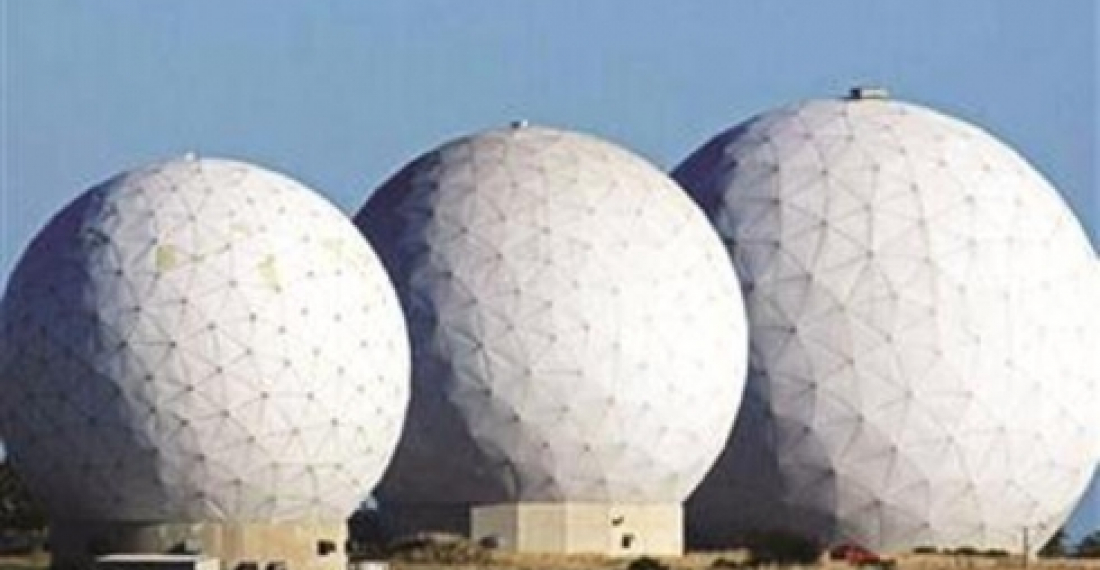

Система раннего радиолокационного предупреждения, дислоцированная в восточной анатолийской провинции Малатья, 1 января приступила к выполнению своих функции, сообщает со ссылкой на "надежные источники" Hurriyet Daily News.

Газета заявила, что радиолокационной системой в настоящее время управляют "небольшое число войск США, которые были направлены на военную базу Kürecik поблизости от города Малатья в последнюю неделю 2011 года так как турецкие военные не имеют квалифицированный персонал для запуска американской системы раннего радиолокационного предупреждения AN/TPY-2 (X-band). Несмотря на развертывание, объект находится на турецкой базе и будет находится под командованием турецких высокопоставленных офицеров", газета цитирует источник.

Hurriyet Daily News сообщает, что Турция присоединилась к программе НАТО по защите от ядерных ударов только после рассмотрения её условий альянсом. Она согласилась на развертывание системы раннего радиолокационного оповещения на своей территории в середине 2011 в то же время альянс, в свою очередь, согласился разместить высокопоставленного турецкого генерала в штаб-квартире НАТО в Германии, где разведывательные данные будут собираться и обрабатываться.

На протяжении последних нескольких дней турецкие официальные лица пытались успокоить Иран о целях и использовании данной системы, говоря о её предназначении, как о части оборонительного щита от ракетного нападения. Конечно же эта тема была обсуждена в ходе визита министра иностранных дел Турции Ахмеда Давутоглу в Тегеран в начале этой недели, и понятно, что вопрос был поднят в ходе встреч спикера иранского парламента Али Лариджани в Анкаре на этой неделе.

Политический редактор Commonspace.eu сказал следующее: "Турция пытается сбалансировать свою традиционную роль в качестве важного и надежного-членов НАТО и партнеров со своей новой ролью в качестве независимого регионального лидера с её собственной повесткой дня и приоритетами. Во многих случаях эти две цели идут хорошо в тандеме, но по иранскому и некоторым другим вопросам Ближнего Востока Турции должна умело держать баланс между двумя противоречивыми политиками. Пока турецкая дипломатия показала стойкость и значительную изобретательность. Давутоглу является способным дипломатом, который владеет полным доверием премьер-министра Эрдогана. Если отношения между Ираном и Западом ухудшатся Турции, однако, в какой-то момент придется сделать выбор, и это будет трудный момент для правительства ПСР."

Источник: commonspace.eu по материалам Hurriyet Daily News

Фото: Новая радиолокационная система в анатолийской провинции Малатья (фото любезно предоставлено Hurriyet Daily News)

Related articles

Editor's choice
News
Nikol Pashinyan re-appointed as Armenian prime minister after decisive June election victory

Nikol Pashinyan re-appointed as Armenian prime minister after decisive June election victory

Armenia president, Vahagn Khachaturyan has re-appointed Nikol Pashinyan as Armenian prime minister, after the decisive victory of his Civil Contract party in parliamentary elections in June. During a ceremony at the Presidential Palace in Yerevan, President Khachaturyan signed a decree on the appointment of Nikol Pashinyan as Prime Minister of the Republic. President Vahagn Khachaturyan said in short remarks: It is a great honor for me to sign a decree on appointing you to the post of Prime Minister of the Republic of Armenia, for which I received a proposal from the political majority in the National Assembly, under Article 149 of the Constitution of the Republic of Armenia. I sincerely congratulate you, I wish you great patience, endurance, and determination to lead us in these difficult times, to lead the country to the future, a prosperous future. Nikol Pashinyan thanked the president and added,  I must say honestly that in 2018, when I assumed the post of Prime Minister of the Republic of Armenia as a result of the People's, non-violent, velvet revolution, it would have been difficult to predict that we would go down such a path and I think it would have been difficult to predict that we would be able to overcome this path. But we are where we are, and I think that the key role and significance in all this is unequivocally and undoubtedly the people of the Republic of Armenia, who, after all, have demonstrated special expressions of state consciousness and state-centeredness throughout this period. And of course, this is a great obligation and commitment. Of course, the Government will be formed in the near future and all members of the Government, including me, will already enshrine our obligations to our people in the text of the oath.  In the meantime Ruben Rubinyan has been elected Speaker of the National Assembly of Armenia, following a secret vote of MPs. He is a 36-year-old MP from the ruling Civil Contract party, who was one of the deputy speakers in the previous parliament and, until recently, was the special representative in the negotiations on the normalization of relations with Turkey.

Popular

Editor's choice
Interview
Thursday Interview: Murad Muradov

Thursday Interview: Murad Muradov

Today, commonspace.eu starts a new regular weekly series. THURSDAY INTERVIEW, conducted by Lauri Nikulainen, will host  persons who are thinkers, opinion shapers, and implementors in their countries and spheres. We start the series with an interview with Murad Muradov, a leading person in Azerbaijan's think tank community. He is also the first co-chair of the Action Committee for a new Armenian-Azerbaijani Dialogue. Last September he made history by being the first Azerbaijani civil society activist to visit Armenia after the 44 day war, and the start of the peace process. Speaking about this visit Murad Muradov said: "My experience was largely positive. My negative expectations luckily didn’t play out. The discussions were respectful, the panel format bringing together experts from Armenia, Azerbaijan, and Turkey was particularly valuable during the NATO Rose-Roth Seminar in Yerevan, and media coverage, while varied in tone, remained largely constructive. Some media outlets though attempted to represent me as more of a government mouthpiece than an independent expert, which was totally misleading.  Overall, I see these initiatives as important steps in rebuilding trust and normalising professional engagement. The fact that soon a larger Azerbaijani civil society visits to Armenia followed, reinforces the sense that this process is moving in the right direction." (click the image to read the interview in full)


