


Баку просит Москву $300 млн. за Габалинскую РЛС
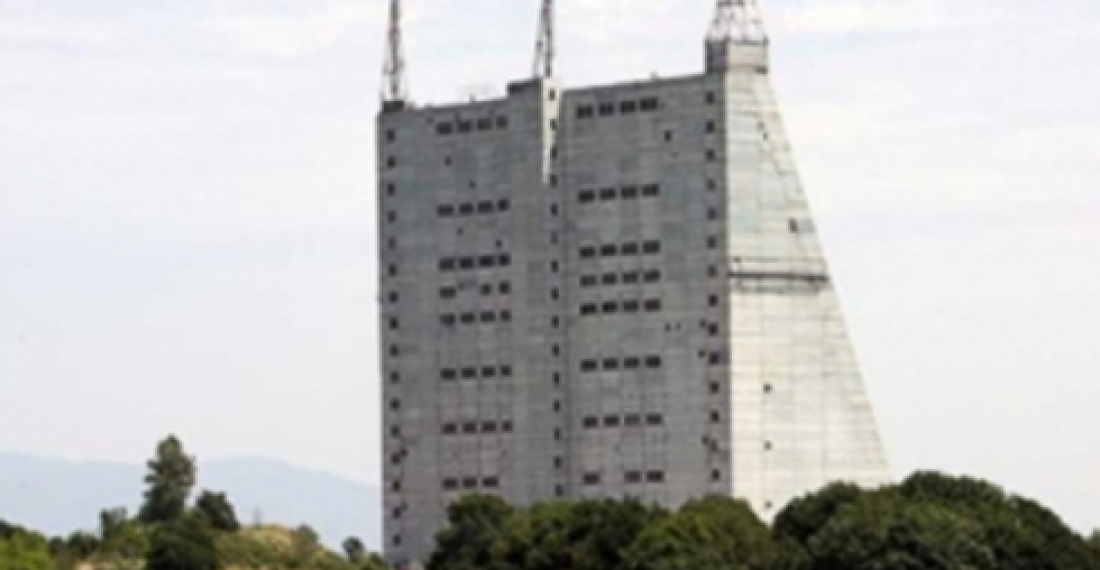
По сообщениям российских СМИ, Азербайджан запрашивает ежегодный платеж в размере $ 300 млн за аренду Габалинской РЛС, советский военный объект, который продолжает действовать на территории Азербайджана. Нынешняя аренда составляет $ 7 миллионов. Переговоры о продлении соглашения между двумя странами в отношении объекта начались в прошлом году. Нынешнее соглашение истекает в конце 2012 года.

Требование азербайджана, кажется, застало российских чиновников врасплох. Российская газета 'Коммерсант' сегодня утром, со ссылкой на российского чиновника в министерстве иностранных дел, сообщает, что спрос управляет "повесткой дня". Ранее сообщалось, что было также отмечено, что Азербайджан настаивает на двойной контроль над Габалинской РЛС и, что он будет иметь возможность обмениваться данными с РЛС. Настоящее время Габалинская РЛС управляется российским персонал и около тысячи военнослужащих развернуты для этой цели, что является единственным военным присутствием России в Азербайджане. В первые дни после распада СССР НАТО признали важность Габалинской РЛС для обороны России и не стали возражать против продолжения его деятельности в Азербайджане. В какой-то момент была рассмотрена возможность использования Габалинской РЛС совместно с американцами взамен европейского оборонного ракетного щита.

Политический редактор Commonspace.eu сказал в комментарии, что "Азербайджан является очень чувствительным по вопросу Габалинской РЛС. С одной стороны, он хочет показать его как положительный знак хороших отношений с Россией, с другой стороны, он хочет, чтобы было ясно, что Россия арендует объект по коммерческим ставкам. Азербайджан также хочет исключить использование Габалинской против своих собственных интересов в случае возобновления военных действий с Арменией. Эти переговоры могут продолжаться в течение некоторого времени. Российская сторона стремится сохранить свой единственный оставшийся военный объект в Азербайджане, как по политическим, так и по военным причинам. Однако перспективы для других стран СНГ, в которых имеются российские военные объекты, подобные требования по высокой арендной плате создают дилемму для российских стратегов. Уже несколько дней назад президент Кыргызстана  обвинил Россию за неуплату аренды по военным базам, расположенным в его стране, и призвал к их закрытию. С другой стороны, Азербайджан может утверждать, что он нуждается в деньгах из-за экологической опасности, которую Габала представляет. В 1998 году бакинская газета "Зеркало" опубликовала статью, утверждающую, что в результате эксплуатации радиолокационной станции был нанесён серьезный экологический ущерб, но расследование Академии Наук Азербайджана не нашло опасности для здоровья в результате эксплуатации станции, однако большинство экспертов считают, что определенный экологический ущерб неизбежен".

Источник: commonspace.eu по материалам "КоммерсантЪ" и РИА-Новости

Фото: Габалинская РЛС в Азербайджане (фото любезно предоставлено "Russia Today")

Related articles

Editor's choice
News
Nikol Pashinyan re-appointed as Armenian prime minister after decisive June election victory

Nikol Pashinyan re-appointed as Armenian prime minister after decisive June election victory

Armenia president, Vahagn Khachaturyan has re-appointed Nikol Pashinyan as Armenian prime minister, after the decisive victory of his Civil Contract party in parliamentary elections in June. During a ceremony at the Presidential Palace in Yerevan, President Khachaturyan signed a decree on the appointment of Nikol Pashinyan as Prime Minister of the Republic. President Vahagn Khachaturyan said in short remarks: It is a great honor for me to sign a decree on appointing you to the post of Prime Minister of the Republic of Armenia, for which I received a proposal from the political majority in the National Assembly, under Article 149 of the Constitution of the Republic of Armenia. I sincerely congratulate you, I wish you great patience, endurance, and determination to lead us in these difficult times, to lead the country to the future, a prosperous future. Nikol Pashinyan thanked the president and added,  I must say honestly that in 2018, when I assumed the post of Prime Minister of the Republic of Armenia as a result of the People's, non-violent, velvet revolution, it would have been difficult to predict that we would go down such a path and I think it would have been difficult to predict that we would be able to overcome this path. But we are where we are, and I think that the key role and significance in all this is unequivocally and undoubtedly the people of the Republic of Armenia, who, after all, have demonstrated special expressions of state consciousness and state-centeredness throughout this period. And of course, this is a great obligation and commitment. Of course, the Government will be formed in the near future and all members of the Government, including me, will already enshrine our obligations to our people in the text of the oath.  In the meantime Ruben Rubinyan has been elected Speaker of the National Assembly of Armenia, following a secret vote of MPs. He is a 36-year-old MP from the ruling Civil Contract party, who was one of the deputy speakers in the previous parliament and, until recently, was the special representative in the negotiations on the normalization of relations with Turkey.

Popular

Editor's choice
Interview
Thursday Interview: Murad Muradov

Thursday Interview: Murad Muradov

Today, commonspace.eu starts a new regular weekly series. THURSDAY INTERVIEW, conducted by Lauri Nikulainen, will host  persons who are thinkers, opinion shapers, and implementors in their countries and spheres. We start the series with an interview with Murad Muradov, a leading person in Azerbaijan's think tank community. He is also the first co-chair of the Action Committee for a new Armenian-Azerbaijani Dialogue. Last September he made history by being the first Azerbaijani civil society activist to visit Armenia after the 44 day war, and the start of the peace process. Speaking about this visit Murad Muradov said: "My experience was largely positive. My negative expectations luckily didn’t play out. The discussions were respectful, the panel format bringing together experts from Armenia, Azerbaijan, and Turkey was particularly valuable during the NATO Rose-Roth Seminar in Yerevan, and media coverage, while varied in tone, remained largely constructive. Some media outlets though attempted to represent me as more of a government mouthpiece than an independent expert, which was totally misleading.  Overall, I see these initiatives as important steps in rebuilding trust and normalising professional engagement. The fact that soon a larger Azerbaijani civil society visits to Armenia followed, reinforces the sense that this process is moving in the right direction." (click the image to read the interview in full)



