


Армянский оппозиционер призывает власти усилить пророссийский вектор во внешней политик
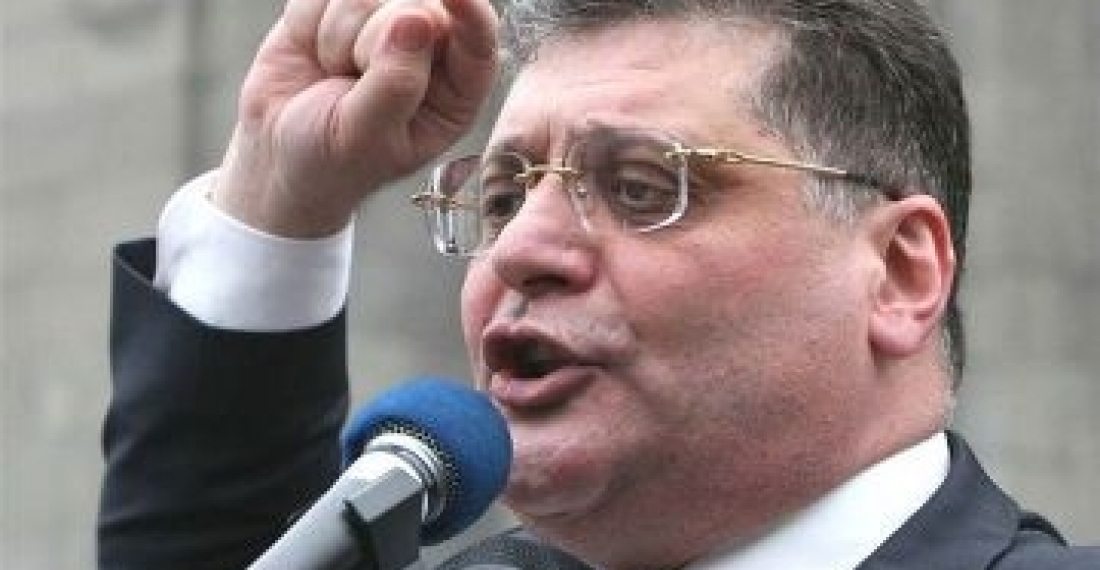
Власти Армении запутались в своих внешнеполитических приоритетах, ни в чем никому не отказывая, выражая готовность вступать во все возможные международные структуры. Эта политика, по ошибке называемая комплементаризмом, себя уже исчерпала.  Такое мнение в интервью АрмИнфо выразил лидер оппозиционной партии "Новые времена" Арам Карапетян.

По его словам, за 20 лет независимости Армения постоянно куда-то вступала, то в НАТО стремилась в начале 90-х, то в ОДКБ, то демонстрирует приверженность европейским ценностям. "Но чего мы достигли за эти годы?! Что мы получили?! Экономики как таковой нет, половина жителей уехала из страны, и единственное достижение - это победа в Арцахской войне. Во внешней политике царит полная неразбериха. Момент истины настал. Руководство Армении находится сейчас в очень неловкой ситуации. Они вынуждены сделать выбор, поскольку дальше заигрывать с мировыми силовыми центрами уже невозможно", - отметил он.

Оппозиционер считает, что наиболее целесообразным направлением внешней политики Армении в сегодняшних условиях является пророссийский вектор - между двумя странами исторически уже сложились те отношения, что Армения и армяне воспринимается в сознании русских как "свои".  Он считает, что в отличие от России, Европейский союз сегодня явно не в состоянии вкладывать инвестиции в Армению, развивать экономику, учитывая его огромные финансовые трудности.  Подтверждением этому является тот факт, что ЕС сегодня просит у Китая и России кредитов, чтобы удержать евро. "Есть реалии, которые, на мой взгляд, невозможно игнорировать. Армения к сожалению, никогда, кроме периода правления Тиграна Великого, в политическом плане не была самодостаточной. Если сделать краткий исторический экскурс, то можно увидеть, что многие армянские цари назначались со стороны крупных в то время держав - Вавилона, Парфянской империи, Рима, Византии.  Армения и сегодня не имеет тех политических и, тем более, экономических ресурсов, чтобы жить и развиваться, не будучи инкорпорированной в какую-либо глобальную структуру", - заявил Карапетян.

Что касается отношениям с Россией, то по мнению Карапетяна, у нас нет необходимости уговаривать русских вкладывать здесь инвестиции - они сами осознают необходимость развивать армянскую экономику. К тому же Россия обладает всеми видами полезных ископаемых, известных человечеству.

Related articles

Editor's choice
News
Azerbaijan-Armenia Internet Transit Deal Marks New Step in Regional Connectivity

Azerbaijan-Armenia Internet Transit Deal Marks New Step in Regional Connectivity

Azerbaijan and Armenia have signed an agreement allowing the mutual transit of international internet traffic, creating a direct telecommunications link between the two countries for the first time since the collapse of the Soviet Union. The deal, announced on 17 June by AzerTelecom and Telecom Armenia, is intended to improve route diversity and network resilience in the South Caucasus. The development follows a gradual process of normalisation of relations between Baku and Yerevan. Notably, Azerbaijan has repeatedly identified the restoration of transport and communication links as a key component of a future peace settlement. Since the initialling of a peace agreement during a summit in Washington in August 2025, the two sides have taken several important steps, including progress on border delimitation and the easing of certain transit restrictions. The telecommunications agreement is also significant because it was negotiated by private operators rather than government officials. Industry observers note that commercial infrastructure projects can create long-term economic ties and mutual dependencies that are more difficult to reverse than political declarations.

Popular

Editor's choice
Interview
Thursday Interview: Murad Muradov

Thursday Interview: Murad Muradov

Today, commonspace.eu starts a new regular weekly series. THURSDAY INTERVIEW, conducted by Lauri Nikulainen, will host  persons who are thinkers, opinion shapers, and implementors in their countries and spheres. We start the series with an interview with Murad Muradov, a leading person in Azerbaijan's think tank community. He is also the first co-chair of the Action Committee for a new Armenian-Azerbaijani Dialogue. Last September he made history by being the first Azerbaijani civil society activist to visit Armenia after the 44 day war, and the start of the peace process. Speaking about this visit Murad Muradov said: "My experience was largely positive. My negative expectations luckily didn’t play out. The discussions were respectful, the panel format bringing together experts from Armenia, Azerbaijan, and Turkey was particularly valuable during the NATO Rose-Roth Seminar in Yerevan, and media coverage, while varied in tone, remained largely constructive. Some media outlets though attempted to represent me as more of a government mouthpiece than an independent expert, which was totally misleading.  Overall, I see these initiatives as important steps in rebuilding trust and normalising professional engagement. The fact that soon a larger Azerbaijani civil society visits to Armenia followed, reinforces the sense that this process is moving in the right direction." (click the image to read the interview in full)



