Анализ: Оттавская конвенция очень важна!

Из 47 государств-членов Совета Европы только Армения, Азербайджан и Грузия, помимо России, не подписали конвенцию о запрещении наземных мин.

Несмотря на то, что на протяжении всей истории было много случаев использования наземных мин, особенно во время Гражданской войны в США, моментом появления взрывных противопехотных мин общего пользования часто считается первой мировой войной с дальнейшим резким ростом их числа, в десятки миллионов мин за чуть более чем два десятилетия спустя, в 1940-х годах. Во второй половине 20-го века вспышка межгосударственных и внутригосударственных конфликтов обеспечила дальнейший спрос на вооружения с широким применением противопехотных мин, выбранных за их доступную, но жестокую эффективность в обеспечении безопасности территории и предотвращении мобилизации войска противника.

Однако в разгар войны мало внимания уделяется долгосрочным последствиям противопехотных мин, которые после окончания конфликта продолжают оставаться такими же эффективными в убийстве и увечьях, как и предполагалось изначально. Как было сказано Джоди Уильямсом в интервью 2013 года, «возможно, мины помогают военным в течение двух недель или двух часов сражения, но затем они уходят и оставляют их там. И потом, в течение нескольких поколений - буквально - погибают люди, когда там войны нет». [1] К концу прошлого столетия глобальные оценки показали, что от 80 до 110 миллионов наземных мин было разбросано по 64 странам [2], причем отчеты постоянно показывают, что подавляющее большинство жертв составляют гражданские лица, а большинство среди них это дети [3].

Чрезвычайно высокая доля жертв среди гражданского населения была признана одной из основных причин создания Международной кампании по запрещению наземных мин (ICBL). ICBL возникла в начале 90-х годов, когда шесть НПО собрались вместе, чтобы призвать к международному запрещению применения наземных мин в ходе конфликтов. Джоди Уильямс был нанят, чтобы координировать и возглавлять движение ICBL, в которое впоследствии войдут более тысячи неправительственных организаций, и, которое постоянно будет заручаться поддержку средств массовой информации, знаменитостей, мировых лидеров и международных организаций.

В 1997 году, после усилий ICBL и обширных обсуждений, была разработана и подписана «Конвенция о запрещении применения, накопления запасов, производства и передачи противопехотных мин и об их уничтожении», и она была подписана в Оттаве, Канада. Сокращенная до «Конвенции о запрещении противопехотных мин» и неофициально известная как «Оттавская конвенция», соглашение рассматривалось как всеобъемлющий ответ международного сообщества на многочисленные гуманитарные проблемы, вызванные этим оружием войны.

Первоначально подписанный 122 государствами, договор вступил в силу 1 марта 1999 года с заявленной целью «положить конец страданиям и жертвам, вызванным противопехотными минами», и сосредоточиться на четырех основных целях:

Ø Всеобщее признание запрета на противопехотные мины
Ø Уничтожение накопленных противопехотных мин
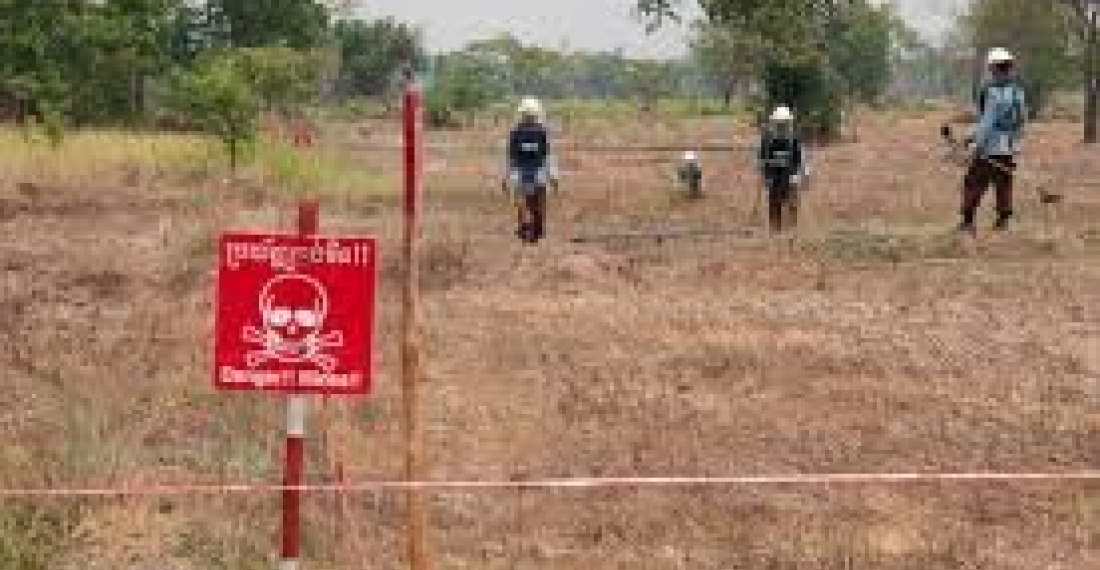
Ø Разминирование заминированных участков
Ø Помощь жертвам мин

Договор обязывает подписавших не только прекращать производство и разработку противопехотных мин, но и уничтожать любые оставшиеся запасы, которые они могут иметь. Он также требует от сторон оказания помощи лицам, пострадавшим от мин, в пределах их собственных границ, а также помощи другим государствам-участникам в выполнении их договорных обязательств.

В 2020 году 164 государства ратифицировали или присоединились к договору, включая всех членов Европейского Союза. Из 63 государств-участников, которые утверждали, что заминировали районы, 30 сообщили о завершении их разминирования, причем большинство из 33 других стран находятся в процессе. А из 91 страны, которая признала наличие запасов противопехотных мин, 88 уничтожили свои склады, что составило 51,8 млн. уничтоженных мин. Несмотря на значительный успех, к договору все еще предстоит присоединиться 33 странам, включая большинство государств-членов Совета Безопасности ООН - Россию, Китай и Соединенные Штаты Америки, а пока противопехотные мины продолжают ежедневно уносить жизни невинных людей [4].

Помимо непосредственной гуманитарной ценности договора, противоминная деятельность также служит мерой укрепления доверия между конфликтующими государствами и ощутимым «дивидендом мира» для стран, выходящих из конфликта. Противоминная деятельность в соответствии с Оттавским договором демонстрирует ценность сотрудничества между государствами, стимулируя усилия по достижению взаимовыгодной и ощутимой цели, подрыва парадигмы с нулевой суммой, которая характеризует неразрешимый конфликт. Кроме того, наряду с гуманитарными выгодами от ликвидации наземных мин, очевидны и долгосрочные экономические выгоды. Территория, даже предположительно напичканная наземными минами, недоступна для местного населения, что оказывает существенное влияние на сельскохозяйственную экономику и препятствует иностранным инвестициям.

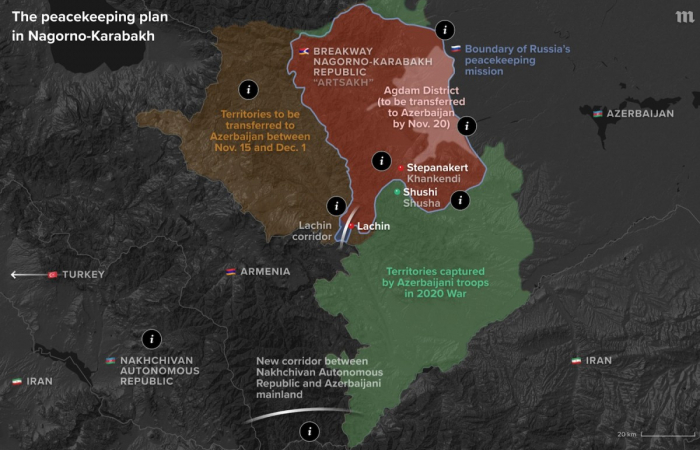
Из Совета Европы только Россия и страны Южного Кавказа - Армения, Азербайджан и Грузия - все еще должны присоединиться к договору [4]. Хотя односторонние усилия по борьбе с бедствием наземных мин и неразорвавшихся боеприпасов продолжаются по всему региону, они могут зайти только до определенной степени, и поэтому необходим определенный уровень сотрудничества для разминирования приграничных районов, которые представляют ежедневный риск для жителей. Согласно данным «Мониторинга наземных мин и кассетных боеприпасов», примерно 157 км2 региона остается заминированной зоной и согласно отчетам, по крайней мере, 5000 смертей было зафиксирована в результате подрыва на мине с 1990-х годов, причем большинство жертв являются гражданскими лицами. Учитывая долгосрочное воздействие противопехотных мин, опасность, которую они представляют для жизни людей, и возможные экономические выгоды, которые может принести скоординированная противоминная деятельность, страны Южного Кавказа имеют значительные стимулы для рассмотрения вопроса о присоединении к конвенции.

Ссылки

[1] - Nobel Prize, "Jody Williams on the landmine situation then vs now," 3 December 2013. [Online]. Available: https://www.youtube.com/watch?v=1uyuyOokt1g. [Accessed February 2010].
[2] - J. Williams, "A Global Socioeconomic Crisis,"Social Justice, pp. 97-113, 1995.
[3] - ICBL, "Landmine Monitor 2019," International Campaign to Ban Landmines - Cluster Munition Coalition (ICBL-CMC)., Geneva, 2019.
[4] - AP Mine Ban Convention, "Facts and Figures," 15 January 2019. [Online]. Available: https://www.apminebanconvention.org/fileadmin/user_upload/Basic_Convention_facts_and_figures_15_Jan_2019.pdf. [Accessed 26 February 2020].

Источник: Этот анализ был подготовлен исследовательской группой commonspace.eu
 

Related articles

Editor's choice
News
Council of Europe launches new International Claims Commission for Ukraine

Council of Europe launches new International Claims Commission for Ukraine

Thirty-four countries and the European Union have signed a new convention establishing an International Claims Commission for Ukraine at a diplomatic conference co-hosted by the 46-nation Council of Europe and the Netherlands in the Hague. The diplomatic conference was attended by leaders and high-level representatives from over 50 states, including the President of Ukraine, Volodymyr Zelenskyy, the President of the Republic of Moldova, Maia Sandu, and the Prime Minister of the Netherlands, Dick Schoof.  “Today marks a major step forward in ensuring accountability for Ukraine. The International Claims Commission represents justice and hope for tens of thousands of victims—our determination that those who have suffered will not be forgotten. I call for quick ratifications so we can get the commission rapidly up and running for the people of Ukraine,” said Council of Europe Secretary General Alain Berset. Ukrainian President Volodymyr Zelenskyy said: “We expect that every mechanism for compensation from the Register of Damage and Claims Commission to the actual payments – will start working and receive strong and sufficient international support, so that people can truly feel that any kind of damage caused by the war can be compensated. This war, and Russia’s responsibility for it, MUST become a clear example – so that others learn not to choose aggression.” “Accountability is about creating the conditions for peace that endures. And therefore, accountability is a condition of security – today and for the future. But accountability is not only about Ukraine. And it is not only about one aggressor and one victim. Accountability is about Europe. About every country in Europe. It is about whether Europe, as a whole, is willing to defend its peace,” said Maia Sandu, President of the Republic of Moldova, which currently holds the Presidency of the Council of Europe’s Committee of Ministers. The Prime Minister of the Netherlands, Dick Schoof, said: “Every day Russia is deliberately bombarding homes, destroying businesses and damaging infrastructure in Ukraine. Russia must compensate Ukraine for the damage caused. That is why we have launched the International Claims Commission for Ukraine and we are honoured to host it.” The International Claims Commission will be the second part of a comprehensive compensation mechanism related to Russia’s war of aggression, building on the existing Register of Damage for Ukraine. The claims commission will be established within the framework of the Council of Europe and will also be open to other countries. The Register of Damage for Ukraine, created in 2023, collects and records compensation claims submitted by individuals, organisations and public bodies in Ukraine. Forty-four states and the European Union have so far joined the Register, which has already received 86,000 claims. The International Claims Commission will review, assess and decide upon claims submitted to the Register of Damage for Ukraine and determine the amount of compensation, if any, which is due in each case. The convention establishing the commission will enter into force once it has been ratified by 25 signatories, as long as sufficient funds have been secured to support its initial work.

Popular

Editor's choice
News
Council of Europe launches new International Claims Commission for Ukraine

Council of Europe launches new International Claims Commission for Ukraine

Thirty-four countries and the European Union have signed a new convention establishing an International Claims Commission for Ukraine at a diplomatic conference co-hosted by the 46-nation Council of Europe and the Netherlands in the Hague. The diplomatic conference was attended by leaders and high-level representatives from over 50 states, including the President of Ukraine, Volodymyr Zelenskyy, the President of the Republic of Moldova, Maia Sandu, and the Prime Minister of the Netherlands, Dick Schoof.  “Today marks a major step forward in ensuring accountability for Ukraine. The International Claims Commission represents justice and hope for tens of thousands of victims—our determination that those who have suffered will not be forgotten. I call for quick ratifications so we can get the commission rapidly up and running for the people of Ukraine,” said Council of Europe Secretary General Alain Berset. Ukrainian President Volodymyr Zelenskyy said: “We expect that every mechanism for compensation from the Register of Damage and Claims Commission to the actual payments – will start working and receive strong and sufficient international support, so that people can truly feel that any kind of damage caused by the war can be compensated. This war, and Russia’s responsibility for it, MUST become a clear example – so that others learn not to choose aggression.” “Accountability is about creating the conditions for peace that endures. And therefore, accountability is a condition of security – today and for the future. But accountability is not only about Ukraine. And it is not only about one aggressor and one victim. Accountability is about Europe. About every country in Europe. It is about whether Europe, as a whole, is willing to defend its peace,” said Maia Sandu, President of the Republic of Moldova, which currently holds the Presidency of the Council of Europe’s Committee of Ministers. The Prime Minister of the Netherlands, Dick Schoof, said: “Every day Russia is deliberately bombarding homes, destroying businesses and damaging infrastructure in Ukraine. Russia must compensate Ukraine for the damage caused. That is why we have launched the International Claims Commission for Ukraine and we are honoured to host it.” The International Claims Commission will be the second part of a comprehensive compensation mechanism related to Russia’s war of aggression, building on the existing Register of Damage for Ukraine. The claims commission will be established within the framework of the Council of Europe and will also be open to other countries. The Register of Damage for Ukraine, created in 2023, collects and records compensation claims submitted by individuals, organisations and public bodies in Ukraine. Forty-four states and the European Union have so far joined the Register, which has already received 86,000 claims. The International Claims Commission will review, assess and decide upon claims submitted to the Register of Damage for Ukraine and determine the amount of compensation, if any, which is due in each case. The convention establishing the commission will enter into force once it has been ratified by 25 signatories, as long as sufficient funds have been secured to support its initial work.