


Абхазия подписала 136-й по счету договор с Россией. Отличается ли он чем-то от других?

Президент России Владимир Путин встретился в Сочи с президентом Абхазии Раулем Хаджимба, где стороны должны подписать

десятилетний договор, который обеспечит доминирующее положение России в делах Абхазии. Джозеф Александр Смит сообщает из

Тбилиси о возможных последствиях.

Амбиции Абхазии по развитию региональной транспортной инфраструктуры оказались в центр внимания, так как данное

образование готовится подписать договор об углублений связей с Российской Федерацией.

Вопрос вновь был поднят ранее в этом месяце после комментариев, сделанных заместителем министра Армении по транспорту и

связи, Артуром Аракеляном. Выступая перед журналистами, Аракелян заявил, что ведутся переговоры по восстановлению

железной дороги, соединяющей Армению, Грузию, Абхазию и Россию - планы, о котором ранее уже говорилось и в значительной

степени их игнорировали - и что вскоре ожидается принятие "очень важного решения".

Спустя несколько дней после митинга оппозиций, которая обвинила правительство Грузии в неадекватной реакции на

предложенный Россией договор с Абхазией, данный комментарии [Аракеляна] застал грузинских чиновников несколько врасплох.

Паата Закареишвили, государственный министр Грузии по примирению и гражданскому равенству - структура, которая отвечает

за мирный процесс с Абхазией  - заявил, что "ничего не происходит" касательно идеи восстановения железнодорожного

сообщения и, что переговоры находятся на том же уровне, что и два года назад.

Недавно избранный президент Абхазии Рауль Хаджимба, несколько более положительно относится к идее железнодорожного

сообщения между Арменией и Россией, но отрицает, что его сторона участвует в переговорах: "Я думаю, что это будет

интересно Абхазии, России и Армении. Я не могу сказать, будет ли Грузия готова к реализации этого проекта, но я больше

чем уверен, что ее западные покровители вряд ли этого захотят" - заявил Хаджимба в интервью веб-сайту Кавказский узел.

Прямое железнодорожное сообщение с Россией будет иметь огромное стратегическое значение для выхода к морю Армении,

которая недавно присоединилась к Таможенному союзу во вглаве с Россией. Союз призван облегчить торговлю между Россией и

другими бывшими советскими республиками, которые в настоящее время находятся в хороших отношениях с Кремлем. Помимо

России и Армении, в него также входят Казахстан и Беларусь.

В советский период железная дорога связывала Армению и Грузию с Россией, проходя через Абхазию. Железнодорожное сообщение между Абхазией и Россией все еще функционирует, но с Грузией прекращено с 1992 года, когда был взорван железнодорожный мост Ингури во время ожесточенных боев Абхазии за отделение.

Восстановление железнодорожного сообщения было предложено в прошлом, как часть региональной мирной инициативы, но в то время как союзники Москвы, Армения и Абхазия, выразили энтузиазм по поводу проекта, Грузия - которая пережила короткую войну с Россией в 2008 - отреагировала более осторожно на эти планы.

Правительство Абхазии, которое признали только Россия и несколько других государств, заявило, что главная выгода от  восстановления железной дороги будет увеличение "политической легитимности" для абхазского государства. Грузия - которая преследует более тесную интеграцию с НАТО и ЕС, несмотря на российские предупреждения - по-прежнему решительно выступает  против любого проекта, который будет включать признание де-факто правительства Абхазии.

Еще больше вопросов о региональном транспортном сообщении возникло, когда 14 ноября было объявлено о том, что премьер-министр Абхазии Беслан Бутба подписала меморандум о взаимопонимании с российской фирмой "Аэропорт Девелопмент" с целью восстановления аэропорта в Сухуми. По сообщению информационного агентства Апсныпресс, проект договора между компанией и правительством Абхазии, как ожидается, будет готов в течение трех месяцев.

Абхазия подписывала подобные соглашения и в прошлом, однако, они не приводили к открытию аэропорта. Аналогичный меморандум был подписан в 2011 году с Новапортом, компанией, которая оперирует несколькими аэропортами в Российской Федерации. Грузия остается противником работы аэропорта Сухуми и ранее просила внести Международную организацию  гражданской авиации (ИКАО) в черный список авиакомпании, которая совершает рейсы в или из Абхазии без согласия Тбилиси.

Слухи о развитии транспортной инфраструктуры Абхазии пришлись на момент, когда Сухуми и Москва готовятся к подписанию спорного договора о "союзе и стратегическом партнерстве". Первый проект договора включали слова "интеграция" в названии, которое вызвало возмущение в Тбилиси.

Высокопоставленные грузинские официальные лица выразили озабоченность тем, что Абхазия и Южная Осетия могут быть аннексированы и присоединены к России, которая взяла под свой контроль Крымский полуостров в начале года. Вскоре после аннексии Крыма, России утвердила планы по строительству моста, который свяжит Крыма с Россией.

Последняя версия российско-абхазского договора, который был одобрен обеими сторонами, предусматривает создание совместных структур в области обороны и правоохранительных органов, а также предлагает держателям российского паспорта в Абхазии те же пенсии и пособия в сфере здравоохранения, как в настоящее время в Российской Федерации.

В то время, как Министерство иностранных дел Грузии решительно осудило договор назвав его очевидным шагом к «аннексии» грузинских территорий, их коллеги в Абхазии отреагировали спокойно: "У нас уже подписано 135 соглашений с Россией", сказал министр иностранных дел Абхазии Вячеслав Чирикба. "Это будет 136-м, так в чем проблема?"

Джозеф Александр Смит для commonspace.eu

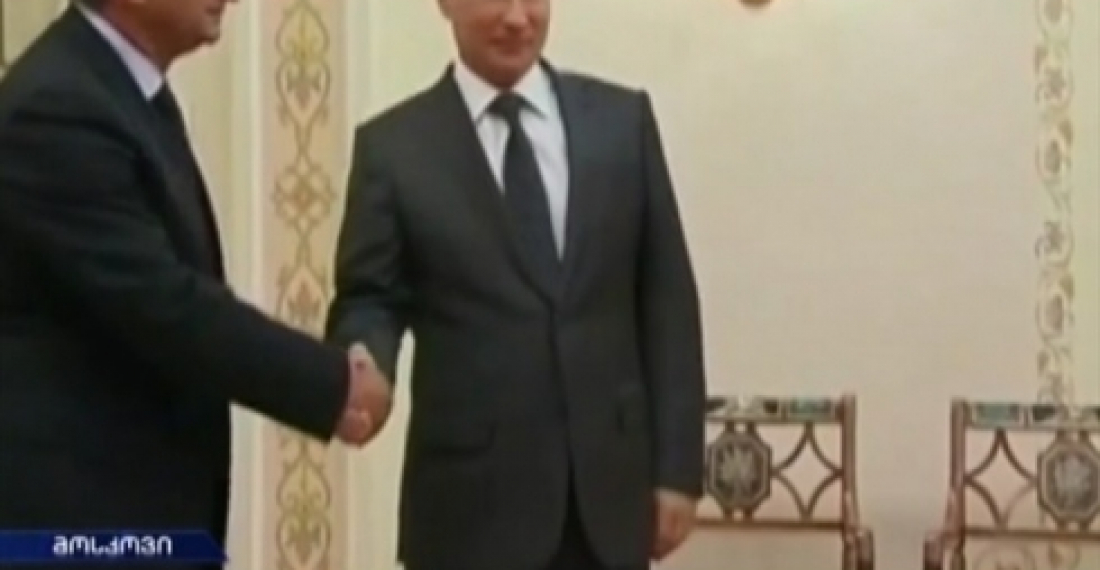
фото: президент России Владимир Путин приветствует абхазского лидера Рауля Хаджимба в Сочи (фото из архива).


Related articles

Editor's choice
News
Russia adds pressure on Armenia ahead of key elections; recalls Ambassador in Yerevan for consultations

Russia adds pressure on Armenia ahead of key elections; recalls Ambassador in Yerevan for consultations

Ahead of key parliamentary elections,scheduled to be held in Armenia on Sunday, 7 June, Russia continues to attempt to put pressure on the Armenian Government led by prime minister Nikol Pashinyan. On 30 May, Russia recalled its Ambassador to Yerevan for consultations. A terse statement, published on the website of the Russian Foreign Ministry, said, "The Ambassador of the Russian Federation to the Republic of Armenia , S.P. Kopyrkin, has been summoned to Moscow for consultations in connection with the steps taken by the Armenian leadership to move closer to the European Union, which are detrimental to cooperation within the EAEU." This followed a statement issued the day before, by the leaders of the Eurasian Economic Union (EAEU) that challenges the Armenian trajectory towards approximating to the European Union. Vladimir Putin is undertood to have personally pushed the other four EAEU leaders to issue the statement, which said: "Taking into account the significant risks to the economic security of the member states of the Eurasian Economic Union (hereinafter referred to as the Union) arising in connection with the preparation of the Republic of Armenia for accession to the European Union, as well as the need to prevent the associated damage to the member states of the Union: decided that the members of the Eurasian Intergovernmental Council from the Republic of Belarus, the Republic of Kazakhstan, the Kyrgyz Republic and the Russian Federation will report at the next meeting of the Supreme Eurasian Economic Council in December 2026 on the possible consequences of the suspension of the Treaty on the Eurasian Economic Union with respect to the Republic of Armenia. We share the position on the need to hold a national referendum in the Republic of Armenia as soon as possible on joining the European Union or continuing to be part of the Eurasian Economic Union."
Editor's choice
News
The leaders of the states of the Eurasian Economic Union issued a tough statement warning fellow-member state Armenia of the consequences of its desire to join the European Union.

The leaders of the states of the Eurasian Economic Union issued a tough statement warning fellow-member state Armenia of the consequences of its desire to join the European Union.

The leaders of the states of the Eurasian Economic Union (EEAS) issued a tough statement warning fellow-member state Armenia of the consequences of its desire to join the European Union. The stark, sharply worded,  warning, comes days before crucial parliamentary elections in Armenia, scheduled for 7 June. The full statement said, “We, the Presidents of the Republic of Belarus, the Republic of Kazakhstan, the Kyrgyz Republic and the Russian Federation, Taking into account the actions of the Republic of Armenia aimed at joining the European Union, including the approval in 2025 by the National Assembly of the Republic of Armenia and the signing by the President of the Republic of Armenia of the Law of the Republic of Armenia "On the Start of the Process of Accession of the Republic of Armenia to the European Union", as well as the confirmation by the European Union of the European aspirations of the Government of the Republic of Armenia, expressed in the joint declaration following the first Armenia-European Union summit, adopted on 5 May 2026, Taking into account the significant risks to the economic security of the member states of the Eurasian Economic Union (hereinafter referred to as the Union) arising in connection with the preparation of the Republic of Armenia for accession to the European Union, as well as the need to prevent the associated damage to the member states of the Union: decided that the members of the Eurasian Intergovernmental Council from the Republic of Belarus, the Republic of Kazakhstan, the Kyrgyz Republic and the Russian Federation will report at the next meeting of the Supreme Eurasian Economic Council in December 2026 on the possible consequences of the suspension of the Treaty on the Eurasian Economic Union with respect to the Republic of Armenia. We share the position on the need to hold a national referendum in the Republic of Armenia as soon as possible on joining the European Union or continuing to be part of the Eurasian Economic Union. Astana, May 29, 2026” A meeting of the Supreme Eurasian Economic Council was held in Astana, Kazakhstan, on May 29, 2026. The meeting of the Supreme Eurasian Economic Council in a restricted format was attended by Russian President Vladimir Putin, Belarusian President Alexander Lukashenko , Kazakh President Kassym-Jomart Tokayev , Kyrgyz President Sadyr Japarov , Armenian Deputy Prime Minister Mher Grigoryan, and Chairman of the Board of the Eurasian Economic Commission Bakytzhan Sagintayev. From the Russian side, the meeting was also attended by Deputy Prime Minister and member of the Council of the Eurasian Economic Commission Alexey Overchuk and Presidential Aide Yury Ushakov . The heads of delegations from EAEU observer states, including President of Uzbekistan Shavkat Mirziyoyev , Vice President of Cuba Salvador Valdés Mesa, Minister of Industry, Mines, and Trade of Iran Mohammad Atabak, and CIS Secretary General Sergei Lebedev, joined the expanded meeting . Following the meeting of the Supreme Eurasian Economic Council, a number of documents were signed .

Popular

Editor's choice
Interview
Thursday Interview: Murad Muradov

Thursday Interview: Murad Muradov

Today, commonspace.eu starts a new regular weekly series. THURSDAY INTERVIEW, conducted by Lauri Nikulainen, will host  persons who are thinkers, opinion shapers, and implementors in their countries and spheres. We start the series with an interview with Murad Muradov, a leading person in Azerbaijan's think tank community. He is also the first co-chair of the Action Committee for a new Armenian-Azerbaijani Dialogue. Last September he made history by being the first Azerbaijani civil society activist to visit Armenia after the 44 day war, and the start of the peace process. Speaking about this visit Murad Muradov said: "My experience was largely positive. My negative expectations luckily didn’t play out. The discussions were respectful, the panel format bringing together experts from Armenia, Azerbaijan, and Turkey was particularly valuable during the NATO Rose-Roth Seminar in Yerevan, and media coverage, while varied in tone, remained largely constructive. Some media outlets though attempted to represent me as more of a government mouthpiece than an independent expert, which was totally misleading.  Overall, I see these initiatives as important steps in rebuilding trust and normalising professional engagement. The fact that soon a larger Azerbaijani civil society visits to Armenia followed, reinforces the sense that this process is moving in the right direction." (click the image to read the interview in full)

