


Тюрколог:

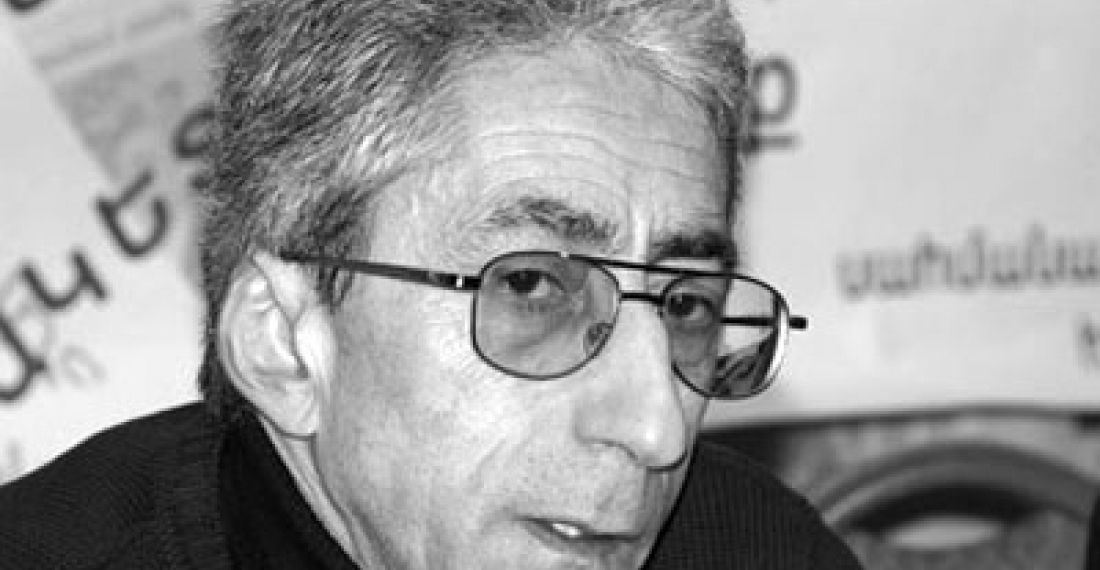
Если Баку приобретает вооружение на 1,6 млн. и при этом договор о приобретении отсутствует, это может означать только одно, есть другой секретный договор, в котором Азербайджан обязуется предоставить свои военные аэропорты и базы в распоряжение Израиля. Об этом 6 апреля на пресс-конференции в Ереване заявил тюрколог Акоп Чакрян. Израильская корпорация Israeli Aerospace Industries 26 февраля подписала с Минобороны Азербайджана соглашение о поставке вооружений на общую сумму в $1,6 млрд. Речь идет о поставках беспилотных летательных аппаратов и новейших систем ПВО.

"Вооружение Азербайджана не столько опасно для Армении, сколько для Ирана. Поскольку направленно именно против ИРИ. Эти шаги направлены на оказание давления на Иран и параллельно с этим с целью увеличения давления на Сирию. Иначе бы данное оружие не было бы установлено вдоль азербайджано-иранской границы",- заявил тюрколог.

По мнению Чакряна, иранский конфликт на сегодняшний день для Армении не актуален, что связано с предстоящими 6 мая парламентскими выборами в республике. Армянский же народ, по его убеждению сейчас волнуют другие проблемы. При этом он коснулся зафиксированного роста экономики, отметив, что данный факт никак не скажется на улучшении социального положения народа, так как все эти деньги пойдут в карманы олигархов.

Отметим, что за последние годы произошло 20-ти кратное увеличение расходов Азербайджана на оборону. Лишь в 2011 году Азербайджан выделил из госбюджета на содержание вооруженных сил, других военных объединений, предусмотренных законодательством, и военизированных структур 2 630 млн манатов, что составляет примерно 3 287 млн долларов. Меж тем, оборонные расходы Армении в 2011 году не превысили 350 млн долларов. Бюджетом на 2012 год расходы на оборону составят около 400 млн.

Related articles

Editor's choice
News
The British prime minister says Europe must "stand on its own two feet" when it comes to defence

The British prime minister says Europe must "stand on its own two feet" when it comes to defence

The UK will deploy a carrier strike group, led by the aircraft carrier HMS Prince of Wales to the Arctic and the High North as part of efforts to bolster security against Russian threats. British prime minister, Sir Keir Starmer announced the deployment in a speech on Saturday (14 February) at the Munich Security Conference. Europe must be ready to fight to protect its people, values, and way of life,  Sir Keir told the Conference. Starmer also called for deeper links and cooperation, including economic ties, between the UK and EU. The PM stressed the continent must "stand on its own two feet" when it comes to defence commitments. "We must build our hard power, because that is the currency of the age," he told the conference. (Click image to read the full story).

Popular

Editor's choice
Interview
Thursday Interview: Murad Muradov

Thursday Interview: Murad Muradov

Today, commonspace.eu starts a new regular weekly series. THURSDAY INTERVIEW, conducted by Lauri Nikulainen, will host  persons who are thinkers, opinion shapers, and implementors in their countries and spheres. We start the series with an interview with Murad Muradov, a leading person in Azerbaijan's think tank community. He is also the first co-chair of the Action Committee for a new Armenian-Azerbaijani Dialogue. Last September he made history by being the first Azerbaijani civil society activist to visit Armenia after the 44 day war, and the start of the peace process. Speaking about this visit Murad Muradov said: "My experience was largely positive. My negative expectations luckily didn’t play out. The discussions were respectful, the panel format bringing together experts from Armenia, Azerbaijan, and Turkey was particularly valuable during the NATO Rose-Roth Seminar in Yerevan, and media coverage, while varied in tone, remained largely constructive. Some media outlets though attempted to represent me as more of a government mouthpiece than an independent expert, which was totally misleading.  Overall, I see these initiatives as important steps in rebuilding trust and normalising professional engagement. The fact that soon a larger Azerbaijani civil society visits to Armenia followed, reinforces the sense that this process is moving in the right direction." (click the image to read the interview in full)


