


ТУРЦИЯ-ИЗРАИЛЬ-АЗЕРБАЙДЖАН-ОТНОШЕНИЯ

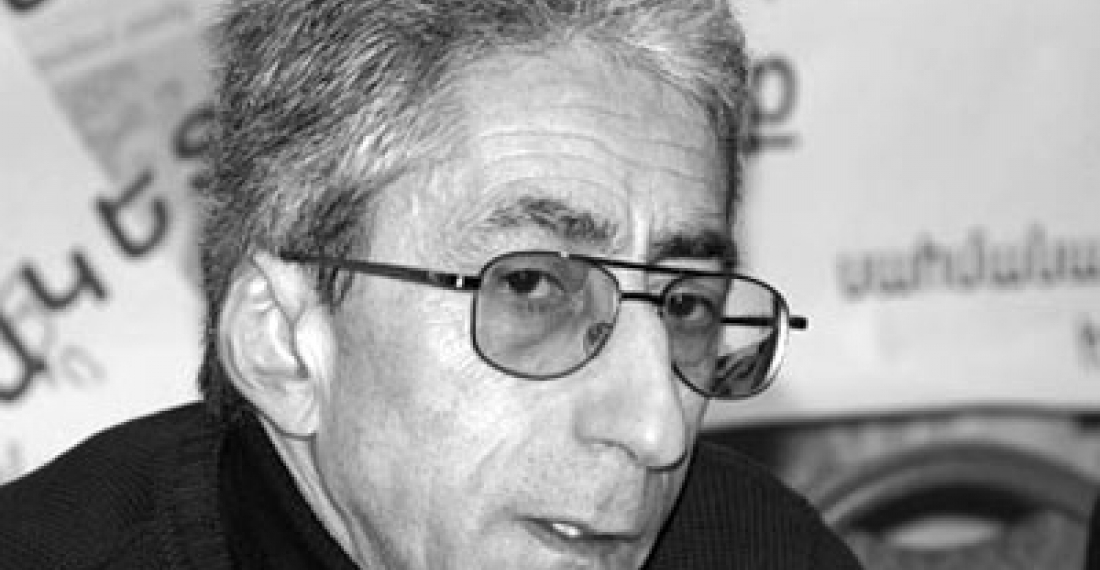
Турции не удастся настроить Азербайджан против Израиля, - заявил в интервью АрмИнфо тюрколог Акоп Чакрян. "Насколько мне известно, ранее посол Турции в Азербайджане потребовал от Баку пересмотреть свои отношения с Израилем, на что получил отрицательный ответ. Не думаю, что Баку принесет свое сотрудничество с Тель-Авивом в жертву региональным амбициям "старшего брата". Позиции Турции не столь уж и сильны в Азербайджане", - отметил он.

По словам эксперта, еще в начале 90-х гг. Турция намеревалась превратить Азербайджан в плацдарм для дальнейшего распространения своего влияния на Южный Кавказ в целом, но ее расчеты не оправдались, и сегодня Анкара вряд ли способна определять внешнеполитические предпочтения своего союзника.

"Израиль является одним из важных поставщиков оружия Азербайджану. Более того, не следует забывать и о факторе достаточно сильного еврейского лобби в Азербайджане. Недавно я встретил публикацию в турецких СМИ о том, что безопасность семьи азербайджанского президента Ильхама Алиева и его семьи обеспечивают сотрудники МОССАД. Агенты израильской спецслужбы сопровождают Алиева и в ходе его заграничных поездок. И никаких оснований у меня нет для того, чтобы сомневаться в правдивости этой публикации", - заметил Чакрян.

Эксперт также добавил, что в отношениях между Турцией и Израилем в обозримом будущем вряд ли наступит потепление, судя по последним заявлениям турецкого премьер-министра Эрдогана, обвиняющего Израиль в оккупации палестинских территорий, убийстве мирных граждан, рассматривающего Израиль как угрозу региональной стабильности и безопасности.

"Я также не думаю, что Израиль пойдет на какие-либо уступки Анкаре, как в вопросе ликвидации блокады Сектора Газа, так и в связи с прошлогодним инцидентом с "Флотилией свободы", подвергшейся атаке израильских военных, в ходе которой были убиты 9 турецких граждан. Израиль по объективным причинам не может уступить - это серьезно ослабило бы ее позиции, и не только в отношениях с Турцией, но и в противостоянии с соседними арабскими странами", - резюмировал тюрколог.


 

Related articles

Editor's choice
News
The British prime minister says Europe must "stand on its own two feet" when it comes to defence

The British prime minister says Europe must "stand on its own two feet" when it comes to defence

The UK will deploy a carrier strike group, led by the aircraft carrier HMS Prince of Wales to the Arctic and the High North as part of efforts to bolster security against Russian threats. British prime minister, Sir Keir Starmer announced the deployment in a speech on Saturday (14 February) at the Munich Security Conference. Europe must be ready to fight to protect its people, values, and way of life,  Sir Keir told the Conference. Starmer also called for deeper links and cooperation, including economic ties, between the UK and EU. The PM stressed the continent must "stand on its own two feet" when it comes to defence commitments. "We must build our hard power, because that is the currency of the age," he told the conference. (Click image to read the full story).

Popular

Editor's choice
Interview
Thursday Interview: Murad Muradov

Thursday Interview: Murad Muradov

Today, commonspace.eu starts a new regular weekly series. THURSDAY INTERVIEW, conducted by Lauri Nikulainen, will host  persons who are thinkers, opinion shapers, and implementors in their countries and spheres. We start the series with an interview with Murad Muradov, a leading person in Azerbaijan's think tank community. He is also the first co-chair of the Action Committee for a new Armenian-Azerbaijani Dialogue. Last September he made history by being the first Azerbaijani civil society activist to visit Armenia after the 44 day war, and the start of the peace process. Speaking about this visit Murad Muradov said: "My experience was largely positive. My negative expectations luckily didn’t play out. The discussions were respectful, the panel format bringing together experts from Armenia, Azerbaijan, and Turkey was particularly valuable during the NATO Rose-Roth Seminar in Yerevan, and media coverage, while varied in tone, remained largely constructive. Some media outlets though attempted to represent me as more of a government mouthpiece than an independent expert, which was totally misleading.  Overall, I see these initiatives as important steps in rebuilding trust and normalising professional engagement. The fact that soon a larger Azerbaijani civil society visits to Armenia followed, reinforces the sense that this process is moving in the right direction." (click the image to read the interview in full)

