Region

Central Asia

Stories under this heading cover Central Asia – a region of Asia, stretching from the Caspian Sea in the west to Mongolia in the east, from Afghanistan in the south to Russia in the north.

Editor's choice
Opinion
Opinion: The European Union must recognise that the C5 have now become the C6

Opinion: The European Union must recognise that the C5 have now become the C6

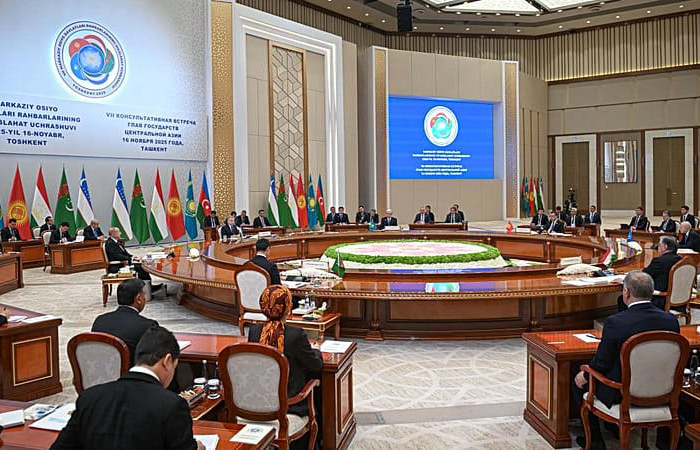
In recent years, Eurasia has undergone a structural transformation in how regions connect, trade, and cooperate. The combination of geopolitical shocks, disrupted supply chains, and the search for secure east–west routes has elevated the importance of the Trans-Caspian space. The states of Central Asia, once constrained by geography, have taken unprecedented steps to strengthen regional coordination, modernize infrastructure, and integrate more closely with Europe. Meanwhile, Azerbaijan has rapidly emerged as an indispensable connector linking Central Asia with the South Caucasus, Türkiye, and European markets. This new reality was formally acknowledged in November 2025 when Azerbaijan was unanimously welcomed as a full participant in the Consultative Meeting of Central Asian Heads of State in Tashkent. What had long been a C5 grouping transformed into a C6, marking a historic moment: the Caspian was no longer a frontier separating two regions but the center of a unified geopolitical and geo-economic space. President Ilham Aliyev described this alignment as the emergence of “a single geopolitical and geo-economic region,” while President Shavkat Mirziyoyev called Azerbaijan’s inclusion “historic” and proposed transforming the consultative platform into a structured regional institution capable of shaping security, economic, environmental, and digital policy. The Caspian is no longer a boundary; it is the heart of an integrated region. The transformation of the EU and U.S. C5+1 formats into C6+1 is the logical next step to ensure that both sides of the Caspian advance together – coherently, strategically, and with shared purpose. (click the image to read the full op-ed).
Editor's choice
News
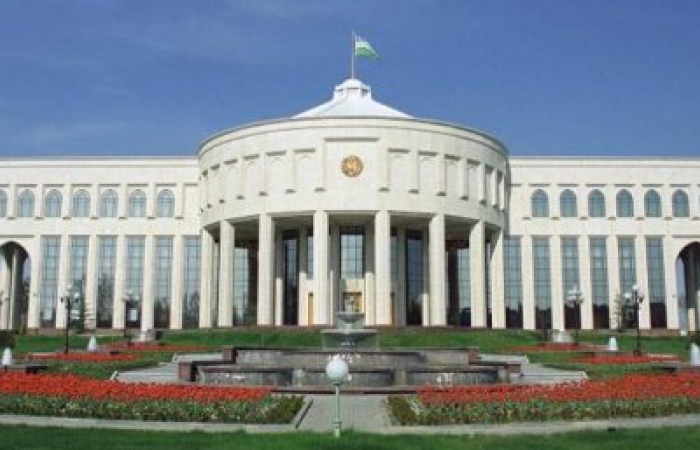
Central Asian leaders meet in Tashkent this weekend for their 7th Consultative  Meeting. Azerbaijan participates for the third year as guest

Central Asian leaders meet in Tashkent this weekend for their 7th Consultative Meeting. Azerbaijan participates for the third year as guest

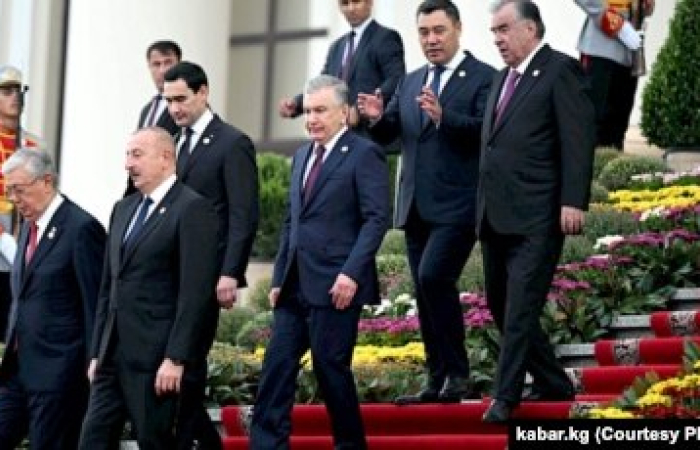
Central Asian leaders will gather in Tashkent this weekend for the Seventh Consultative Meeting of Heads of State, with plans to adopt a package of multilateral agreements to deepen regional cooperation. The summit brings together the leaders of Uzbekistan, Kazakhstan, Kyrgyzstan, Tajikistan and Turkmenistan, with Azerbaijan participating as a guest of honour for the third consecutive year. The leaders will discuss ways to advance joint projects in priority sectors and exchange views on key regional and international issues, as outlined in the agenda. The consultative meeting format originated from Mirziyoyev's initiative announced at the UN General Assembly in 2017, proposing regular high-level consultations among Central Asian states. The inaugural meeting took place in Astana in 2018. Azerbaijan's President Ilham Aliyev told the Uzbekistan press agency the meeting will be "a significant stage in fostering the centuries-old friendship between our brotherly peoples and expanding multi-level cooperation in the political, economic, transport, investment, energy, cultural and humanitarian spheres, and in the field of digital transformation." He noted that over the past three years, Central Asian heads of state have made nearly 30 visits to Azerbaijan, while he has visited the countries 13 times. Azerbaijan's engagement strengthens regional connectivity, particularly through the Middle Corridor linking Central Asia with Europe.

Filter archive

Publication date
Editor's choice
Мнение: Бывшая первая дочь Узбекистана снова в центре всеобщего внимания

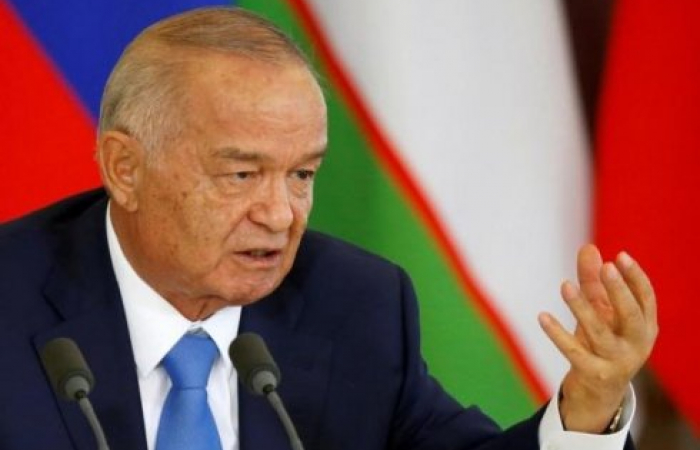
Мнение: Бывшая первая дочь Узбекистана снова в центре всеобщего внимания

Первый подтвержденный контакт с 2014 года с дочерью бывшего президента Гульнарой Каримовой исходит от швейцарского юриста.
Editor's choice
News
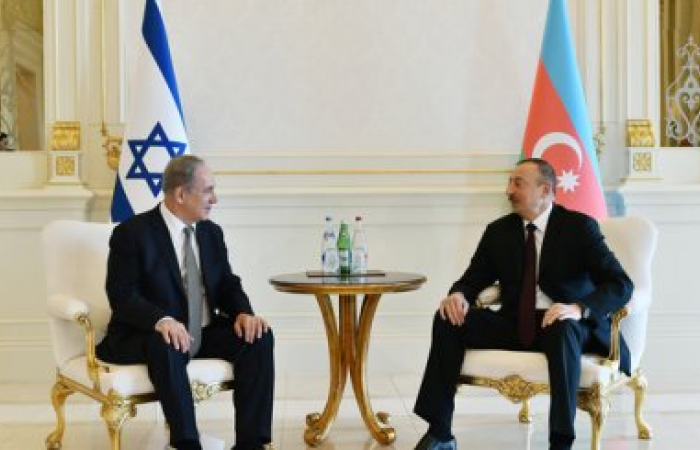
Премьер-министр Израиля Нетаньяху посетил Баку

Премьер-министр Израиля Нетаньяху посетил Баку

Премьер-министр Израила перед тем как отправится в поездку в Азербайджан и Казастан, сказал в аэропорту Бен-Гурион, что он направляется в две важные мусульманские страны.
Editor's choice
News
Туркменистан выступает за обширное сотрудничество в Каспийском регионе

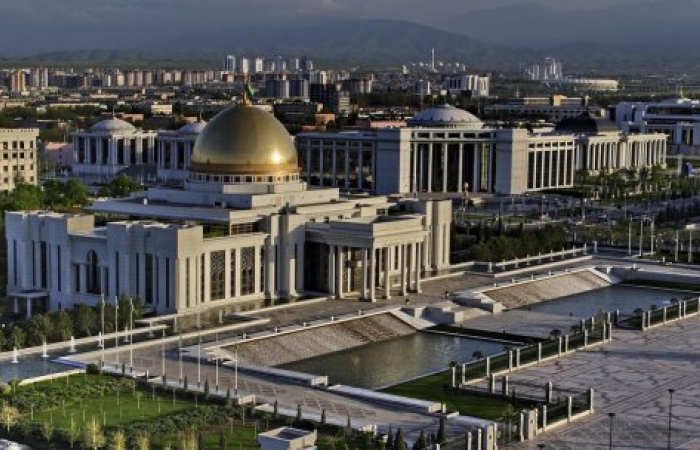
Туркменистан выступает за обширное сотрудничество в Каспийском регионе

Президент Туркменистана Гурбангулы Бердымухамедов считает важным дальнейшую консолидацию усилий, направленных на развитие сбалансированных решений проблем Каспийского региона, в том числе совершенствование нормативно-правовой базы, необходимой для обеспечения надежной основы для развития взаимовыгодного партнерства в различных сферах.
Editor's choice
Переговоры США-Центральная Азия это лишь небольшая часть сложной региональной картины

Переговоры США-Центральная Азия это лишь небольшая часть сложной региональной картины

США научились понимать ограничения своего влияния в Центральной Азии, однако инициатива "С5+1" также говорит нам о том, что США не готовы остаться совсем без влияния в такой стратегически важной части мира.
Editor's choice
США приветствует за столом переговоров глав МИД пяти стран Центральной Азии

США приветствует за столом переговоров глав МИД пяти стран Центральной Азии

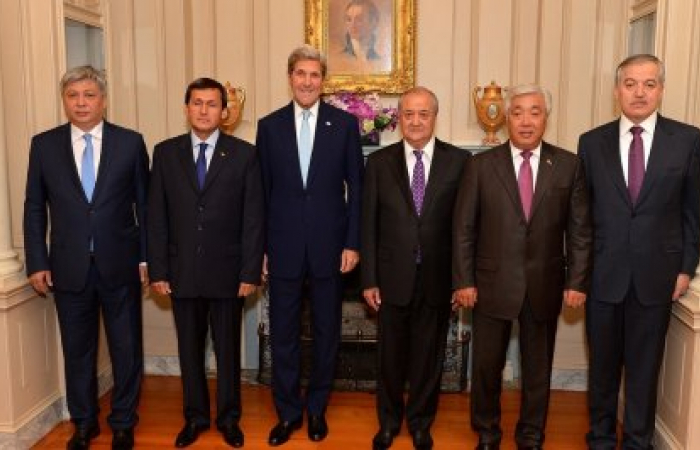
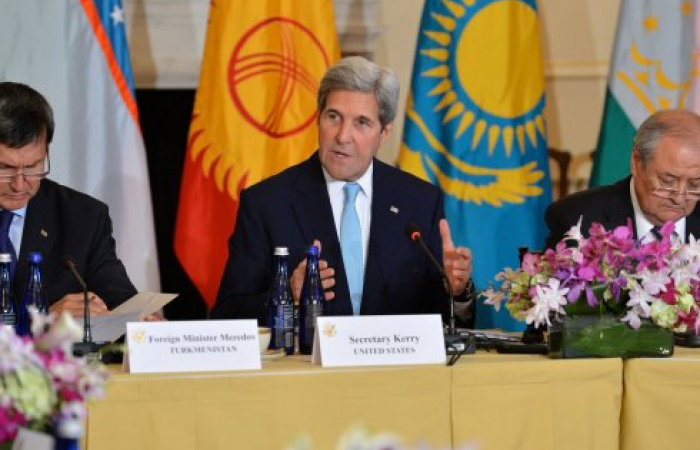
Встречу Джона Керри с министрами иностранных дел Казахстана, Кыргызстана, Таджикистана, Туркменистана и Узбекистана уже окрестили "С5+1"
Editor's choice
Мнение: Ферганская долина - наиболее важное место в Центральной Азии.

Мнение: Ферганская долина - наиболее важное место в Центральной Азии.

Центральной Азии в ЕС уделяли мало внимания, но недавнее решение Совета обозначило приоритеты в этом регионе. Гидеон Уэйкфилд в своем обзоре утверждает, что именно в Ферганской долине наиболее ощутимо отсутствие ЕС, и, что именно тут присутствие ЕС наиболее необходимо.
Editor's choice
ЕС рассмотрел стратегию по Центральной Азии

ЕС рассмотрел стратегию по Центральной Азии

Совет министров иностранных дел Европейского Союза, представляющий 28 государств-членов, рассмотрел стратегию ЕС в отношении Центральной Азии. Объем финансовых обязательств ЕС в рамках двустороннего и регионального сотрудничества с Центральной Азией на 2014-20гг. составит 1,068 млрд. евро.