Отношения между ЕС и Азербайджаном хорошие. Настало время сделать их еще лучше. В ходе визита Алиева в ЕС обсуждались темы нефти, газа, трубопроводы и права человека.

Президент Азербайджана Ильхам Алиев вчера посетил европейские институты в Брюсселе. Он встретился с президентом Европейского совета Херманом Ван Ромпеем и президентом Европейской Комиссии Жозе Мануэль Баррозу. Обсуждения были сосредоточены на будущем отношений Азербайджана с Европейским Союзом, вопросах материального сотрудничества, в частности связанные с энергией, а также были подняты вопросы демократизации и права человека.

Выступая после встречи с азербайджанским лидером, президент Херман ван Ромпей заявил,

"Между Азербайджаном и Европейским Союзом существуют хорошие отношения. Наше долгосрочное обязательство заключается в еще большем укреплении этих отношений посредством работы, направленной на завершение переговоров по Ассоциативному соглашению. С помощью Ассоциативного соглашения наши отношения могут полностью реализовать свой потенциал." Ван Ромпей отметил, что "президент Совета Европейского Союза решительно настроен на долгосрочное и основательное сотрудничество с Азербайджаном в области демократических и общих ценностей, в частности прав и фундаментальных свобод человека."

Эта тема была позже затронута и президентом Европейской Комиссии Жозе Мануэль Баррозу, который сказал, что "2013 действительно является годом больших возможностей для отношений ЕС-Азербайджан. Я выступаю за более широкие и глубокие отношения с вашей нацией, страной, которую мы очень уважаем, с энергоресурсами, как отличная отправная точка и с общими ценностями в основе".

В ходе обсуждения тема энергоресурсов доминировала между президентом Алиевым и лидером ЕС. Как заявил президент Баррозу после завершения встречи, ставки довольно высоки. Ссылаясь на новый проект газопровода, который свяжет Азербайджан с европейским энергетическим рынком Баррозу сказал: "Южный газовый коридор это не теоретический проект на чертежной доске, и он вот вот будет реализован на благо всех участвующих. Этот проект доставит на европейский рынок к 2019 году изначально 10 млрд. кубометров газа, но мы не будем останавливаться на достигнутом. Коридор может в среднесрочной перспективе покрыть более 10% наших ежегодных потребностей в Европе и тем самым способствовать нашей энергетической безопасности, стабильности цен, и росту рабочих мест. Это наше общее видение, которое мы согласовали с президентом Ильхамом Алиевым в 2011 году. Это то, над чем мы будем продолжать работать в целях повышения нашей взаимной безопасности поставок. Мы считаем, что это в интересах Европы и Азербайджаном".

Со своей стороны Президент Алиев также подчеркнул важность отношений с ЕС для Азербайджана. Он сказал: "Азербайджан хочет стать ближе к Европе настолько, насколько это возможно". Алиев подчеркнул, что Азербайджан и ЕС продолжают сотрудничество в рамках программы Восточного партнерства. Ильхам Алиев выразил признательность европейским институтам за поддержку развития Азербайджана, в том числе в области прав человека. "Эта поддержка помогает Азербайджану проводить реформы в соответствии с высокими мировыми стандартами", сказал он.

Политический редактор Commonspace.eu в комментарии сообщает:

"Визит президента Алиева в Брюссель пришелся на очень решающий момент в отношениях ЕС-Азербайджан. Обе стороны понимают, что это решающий момент для этих отношений и что они теперь должны либо углубить эти отношения, либо отдалиться друг от друга. Как явствует тон и атмосфера во время встреч в Брюсселе, обе стороны решили продвинуть  отношения вперед. Это требует учета экономической стороны сотрудничества, в частности в энергетическом секторе, с прочной политической основой, в частности, связанной с вопросами управления и правами человека. Теперь обе стороны признают, что эти процессы не могут быть разделены. Ближайшие несколько недель покажут, могут ли слова быть преведены в дела. Решение о Южном энергетическом коридоре должно быть принято в ближайшие дни. Президент Баррозу дал понять, что в долгосрочной перспективе оба варианта, которые в настоящее время рассматриваются, могут быть реализованы, но на данный момент четкий выбор приведет строительный процесс в движение. В политической сфере в Азербайджане в октябре пройдут президентские выборы. Понятно, что многое зависит от того, как эти выборы будут проведены и от способности руководства Азербайджана провезти эти выборы так, что они ни только технически хорошо будут организованы, но также пройдут в атмосфере, которая позволит азербайджанскому народу избрать своего лидера в свободных и справедливых условиях. Сигналы, полученные на встречах в Брюсселе ясны. Отношения ЕС-Азербайджан хорошие. Теперь же настало время сделать их еще лучше."

Источник: commonspace.eu по материалам пресс-службы ЕС.

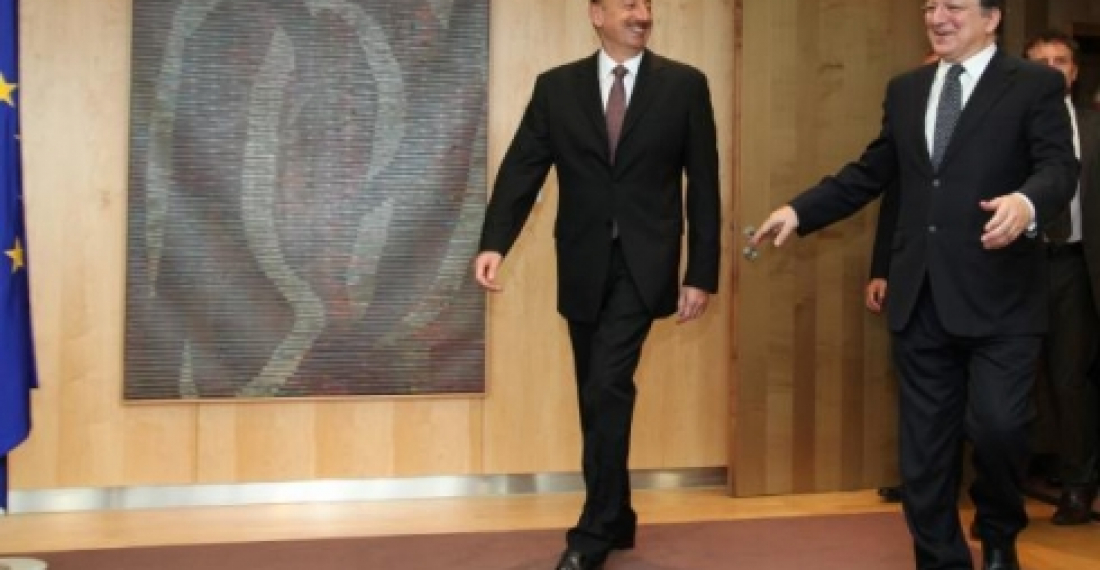
Фото: Президент Баррозу и президент Алиев в Брюсселе 21 июня 2013 года.
Related articles

Editor's choice
News
COP 17 in Armenia

COP 17 in Armenia

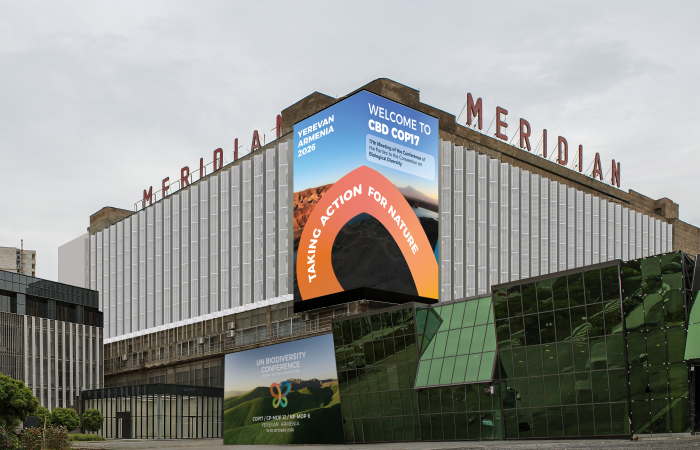
Armenia is currently hosting the COP17 conference of the Convention on Biological Diversity, which began earlier this week (19 October) and will run until 30 October, bringing around 15,000 participants from 196 different countries to Yerevan. At a leaders' summit held as part of COP17, Prime Minister Nikol Pashinyan expressed realistic ambitions: “We are halfway towards achieving these goals (Kunming-Montreal Global Biodiversity Framework), and we must honestly acknowledge that we are not yet moving in the right direction. Our task now is not to make new promises, but to fulfil the commitments we have already made.” Pashinyan pointed towards Armenia's own records, noting that the whitefish stock in Lake Sevan has increased substantially in the last ten years. Iranian President Masoud Pezeshkian and Georgian Prime Minister Irakli Kobakhidze also addressed the summit, with Turkiye sending its agriculture minister. However, there were no reports of Azerbaijani representatives attending. The conference has given Yerevan a valuable international platform, yet the absence of Azerbaijan is likely to be read as a sign that the peace process in the South Caucasus has not yet been translated into wider regional cooperation. The leaders' summit was opened by Armenian Prime Minister Nikol Pashinyan, who stressed that hosting the conference was a great honour for Armenia. He expressed hope that it would 'be productive and contribute to protecting our planet's biodiversity'. 'We – the citizens of Armenia, the government, state authorities and local governments – owe a debt to our nature,' the prime minister said. He noted that the international community had already developed the concept of 'living in harmony with nature’ and adopted the Kunming-Montreal Global Biodiversity Framework in 2022, setting out goals and specific targets to be achieved by 2030. 'We are halfway towards achieving these goals, and we must honestly acknowledge that we are not yet moving in the right direction. Our task now is not to make new promises, but to fulfil the commitments we have already made,' Nikol Pashinyan said. The COP17 conference is expected to adopt a declaration at leaders' level. More than 30 documents are scheduled for discussion. If approved, the commitments set out in them will become legally binding on countries that are parties to the Convention on Biological Diversity.”
Editor's choice
News
Landmines present to the European Union both a contradiction and a dilemma

Landmines present to the European Union both a contradiction and a dilemma

Finland’s decision to buy one million landmines creates a serious contradiction in the policy of the European Union, and is symbolic of a bigger dilemma facing European countries as they get used to the need to acquire “hard” power to face an increasing threat from Russia. Finland is seeking to acquire one million anti-personnel mines at a cost of 100 million euros. Finland, together with Poland, Latvia, Lithuania and Estonia last year abandoned the Ottawa agreement, the international framework that bans the use of anti-personnel mines, which the EU had been instrumental in establishing and supporting. All five countries cite the threat from Moscow as the reason. Colonel Riku Mikkonen of the Army Command told Finland’s national news agency STT that officials are now gathering information from suppliers regarding the deal, the AFP news agency reports. Helsinki would like domestic manufacturers to supply the mines, with contracts signed by the end of 2027 and production up and running by 2028. “It would be useful in many ways if Finnish companies produced the anti-personnel mines in Finland,” Mikkonen said. About half a dozen Finnish firms qualify, he told STT. “However, at this stage, buying the mines from abroad is not totally ruled out,” he added. LANDMINES PROVIDE THE EU WITH BOTH A CONTRADICTION, AND A DILEMMA Eliminating landmine contamination worldwide is one of the EU’s main soft power postures, and it basks in its record as the biggest funder of anti-landmine action in the world. But the fact that 5 of its 27 member states  have now left the Ottawa Treaty dents the EU moral high ground. It is a contradiction that is too big and important to be ignored. It also presents the European Union with a deeper dilemma. The threat from Russia is changing what the EU has stood for decades, namely a force for good able to mobilise its considerable soft power for the greater good of humanity. How the Union will implement this change will define its future. In the meantime landmines have not become any less lethal, benign, or unimportant. They remain in many parts of the world a major threat to life, an impediment to prosperity, and a potential trigger to further conflict. The 22 EU members states that still adhere to the Ottawa treaty must regroup, and be more assertive in their quest against anti-personnel land mines. All the reasons why they supported the Ottawa treaty in the first place still exist. The message must be clear: NO TO LANDMINES!

Popular

Editor's choice
Interview
Thursday Interview: Murad Muradov

Thursday Interview: Murad Muradov

Today, commonspace.eu starts a new regular weekly series. THURSDAY INTERVIEW, conducted by Lauri Nikulainen, will host  persons who are thinkers, opinion shapers, and implementors in their countries and spheres. We start the series with an interview with Murad Muradov, a leading person in Azerbaijan's think tank community. He is also the first co-chair of the Action Committee for a new Armenian-Azerbaijani Dialogue. Last September he made history by being the first Azerbaijani civil society activist to visit Armenia after the 44 day war, and the start of the peace process. Speaking about this visit Murad Muradov said: "My experience was largely positive. My negative expectations luckily didn’t play out. The discussions were respectful, the panel format bringing together experts from Armenia, Azerbaijan, and Turkey was particularly valuable during the NATO Rose-Roth Seminar in Yerevan, and media coverage, while varied in tone, remained largely constructive. Some media outlets though attempted to represent me as more of a government mouthpiece than an independent expert, which was totally misleading.  Overall, I see these initiatives as important steps in rebuilding trust and normalising professional engagement. The fact that soon a larger Azerbaijani civil society visits to Armenia followed, reinforces the sense that this process is moving in the right direction." (click the image to read the interview in full)