


Основан Конгресс женщин Южного Кавказа. "Наши первые шаги будут по-новому переоценены и мы проанализируем роль женщин в политических процессах."

Женский ресурсный центр (WRCA) из Армении, Ассоциация защиты прав женщин (AWPR) из Азербайджана и Женский политический ресурсный центр (WPRC) из Грузии организовали совместную пресс-конференцию в Тбилиси по случаю начала деятельности  Конгресса женщин Южного Кавказа - региональная организация, которая будет способствовать улучшению положения женщин и полового равенства в регионе.

Пресс-конференция состоялась после координационной встречи в Кахетии 16-21 марта, где эти три организации начали развивать женскую политическую платформу на Южном Кавказе в партнерстве с фондом Kvinna till Kvinna и при финансовой поддержке Министерства иностранных дел Голландии в рамках FLOW-гранта (финансирование лидерства и возможностей для женщин).

Объединяясь под общими ценностями полового равенства, солидарности и участия, политическая платформа женщин будет безопасным и надежным основанием для женщин, женских сообществ и других женских организаций на Южном Кавказе.

"Основная цель заключается в достижении эффективных результатов в продвижении прав женщин в регионе, обеспечения равного участия женщин в политических процессах, укрепление мира и увеличение плодотворного сотрудничества между женскими неправительственными организациями, местными органами власти и международными организациями", заявляет Лара Агаронян, основатель из Армения.

"В прошлом было много разных сообществ для женщин и женских групп, - говорит Лика Надариа, основатель из Грузии - но большинство из них были искусственно образованны и часто с давлением со стороны международных доноров, на этот раз ситуация отличается тем, что это органично формируется за счет наших искренних усилии, корни которых начинаются с 2006 года, и здесь будут объединены за одним столом женщины из разных организаций, женщины-политики и международные представители". Это идея раннее обсуждалась между тремя организациями-партнерами во время серий встреч в Стокгольме, а затем прирабатывалась в Стамбуле в 2010 году. "Женщины почти не представлены в политике с ее различными формальными институтами, у нас очень низкий уровень женских лиц, принимающих решения в наших соответствующих правительствах, и это негативно отражается на нашей политике и законодательстве", добавляет Новелла Джафарова, основатель из Азербайджана.

Конгресс женщин Южного Кавказа начинает свою работу в регионе, и открыт для всех желающих. "Наши первые шаги будут по-новому переоценены и мы проанализируем роль женщин в политических процессах в наших странах. Чтобы поделиться результатами и разработать общую стратегию мы планируем провести региональную конференцию осенью в Тбилиси", заявили учредители.

За более подробной информацией о Конгрессе женщин, пожалуйста, свяжитесь с вашим местным представителем:

Lika Nadaria (Georgia), phone:  +995599512514 email: l_nadaraia@wprc.org.ge

Novella Jafarova, (Azerbaijan) phone: +994503200113 email: novellajafarova@gmail.com

Lara Aharonian, (Armenia) phone: +37493992244 email:lara.aharonian@ymail.com

Источник: commonspace.eu по материалам Kvinna till Kvinna

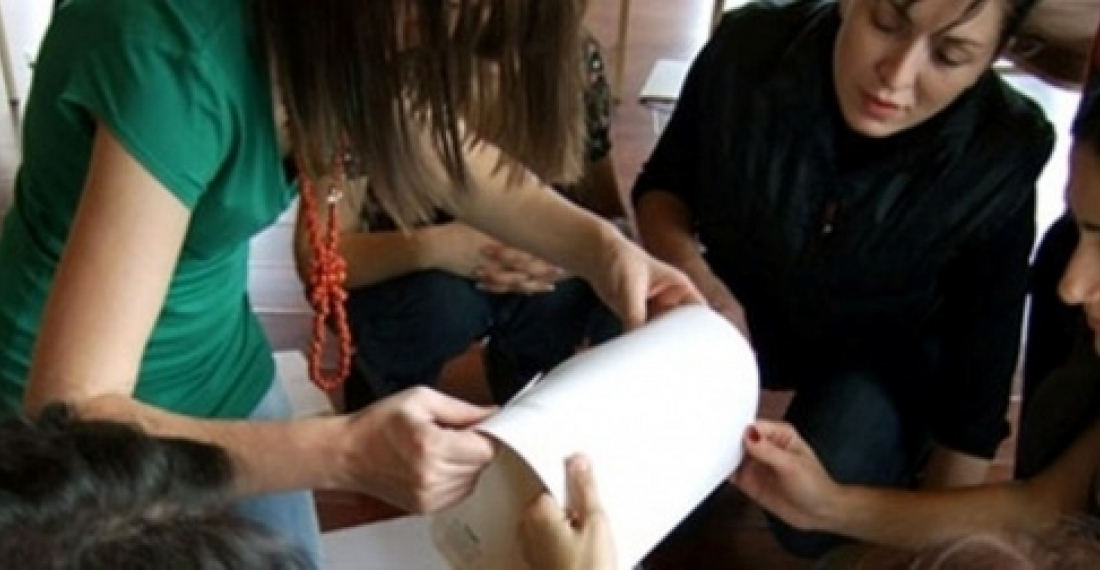
Фото: Женщины из Южного Кавказа в Стамбуле (фото любезно предоставлено Kvinna till Kvinna)

 

Related articles

Editor's choice
News
Thousands join Pope on his last day in Cameroon, his second stop on his African tour

Thousands join Pope on his last day in Cameroon, his second stop on his African tour

More than 120,000 people joined Pope Leo XIV in Cameroon for an open-air Mass on Friday (17 April), the biggest crowd so far during his 11-day Africa tour. Arriving in the economic city of Douala on Friday, the Pope reiterated his message of peace after visiting the country's Anglophone region hit by a decade-long rebellion the day before. He later warned of the dangers of artificial intelligence (AI), which he said was leading to the spread of "polarisation, conflict, fear and violence". Jubliant crowds welcomed the Pope as he arrived at the Japoma Stadium. Standing in his vehicle - known as the Popemobile - the pontiff waved at the droves of people waiting for his entrance. Some worshippers camped outside the premises on Thursday night in a bid to get a prime spot for the pontiff's address, with some having been there for more than 24 hours By Friday, tens of thousands of people of all ages, including several from the priesthood, braved the heat to participate in the occasion. “Do not give in to distrust and discouragement,” he said. “Reject every form of abuse or violence, which deceives by promising easy gains but hardens the heart and makes it insensitive. Do not forget that your people are even richer than this land, for your treasure lies in your values: faith, family, hospitality, and work.” Pope Leo invited African youth to follow the vocation that God sets out for them, so that they may be protagonists of their own future. “Do not let yourselves be corrupted by temptations that waste your energies and do not serve the progress of society,” he said.

Popular

Editor's choice
Interview
Thursday Interview: Murad Muradov

Thursday Interview: Murad Muradov

Today, commonspace.eu starts a new regular weekly series. THURSDAY INTERVIEW, conducted by Lauri Nikulainen, will host  persons who are thinkers, opinion shapers, and implementors in their countries and spheres. We start the series with an interview with Murad Muradov, a leading person in Azerbaijan's think tank community. He is also the first co-chair of the Action Committee for a new Armenian-Azerbaijani Dialogue. Last September he made history by being the first Azerbaijani civil society activist to visit Armenia after the 44 day war, and the start of the peace process. Speaking about this visit Murad Muradov said: "My experience was largely positive. My negative expectations luckily didn’t play out. The discussions were respectful, the panel format bringing together experts from Armenia, Azerbaijan, and Turkey was particularly valuable during the NATO Rose-Roth Seminar in Yerevan, and media coverage, while varied in tone, remained largely constructive. Some media outlets though attempted to represent me as more of a government mouthpiece than an independent expert, which was totally misleading.  Overall, I see these initiatives as important steps in rebuilding trust and normalising professional engagement. The fact that soon a larger Azerbaijani civil society visits to Armenia followed, reinforces the sense that this process is moving in the right direction." (click the image to read the interview in full)


