В Оксфордском университете прошли обсуждения по Южному Кавказу

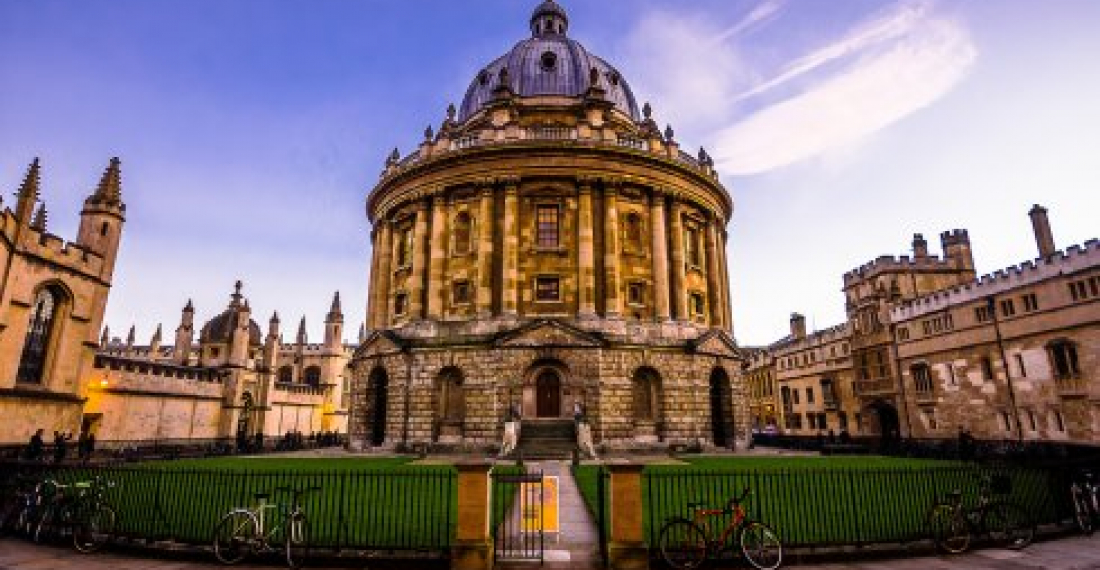
Более пятидесяти ученых, дипломатов, региональных экспертов и активистов из Южного Кавказа, Европы и остального мира собрались в Оксфорде 27-28 февраля на конференции под названием "Южный Кавказ в период меняющихся международных парадигм". На конференции, состоявшейся в Колледже Св Антония в Оксфорде была организована Оксфордским университетом и британской организацией LINKS.

Участников конференции приветствовал Дам Одри Гловер, который председательствовал в ходе первой сессии. Атанас Балтов, политический советник Специального представителя ЕС на Южном Кавказе, выступил со вступительным словом, в течение которого он особо отметил постоянный интерес ЕС и поддержку, оказываемую региону и странам Южного Кавказа. Он приветствовал инициативу организации мероприятия в Оксфорде в качестве практического вклада в поиск мира в регионе.

В ходе первой части конференции участники сосредоточились на международной обстановке и ее влиянии на регион. Сессию возглавил профессор Рой Эллисон из Оксфордского университета, в ходе которой с презентациями выступили Нил Мелвин из SIPRI, Стокгольм, профессор Павел Баев из PRIO, Осло, профессор Мустафа Айдын из Университета Kader Has, Эльдар Мамедов, политический советник группы социал-демократов в Европарламенте и Крейг Олифант из FPC в Лондоне.

Выступающие выразили обеспокоенность по поводу ситуации с безопасностью в ближайшем будущем, так как Запад отвлечен вопросом Brexit'а, а в Соединенных Штатах царит непредсказуемая политическая ситуация. Выступающие предупредили о последствиях возможного вакуума в регионе в условиях растущей российской напористости. Были подробно обсуждены роли Турции, Ирана, ЕС, США и Великобритании.

Вторая часть конференции была посвященна карабахскому конфликту и внутриполитической ситуации в Армении и Азербайджане. Панельная дискуссия под председательством профессора Нила Макфарлейна из Оксфордского университета включала в себя презентации д-ра Лоуренса Броерса из Chatham House, Хикмета Хаджиева, пресс-секретаря министерства иностранных дел Азербайджана, и Армена Лилояна, полномочного министра посольства Армении в Соединенном Королевстве.

Хикмет Хаджиев сказал, что международное сообщество не в состоянии оценить то, как ощущает угрозу Азербайджан. Ситуация на линии соприкосновения очень тяжелая, сто тысяч солдат смотрят друг на друга. По его словам, Армения перешла на устрашение с возможным вариантом упреждающего удара. В нынешней ситуации возможна как война, так и мир. Мирный вариант все еще возможен. Азербайджан четко дал понять, что на территории Азербайджана никогда не будет второго армянского государства, и Азербайджан предложил вариант автономной республики для Нагорного Карабаха. Хаджиев сказал, что нынешнее поколение обязано разрешить конфликт и не оставлять его решение будущим поколениям.

Со своей стороны Армен Лилоян заявил, что для армян Нагорный Карабах является экзистенциальной проблемой. Самоопределение является одним из основных прав, закрепленных в Уставе ООН. Боевые действия в апреле 2016 привели к зверствам против армян. По его словам, азербайджанские лидеры стали заложниками своей собственной риторики касательно использования силы. Лилоян сказал, что проблемой для достижения мира является доверие и политическая воля. Армен Лилоян отметил, что Армения поддерживает работу Минской группы в нынешнем формате. Они не могут разрешить конфликт, но они могут содействовать и способствовать достижению урегулирования.

Состоялась интересная дискуссия, и многие из присутствующих приветствовали её конструктивный тон и представленные конструктивные идеи.

За ней последовала другая сессия выступлений с участием д-ра Микаэла Золяна из RSC, Армения, Ахмада Алили из CESD в Баку и д-р Денниса Саммута из LINKS в Лондоне, которые уделили внимание внутренней политике в Армении и Азербайджане и ее влиянию на процесс разрешения карабахского конфликта, а также роль пострадавших от конфликта населения. Выступавшие сфокусировали свое внимание на текущих политических тенденциях, а также влиянии конфликта на политический дискурс. Была подчеркнута необходимость вовлечения большего числа представителей политических элит с тем, чтобы увеличить шансы успеха мирного процесса.

Заключительная сессия прошла под председательством д-ра Пола Чейсти из Оксфордского университета. Д-р Джордж Мчедлишвили из Тбилисского университета Черного моря, д-р Эдуард Абраамян из Еревана и профессор Мустафа Айдын размышляли о состоявшихся в течение дня обсуждениях, выделив некоторые из ключевых идей, озвученных раннее. За этим последовала оживленная дискуссия.

Мероприятие началось 27 февраля с докладом о грузинской политике от д-ра Джонатана Уитли из Oxford Brooks University.

Полный отчет о конференции будет размещена на commonspace.eu в ближайшее время

Источник: commonspace.eu

Related articles

Editor's choice
News
COP 17 in Armenia

COP 17 in Armenia

Armenia is currently hosting the COP17 conference of the Convention on Biological Diversity, which began earlier this week (19 October) and will run until 30 October, bringing around 15,000 participants from 196 different countries to Yerevan. At a leaders' summit held as part of COP17, Prime Minister Nikol Pashinyan expressed realistic ambitions: “We are halfway towards achieving these goals (Kunming-Montreal Global Biodiversity Framework), and we must honestly acknowledge that we are not yet moving in the right direction. Our task now is not to make new promises, but to fulfil the commitments we have already made.” Pashinyan pointed towards Armenia's own records, noting that the whitefish stock in Lake Sevan has increased substantially in the last ten years. Iranian President Masoud Pezeshkian and Georgian Prime Minister Irakli Kobakhidze also addressed the summit, with Turkiye sending its agriculture minister. However, there were no reports of Azerbaijani representatives attending. The conference has given Yerevan a valuable international platform, yet the absence of Azerbaijan is likely to be read as a sign that the peace process in the South Caucasus has not yet been translated into wider regional cooperation. The leaders' summit was opened by Armenian Prime Minister Nikol Pashinyan, who stressed that hosting the conference was a great honour for Armenia. He expressed hope that it would 'be productive and contribute to protecting our planet's biodiversity'. 'We – the citizens of Armenia, the government, state authorities and local governments – owe a debt to our nature,' the prime minister said. He noted that the international community had already developed the concept of 'living in harmony with nature’ and adopted the Kunming-Montreal Global Biodiversity Framework in 2022, setting out goals and specific targets to be achieved by 2030. 'We are halfway towards achieving these goals, and we must honestly acknowledge that we are not yet moving in the right direction. Our task now is not to make new promises, but to fulfil the commitments we have already made,' Nikol Pashinyan said. The COP17 conference is expected to adopt a declaration at leaders' level. More than 30 documents are scheduled for discussion. If approved, the commitments set out in them will become legally binding on countries that are parties to the Convention on Biological Diversity.”
Editor's choice
News
Landmines present to the European Union both a contradiction and a dilemma

Landmines present to the European Union both a contradiction and a dilemma

Finland’s decision to buy one million landmines creates a serious contradiction in the policy of the European Union, and is symbolic of a bigger dilemma facing European countries as they get used to the need to acquire “hard” power to face an increasing threat from Russia. Finland is seeking to acquire one million anti-personnel mines at a cost of 100 million euros. Finland, together with Poland, Latvia, Lithuania and Estonia last year abandoned the Ottawa agreement, the international framework that bans the use of anti-personnel mines, which the EU had been instrumental in establishing and supporting. All five countries cite the threat from Moscow as the reason. Colonel Riku Mikkonen of the Army Command told Finland’s national news agency STT that officials are now gathering information from suppliers regarding the deal, the AFP news agency reports. Helsinki would like domestic manufacturers to supply the mines, with contracts signed by the end of 2027 and production up and running by 2028. “It would be useful in many ways if Finnish companies produced the anti-personnel mines in Finland,” Mikkonen said. About half a dozen Finnish firms qualify, he told STT. “However, at this stage, buying the mines from abroad is not totally ruled out,” he added. LANDMINES PROVIDE THE EU WITH BOTH A CONTRADICTION, AND A DILEMMA Eliminating landmine contamination worldwide is one of the EU’s main soft power postures, and it basks in its record as the biggest funder of anti-landmine action in the world. But the fact that 5 of its 27 member states  have now left the Ottawa Treaty dents the EU moral high ground. It is a contradiction that is too big and important to be ignored. It also presents the European Union with a deeper dilemma. The threat from Russia is changing what the EU has stood for decades, namely a force for good able to mobilise its considerable soft power for the greater good of humanity. How the Union will implement this change will define its future. In the meantime landmines have not become any less lethal, benign, or unimportant. They remain in many parts of the world a major threat to life, an impediment to prosperity, and a potential trigger to further conflict. The 22 EU members states that still adhere to the Ottawa treaty must regroup, and be more assertive in their quest against anti-personnel land mines. All the reasons why they supported the Ottawa treaty in the first place still exist. The message must be clear: NO TO LANDMINES!

Popular

Editor's choice
Interview
Thursday Interview: Murad Muradov

Thursday Interview: Murad Muradov

Today, commonspace.eu starts a new regular weekly series. THURSDAY INTERVIEW, conducted by Lauri Nikulainen, will host  persons who are thinkers, opinion shapers, and implementors in their countries and spheres. We start the series with an interview with Murad Muradov, a leading person in Azerbaijan's think tank community. He is also the first co-chair of the Action Committee for a new Armenian-Azerbaijani Dialogue. Last September he made history by being the first Azerbaijani civil society activist to visit Armenia after the 44 day war, and the start of the peace process. Speaking about this visit Murad Muradov said: "My experience was largely positive. My negative expectations luckily didn’t play out. The discussions were respectful, the panel format bringing together experts from Armenia, Azerbaijan, and Turkey was particularly valuable during the NATO Rose-Roth Seminar in Yerevan, and media coverage, while varied in tone, remained largely constructive. Some media outlets though attempted to represent me as more of a government mouthpiece than an independent expert, which was totally misleading.  Overall, I see these initiatives as important steps in rebuilding trust and normalising professional engagement. The fact that soon a larger Azerbaijani civil society visits to Armenia followed, reinforces the sense that this process is moving in the right direction." (click the image to read the interview in full)