Лукашенко: Конфликты на пространстве СНГ должны быть решены, исходя из интересов людей

Президент Беларуси Александр Лукашенко призвал Содружество Независимых Государств работать над решением конфликтов на своем пространстве. В честь Содружества Независимых Государств следовало бы поставить памятник, если бы оно решило проблему Приднестровья, Нагорного Карабаха или Донбасса, сказал Лукашенко в интервью телекомпании «Мир», которое цитирует информационное агентство «БелТА».

Говоря о будущем Содружества Независимых Государств, глава белорусского государства отметил, что предложенные реформы кажутся незначительными на фоне существующих проблем. Например, можно ли сравнивать попытки сделать более эффективным аппарат Содружества с существующими конфликтами между государствами? "Если бы мы в рамках СНГ решили приднестровскую проблему, Нагорного Карабаха проблему, проблему Донбасса в Украине, тогда надо где-то в центре евразийского пространства поставить памятник Содружеству Независимых Государств. Но мы же этого не делаем. И порой не делаем не потому, что нельзя сделать, а потому что разные интересы. А проблему решать надо", - заявил Александр Лукашенко.

Александр Лукашенко считает, что при разрешении данных конфликтов необходимо исходить из интересов людей. "В Нагорном Карабахе что, люди хорошо живут, постоянно подвергаясь определенным военным проблемам? Они просто живут и ждут, что завтра что-то случится, не дай бог, бомба на голову упадет. Это нормально? Это ненормально! Кому это выгодно? Никому!" - подчеркнул он. "Надо решить вот эти вопросы, которые лежат на поверхности в СНГ, прежде чем заглядывать в будущее, - считает глава государства. - И, решая эти вопросы, мы увидим новые стратегические направления, по которым нам надо будет действовать".

источник: commonspace.eu по материалу информационного агентства BeLTA, Минск

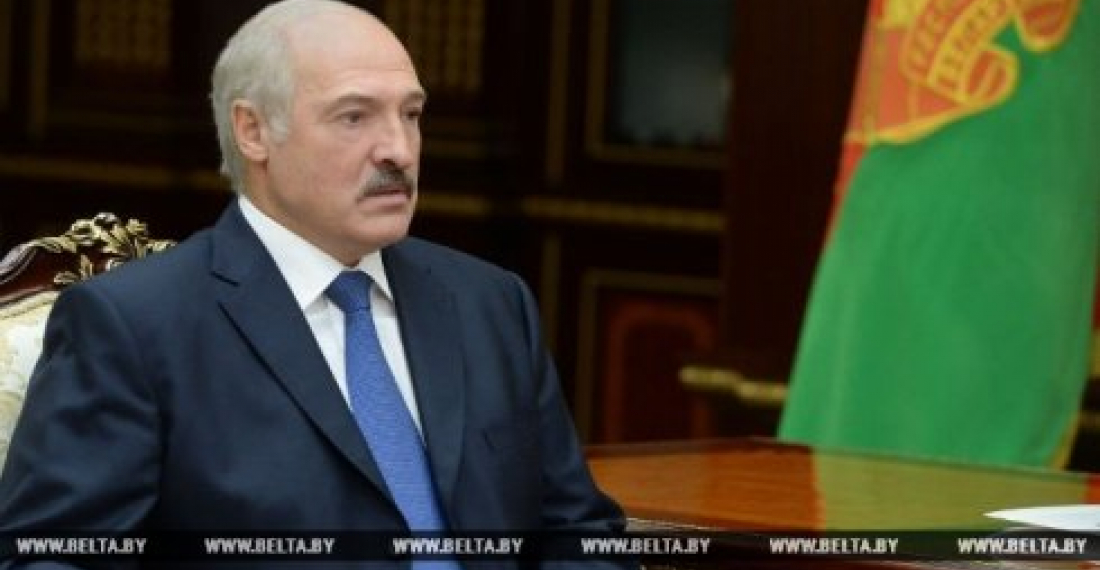
фото: Президент Беларуси Александр Лукашенко (фото из архива)
 

Related articles

Editor's choice
News
The British prime minister says Europe must "stand on its own two feet" when it comes to defence

The British prime minister says Europe must "stand on its own two feet" when it comes to defence

The UK will deploy a carrier strike group, led by the aircraft carrier HMS Prince of Wales to the Arctic and the High North as part of efforts to bolster security against Russian threats. British prime minister, Sir Keir Starmer announced the deployment in a speech on Saturday (14 February) at the Munich Security Conference. Europe must be ready to fight to protect its people, values, and way of life,  Sir Keir told the Conference. Starmer also called for deeper links and cooperation, including economic ties, between the UK and EU. The PM stressed the continent must "stand on its own two feet" when it comes to defence commitments. "We must build our hard power, because that is the currency of the age," he told the conference. (Click image to read the full story).

Popular

Editor's choice
Interview
Thursday Interview: Murad Muradov

Thursday Interview: Murad Muradov

Today, commonspace.eu starts a new regular weekly series. THURSDAY INTERVIEW, conducted by Lauri Nikulainen, will host  persons who are thinkers, opinion shapers, and implementors in their countries and spheres. We start the series with an interview with Murad Muradov, a leading person in Azerbaijan's think tank community. He is also the first co-chair of the Action Committee for a new Armenian-Azerbaijani Dialogue. Last September he made history by being the first Azerbaijani civil society activist to visit Armenia after the 44 day war, and the start of the peace process. Speaking about this visit Murad Muradov said: "My experience was largely positive. My negative expectations luckily didn’t play out. The discussions were respectful, the panel format bringing together experts from Armenia, Azerbaijan, and Turkey was particularly valuable during the NATO Rose-Roth Seminar in Yerevan, and media coverage, while varied in tone, remained largely constructive. Some media outlets though attempted to represent me as more of a government mouthpiece than an independent expert, which was totally misleading.  Overall, I see these initiatives as important steps in rebuilding trust and normalising professional engagement. The fact that soon a larger Azerbaijani civil society visits to Armenia followed, reinforces the sense that this process is moving in the right direction." (click the image to read the interview in full)