


Европейский Суд вынес решение по делу армянского беженца

Сегодня Верховная палата ЕСПЧ вынесла решение по делу Саргсян против Азербайджана (заявление №40167/06) по вопросу о компенсации. Суд единогласно постановил, что правительство Азербайджана должно выплатить заявителю 5,000 евро за материальный и нематериальный ущерб и 30,000 евро в виде расходов и издержек.

Дело касалось жалобы армянского беженца, который во время конфликта в 1992 году вокруг Нагорного Карабаха был вынужден покинуть свой дом в Шаумянском районе Азербайджана, и ему было отказано в праве вернуться в свою деревню и получить доступ к его имуществу там. Суд отметил, что принцип субсидиарности лежит в основе системы Европейской конвенции о правах человека. Армения и Азербайджан взяли соответствующие обязательства перед их присоединением к Совету Европы по мирному урегулированию нагорно-карабахского конфликта.

Суд подчеркивает, что их ответственность заключается в том, чтобы найти решение конфликту на политическом уровне. Суд также отметил, что ущерб не поддается точному подсчету. Есть определенные трудности в оценке ущерба, полученного с течением времени: элемент времени сделал связь между нарушением Конвенции и ущербом менее определенным. В заключение Суд подчеркнул ответственность двух заинтересованных государств за решение проблемы нагорно-карабахского конфликта. До решения на политическом уровне Суд счел уместным присудить заявителю совокупную сумму за материальный и моральный ущерб.

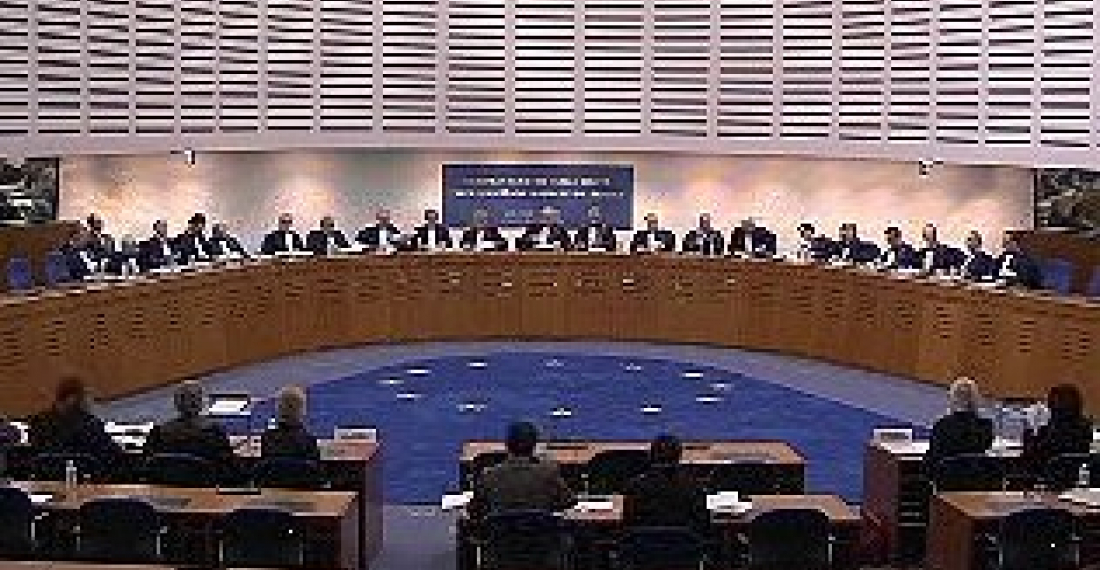
Решения Верховной Палаты являются окончательными. Верховная Палата, вынесшая решение, состояла из 17 судей, возглавляемых итальянским судьей Гвидо Раймонди.

Вы можете узнать больше об этом решении на веб-странице Европейского Суда по правам человека здесь

источник: commonspace.eu по материалам пресс-службы Европейского Суда по правам человека

фото: Верховная Палата Европейского суда по правам человека

 

Related articles

Editor's choice
News
The British prime minister says Europe must "stand on its own two feet" when it comes to defence

The British prime minister says Europe must "stand on its own two feet" when it comes to defence

The UK will deploy a carrier strike group, led by the aircraft carrier HMS Prince of Wales to the Arctic and the High North as part of efforts to bolster security against Russian threats. British prime minister, Sir Keir Starmer announced the deployment in a speech on Saturday (14 February) at the Munich Security Conference. Europe must be ready to fight to protect its people, values, and way of life,  Sir Keir told the Conference. Starmer also called for deeper links and cooperation, including economic ties, between the UK and EU. The PM stressed the continent must "stand on its own two feet" when it comes to defence commitments. "We must build our hard power, because that is the currency of the age," he told the conference. (Click image to read the full story).

Popular

Editor's choice
Interview
Thursday Interview: Murad Muradov

Thursday Interview: Murad Muradov

Today, commonspace.eu starts a new regular weekly series. THURSDAY INTERVIEW, conducted by Lauri Nikulainen, will host  persons who are thinkers, opinion shapers, and implementors in their countries and spheres. We start the series with an interview with Murad Muradov, a leading person in Azerbaijan's think tank community. He is also the first co-chair of the Action Committee for a new Armenian-Azerbaijani Dialogue. Last September he made history by being the first Azerbaijani civil society activist to visit Armenia after the 44 day war, and the start of the peace process. Speaking about this visit Murad Muradov said: "My experience was largely positive. My negative expectations luckily didn’t play out. The discussions were respectful, the panel format bringing together experts from Armenia, Azerbaijan, and Turkey was particularly valuable during the NATO Rose-Roth Seminar in Yerevan, and media coverage, while varied in tone, remained largely constructive. Some media outlets though attempted to represent me as more of a government mouthpiece than an independent expert, which was totally misleading.  Overall, I see these initiatives as important steps in rebuilding trust and normalising professional engagement. The fact that soon a larger Azerbaijani civil society visits to Armenia followed, reinforces the sense that this process is moving in the right direction." (click the image to read the interview in full)


