


Азербайджан и Туркменистан хотят превратить Каспийское море в "арену широкого международного партнерства"

В среду утром президент Туркменистана Гурбангулы Бердымухамедов завершил официальный визит в Азербайджан и вернулся в Ашхабад. Вчера президент провел встречи со своим азербайджанским коллегой Ильхамом Алиевым и другими азербайджанскими официальными лицами. Обе стороны приветствовали уровень отношений между двумя странами и заявили, что довольны результатами визита.

Во вторник, в ходе пресс-конференции в Баку, президент Бердымухамедов заявил:

"Сегодня между Туркменистаном и Азербайджаном были проведены переговоры на самом высоком уровне. На этих встречах были обсуждены состояние и перспективы двусторонних отношений, вопросы региональной и международной политики, определены конкретные направления нашего взаимодействия. Особо отмечаю конструктивный и содержательный характер переговоров, прошедших в традиционной атмосфере взаимного доверия и открытости между двумя странами. В ходе встреч мы высоко оценили нынешний уровень двустороннего диалога, проводимого сегодня во всех направлениях - политической, экономической, культурной, гуманитарной сферах. Наши связи с Азербайджаном развиваются динамично и по восходящей на основе принципов взаимного уважения, равноправия и взаимовыгодного сотрудничества."

"Обе страны выступают за превращение Прикаспийского пространства в источник долговременной стабильности в Евразии, арену широкого международного партнерства," - добавил он.

Со своей стороны, президент Алиев отметил, что народы Туркменистана и Азербайджана связаны исторически:

"Наши народы объединяет история. Мы веками жили вместе, в условиях братства, дружили. А сегодня мы успешно развиваемся как два независимых государства. Ваш визит придаст новую динамику нашим связям. Мы очень успешно сотрудничаем в ряде сфер, и это сотрудничество будет углубляться. Мы придаем очень большое значение вашему визиту. Уверен, что визит сыграет значимую роль в развитии туркменистано-азербайджанских отношений."

Президент Азербайджана также сказал, что "имеются очень хорошие возможности для развития и сотрудничества в политической, экономической, гуманитарной, культурной, транспортной и других сферах."

источник: commonspace.eu по материалам АПА и других агентств

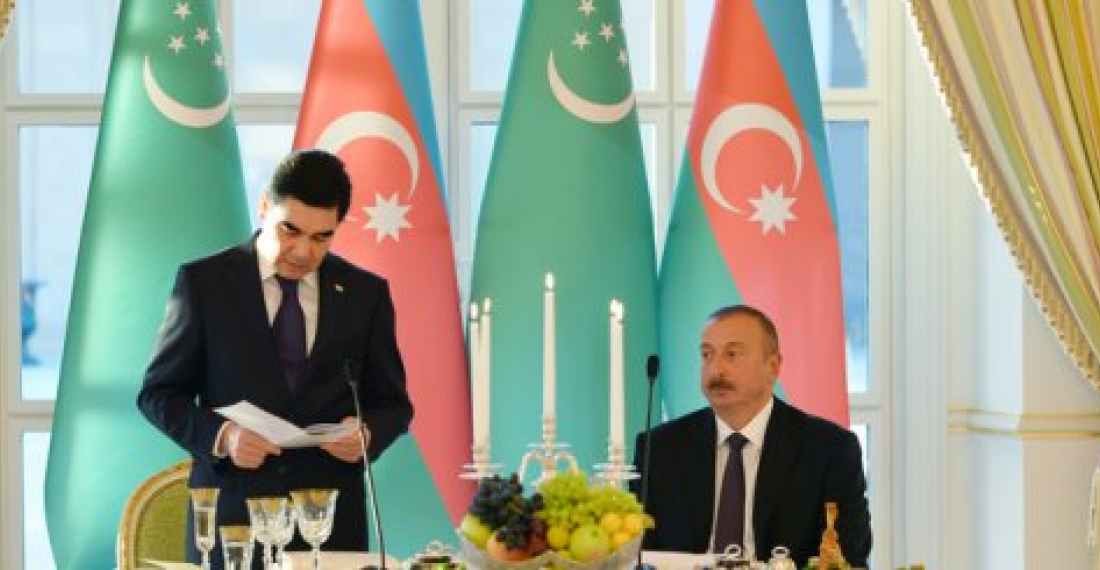
фото: Президент Алиев и президент Бердымухамедов на официальном ужине в честь визита президента Туркменистана, состоявшегося 7 августа 2017 года в Баку (фото предоставлено пресс-службой президента Азербайджана).


Related articles

Editor's choice
News
Borrell tells the European Parliament that the situation in Afghanistan was critical, but the EU will remain engaged

Borrell tells the European Parliament that the situation in Afghanistan was critical, but the EU will remain engaged

Borrell underlined that the European Union will make every effort to support the peace process and to remain a committed partner to the Afghan people. "Of course, we will have to take into account the evolving situation, but disengagement is not an option.  We are clear on that: there is no alternative to a negotiated political settlement, through inclusive peace talks.
Editor's choice
News
Germany will soon have the largest conventional army in Europe, but there will be no conscription

Germany will soon have the largest conventional army in Europe, but there will be no conscription

The Bundeswehr currently has around 182,000 troops. The new military service model aims to increase that number by 20,000 over the next year, rising to between 255,000 and 260,000 over the next 10 years, supplemented by approximately 200,000 reservists. From next year, all 18-year-old men and women will be sent a questionnaire to assess their interest and willingness to join the armed forces. It will be mandatory for men and voluntary for women. From July 2027 all men aged 18 will also have to take a medical exam to assess their fitness for duty. If the government's targets are not met, a form of compulsory enlistment could be considered by parliament. If war were to break out, the military would be able to draw on the questionnaires and medical exams for potential recruits. Defence Minister Boris Pistorius said despite the new military service plan there was "no cause for concern... no reason for fear". "The more capable of deterrence and defence our armed forces are, through armament through training and through personnel, the less likely it is that we will become a party to a conflict at all," Pistorius said. Defence spending in Germany tumbled after the end of the Cold War, while conscription was suspended in 2011. Given its past, Germany has long been shy of showing military might, but earlier this year Friedrich Merz announced that the rule for German defence "now has to be whatever it takes", following Russia's full-scale invasion of Ukraine. Around 300,000 young men per year will be affected. The defense minister argues that this is the only way for the Bundeswehr to get an idea of who could be called up in the event of a conflict.

Popular

Editor's choice
News
Germany will soon have the largest conventional army in Europe, but there will be no conscription

Germany will soon have the largest conventional army in Europe, but there will be no conscription

The Bundeswehr currently has around 182,000 troops. The new military service model aims to increase that number by 20,000 over the next year, rising to between 255,000 and 260,000 over the next 10 years, supplemented by approximately 200,000 reservists. From next year, all 18-year-old men and women will be sent a questionnaire to assess their interest and willingness to join the armed forces. It will be mandatory for men and voluntary for women. From July 2027 all men aged 18 will also have to take a medical exam to assess their fitness for duty. If the government's targets are not met, a form of compulsory enlistment could be considered by parliament. If war were to break out, the military would be able to draw on the questionnaires and medical exams for potential recruits. Defence Minister Boris Pistorius said despite the new military service plan there was "no cause for concern... no reason for fear". "The more capable of deterrence and defence our armed forces are, through armament through training and through personnel, the less likely it is that we will become a party to a conflict at all," Pistorius said. Defence spending in Germany tumbled after the end of the Cold War, while conscription was suspended in 2011. Given its past, Germany has long been shy of showing military might, but earlier this year Friedrich Merz announced that the rule for German defence "now has to be whatever it takes", following Russia's full-scale invasion of Ukraine. Around 300,000 young men per year will be affected. The defense minister argues that this is the only way for the Bundeswehr to get an idea of who could be called up in the event of a conflict.

