


4 апреля Международный день просвещения по вопросам минной опасности и помощи в деятельности, связанной с разминированием

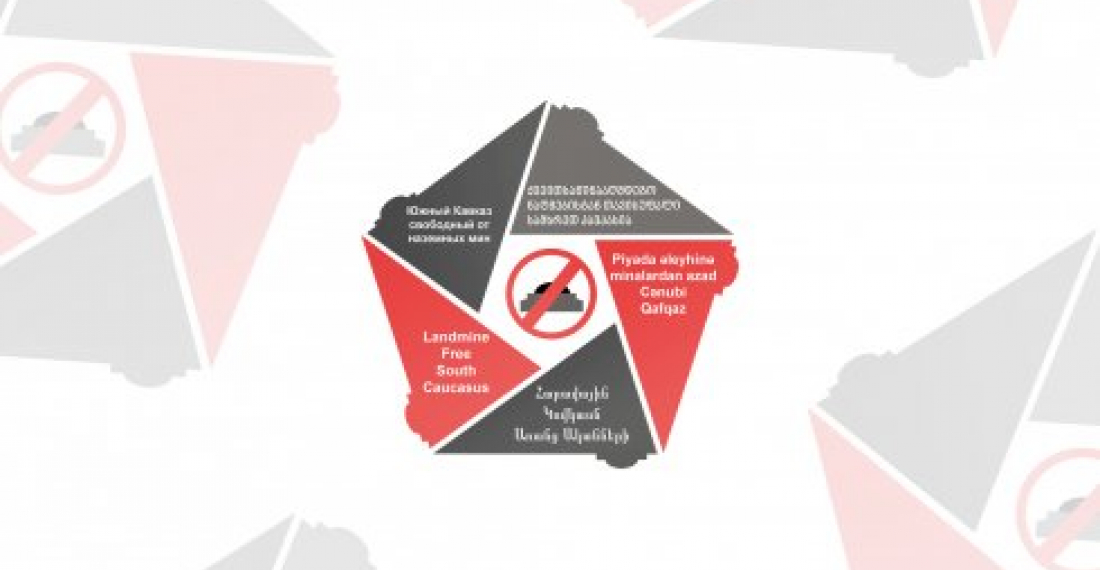
Заявление в рамках кампании "Южный Кавказ свободный от противопехотных мин".

В 2005 году Организация Объединенных Наций объявила 4 апреля ежегодным Международным днем ​​информирования о минной опасности и помощи в разминировании:

«... для продолжения усилий государств при содействии Организации Объединенных Наций и соответствующих организаций, участвующих в деятельности, связанной с разминированием, в зависимости от обстоятельств, для содействия созданию и развитию национального потенциала по разминированию в странах, в которых имеются мины и взрывчатые вещества, пережитки войны, представляющие серьезную угрозу безопасности, здоровью и жизни местного гражданского населения или препятствующие усилиям по социально-экономическому развитию на национальном и местном уровнях».

На этот раз в прошлом году этот день впервые был отмечен на Южном Кавказе общерегиональной кампанией с общей темой и идеей. Кампания "Южный Кавказ свободный от противопехотных мин" 2019 повысила осведомленность о региональном контексте остающихся бедствий наземных мин и неразорвавшихся боеприпасов на Южном Кавказе. Она сумела собрать правительственных чиновников и представителей национальных, международных и неправительственных организаций на встречах в Баку, Ереване и Тбилиси. И через серию публичных мероприятий она сумела донести сообщение о рисках, связанных с наземными минами, для детей, молодежи и других уязвимых групп, живущих в районах, которые все еще остаются заминированными. К концу недельной кампании в социальных сетях приняли участие более 400 000 человек со всего региона.

В этом году мир столкнулся с еще одной неотложной проблемой - пандемией COVID-19. В свете этого мероприятия по кампании Южный Кавказ свободный от противопехотных мин 2020, которые должны были состояться в течение следующих трех месяцев, будут перенесены на более поздний срок. На данный момент мы хотели бы предложить нашу поддержку всем тем, кто работает в разных секторах и по всему миру, для борьбы с вирусом, обеспечения безопасности наших обществ и возвращения нас в нормальное состояние.

Несмотря на отсрочку кампании этого года, важно помнить, что на Южном Кавказе существуют реальные проблемы, связанные с наземными минами и неразорвавшимися боеприпасами, которые ежедневно влияют на жизнь людей. С 1990-х годов тысячи людей в регионе были убиты или ранены в результате прямого взрывного загрязнения, причем большинство из них являются гражданскими лицами. Эти устройства не только калечат и убивают, но и ограничивают возделывание земель, что ограничивает экономику сельского хозяйства.

Договор о запрещении противопехотных мин («Оттавский договор») от 1999 года, запрещающий использование, накопление запасов, производство и передачу противопехотных мин, а также обязательное их уничтожение. В настоящее время 164 стран официально присоединились к договору; Однако это не относится к трем странам Южного Кавказа - Армении, Азербайджану и Грузии. Мы с оптимизмом ожидаем присоединения всех трех к договору в будущем. Несмотря на это, кампания Южный Кавказ свободный от противопехотных мин отмечает тяжелую и опасную работу тех на Южном Кавказе, кто стремится каждый день очистить регион от наземных мин и неразорвавшихся пережитков войны.

источник: LINKS Europe (www.links-europe.eu)

 

Related articles

Editor's choice
News
Borrell tells the European Parliament that the situation in Afghanistan was critical, but the EU will remain engaged

Borrell tells the European Parliament that the situation in Afghanistan was critical, but the EU will remain engaged

Borrell underlined that the European Union will make every effort to support the peace process and to remain a committed partner to the Afghan people. "Of course, we will have to take into account the evolving situation, but disengagement is not an option.  We are clear on that: there is no alternative to a negotiated political settlement, through inclusive peace talks.
Editor's choice
News
Germany accuses Russia of cyberattacks and disinformation campaign

Germany accuses Russia of cyberattacks and disinformation campaign

The German government holds Russia responsible for a cyberattack on German air traffic control, and for targeted disinformation campaigns before the last federal election. According to the German Foreign Office in Berlin, the incidents could be clearly attributed to the Russian military intelligence service, the GRU. In response, the Russian ambassador to Berlin was summoned to the Foreign Ministry. "We have been observing a massive increase in threatening hybrid activities by Russia for some time now," a spokesperson for the Foreign Ministry stated. These range from disinformation campaigns and espionage to cyberattacks and sabotage attempts. The aim is to divide society, sow distrust, and undermine confidence in democratic institutions. The spokesperson added that with these actions, Russia is "very concretely threatening our security, not only through its war of aggression against Ukraine, but also here in Germany."  The Foreign Ministry spokesperson explained that the cyberattack on air traffic control in August 2024 was clearly attributed to the hacker collective "APT28," known as "Fancy Bear," and to the responsibility of the Russian military intelligence service, the GRU. Furthermore, it could now be "conclusively stated" that Russia had attempted "to influence and destabilize both the last Federal election and the ongoing internal affairs of the Federal Republic of Germany." There was "absolutely irrefutable evidence" for this". The so-called "Storm 1516" campaign, which has been running since 2024, is allegedly backed by "reliable information" that the Moscow-based think tank "Center for Geopolitical Expertise" is behind it. The Center is also said to be supported by Russian military intelligence. Its primary aim is to influence democratic elections in the West. (Click the image to read more).

Popular

Editor's choice
News
Germany accuses Russia of cyberattacks and disinformation campaign

Germany accuses Russia of cyberattacks and disinformation campaign

The German government holds Russia responsible for a cyberattack on German air traffic control, and for targeted disinformation campaigns before the last federal election. According to the German Foreign Office in Berlin, the incidents could be clearly attributed to the Russian military intelligence service, the GRU. In response, the Russian ambassador to Berlin was summoned to the Foreign Ministry. "We have been observing a massive increase in threatening hybrid activities by Russia for some time now," a spokesperson for the Foreign Ministry stated. These range from disinformation campaigns and espionage to cyberattacks and sabotage attempts. The aim is to divide society, sow distrust, and undermine confidence in democratic institutions. The spokesperson added that with these actions, Russia is "very concretely threatening our security, not only through its war of aggression against Ukraine, but also here in Germany."  The Foreign Ministry spokesperson explained that the cyberattack on air traffic control in August 2024 was clearly attributed to the hacker collective "APT28," known as "Fancy Bear," and to the responsibility of the Russian military intelligence service, the GRU. Furthermore, it could now be "conclusively stated" that Russia had attempted "to influence and destabilize both the last Federal election and the ongoing internal affairs of the Federal Republic of Germany." There was "absolutely irrefutable evidence" for this". The so-called "Storm 1516" campaign, which has been running since 2024, is allegedly backed by "reliable information" that the Moscow-based think tank "Center for Geopolitical Expertise" is behind it. The Center is also said to be supported by Russian military intelligence. Its primary aim is to influence democratic elections in the West. (Click the image to read more).


