МНЕНИЕ: Денис Хоги: "Азербайджан не решит конфликт в Карабахе путем новой войны"
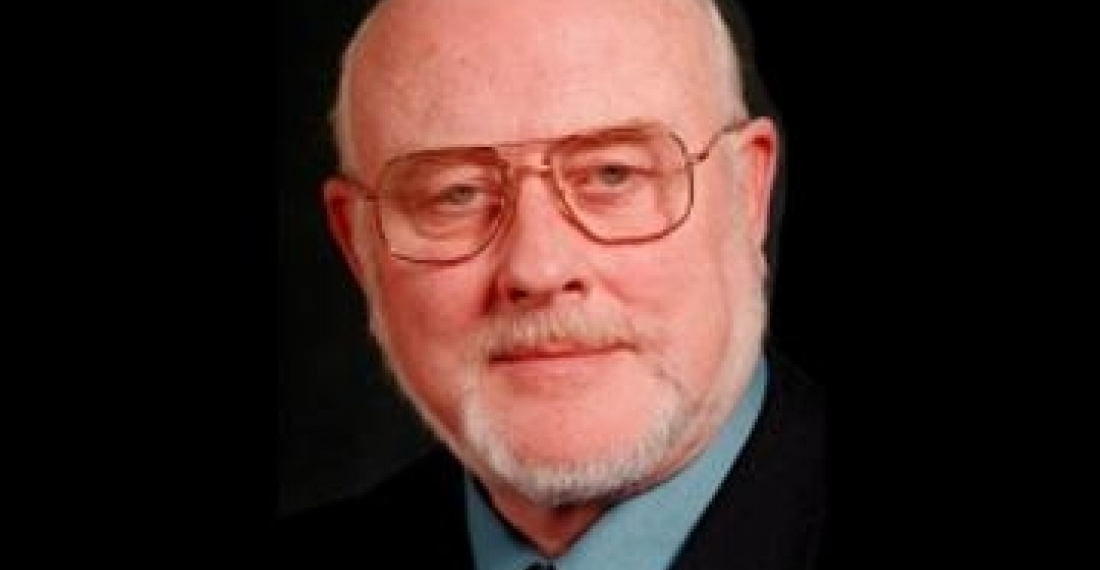
Вы возглавляли в свое время делегацию по мирным переговорам в Северной Ирландии, у Вас большой опыт в сфере миротворчества. Весной этого года побывали в Армении, какова Ваша оценка процесса переговоров по Карабаху, на каком этапе находятся стороны, какие перед ними сложности и как их можно преодолеть?

Я видел только одну сторону конфликта, я был в Армении, но не был в Степанакерте, не был в Азербайджане. Я знаю, многие люди в Армении осознают, что нынешнюю ситуацию со статус-кво в Карабахе невозможно долго поддерживать, ей должно быть найдено решение. Я думаю, что многие в Азербайджане тоже так полагают, такая ситуация не может быть удовлетворительной, она должна быть разрешена.

Дело в том, что баланс сил с 90-х годов между Арменией и Азербайджаном изменился благодаря тому, что в странах развилась разная экономическая динамика. Я надеюсь, что это не подстегнет ситуацию к разрешению конфликта.

Вы имеете ввиду военным путем?

Да. С твердой убежденностью хотел бы заявить, что война не сможет решить такую проблему, как Нагорный Карабах. Война лишь усугубит ситуацию, создаст новые проблемы, отнимет время и разрушит жизни всех последующих поколений. В конце концов, стороны будут вынуждены признать следующее: Мы все еще живы, и нам нужно подумать над другими решениями конфликта.  

Учитывая Ваш собственный опыт посредника и в тоже время непосредственно заинтересованного лица, как Вы считаете, могут ли посредники подтолкнуть стороны к заключению соглашения, к которому они, в общем-то, не проявляют желания?

Ситуация в Армении и в Азербайджане не полностью схожа с той, которая сложилась тут, в Северной Ирландии. Я знаю, что у армян есть огромная диаспора по всему миру, что является важным политическим фактором в решении карабахского конфликта.

В конфликте в Северной Ирландии значительную роль сыграла ирландская диаспора в США численностью 15 миллионов. Будучи националистами, ирландская диаспора осознала, тем не менее, необходимость прислушаться и к другой стороне. Тогда президент Клинтон направил своего посланника в качестве посредника, сенатора Джорджа Митчелла, и он внес серьезный вклад в процесс мирного урегулирования в Северной Ирландии.

Поэтому посредничество в рамках международных усилий очень важно. И дружелюбные страны, хотя они отличаются по своему видению результатов переговоров, могут оказать поддержку и помощь, а постоянное влияние на переговоры будет только благотворно влиять на процесс.

Стороны конфликта часто рассуждают на тему о том, кто прав, кто виноват, что не способствует, в принципе, тому, чтобы готовить стороны к компромиссу…


Все верно, подход, при котором подчеркивается, что одна сторона права, другая - нет, неверный. В конфликте две стороны. Пока одна сторона уверена, что она абсолютно права и ее требования законны, другая сторона также яростно защищает свою точку зрения. Поэтому, если мы хотим решить проблему, мы должны прекратить идентифицировать себя с одной стороной.

Нагорный Карабах не участвует в процессе переговоров, подобная тактика может быть как-то оправдана и результативна?

Если вы работаете в направлении приемлемого для всех сторон решения конфликта, тогда каждая сторона, которая вовлечена в него, должна принимать участие в процессе его урегулирования. 

Переговоры будут иметь ограниченные возможности для прогресса, если только народу Нагорного Карабаха не предоставят площадку, и его голос не будет услышан. Карабах долгое время входил в состав Азербайджана и должен был бы иметь тесные связи с Азербайджаном. Но люди, которые живут там - армяне, и соотносят себя с Арменией.

В Северной Ирландии была похожая ситуация, когда большинство населения были британцы, остальные причисляли себя к Ирландии. Мы пришли к соглашению, которое удовлетворяло обе стороны. Азербайджанцы и власти Азербайджана считают, что Нагорный Карабах часть их территории, я бы предложил найти вам такую нишу, чтобы как-то кооперировать с этим утверждением. Это решение вовсе не вне человеческого понимания, можно найти такие рамки, чтобы приспособится к реалиям. Люди в Нагорном Карабахе идентифицируют себя с Арменией, поэтому эти рамки должны включать в себя отношения с Азербайджаном и Арменией, и давать некоторую собственную автономию. Это мысли вслух человека со стороны. У меня нет абсолютного решения, которое можно было бы предписать.

Беседовала Оксана Мусаелян,

АрмИнфо, Белфаст, Северная Ирландия, 06.12.11.

Related articles

Editor's choice
News
Israel destroys 17 UNIFIL Cameras

Israel destroys 17 UNIFIL Cameras

Israeli forces destroyed 17 surveillance cameras linked to the United Nations peacekeepers’ main headquarters in southern Lebanon in 24 hours, a UN security official told AFP on Saturday. Since the start of the Israel-Hezbollah war on March 2, the UN Interim Force in Lebanon (UNIFIL) has been caught in the crossfire in the country’s south, with Hezbollah launching attacks on Israel and its troops, and Israeli forces pushing into border towns. The official, who requested anonymity, said “17 of the headquarters’ cameras have been destroyed by the Israeli army” in the coastal town of Naqura. UNIFIL spokeswoman Kandice Ardiel told AFP on Saturday that “the cameras appear to have been destroyed by some kind of laser.” She added that “(Israeli) soldiers are present in Naqura and have been undertaking massive demolitions of buildings in the village this week.” Earlier this week, Ardiel told AFP that “not only have these demolitions destroyed civilian homes and businesses, but the strength of the blasts have caused damage to UNIFIL’s headquarters.” Three Indonesian peacekeepers from the UN force have been killed in two separate incidents over the past week. UNIFIL also reported Friday an “explosion” in one of its bases near Odaisseh in south Lebanon that wounded three personnel, adding that they “do not yet know the origin of the explosion.” The Israeli army accused Hezbollah of firing “a rocket that landed in a UNIFIL outpost.” The UN office in Jakarta said on Saturday the wounded were Indonesian. Indonesia condemned the incident as “unacceptable,” saying “these events underscore the urgent need to strengthen protection for UN peacekeeping forces amid an increasingly dangerous conflict situation.” According to the UN, 97 force members have been killed in violence since its establishment in 1978 to monitor the withdrawal of Israeli forces after they invaded Lebanon.
Editor's choice
News
Armenian leader meets Putin in the Kremlin

Armenian leader meets Putin in the Kremlin

Armenian prime minister, Nikol Pashinyan, met at the Kremlin in Moscow, on Wednesday 1, April, with Russian president Vladimir Putin. The current state and prospects of Russian-Armenian strategic partnership and alliance, integration cooperation in the Eurasian region, and current issues on the regional agenda, in particular the development of economic and transport-logistics ties in the South Caucasus, were discussed, according to the Kremlin website. In his remarks before the meeting, Prime Minister Pashinyan said our relations with the Russian Federation are very deep, they are very important to us, and, in my opinion, they are developing dynamically in the context of the new realities in our region, when peace has finally been established between Armenia and Azerbaijan. And I think this has a positive impact on our relations with the Russian Federation, because for the first time since our independence, we have a railway connection with the Russian Federation. We import goods from Russia via Azerbaijan by rail. I hope we will also export in the near future. This, of course, strengthens our traditional economic ties, and it strengthens our ties within the Eurasian Economic Union. Regarding the European Union, of course, we know that, in principle, membership in the two associations is incompatible. But what we're doing and the agenda we have, at least for now, are compatible. That's a fact. And as long as there's an opportunity to combine these agendas, we will. And when processes develop to the point where a decision must be made, I'm confident that we, the citizens of the Republic of Armenia, will make that decision. Of course, in this context, our relations with the Russian Federation have never been and never will be in question, because, as I have already said, these ties and relations are very deep and not subject to discussion. (read the report in full by clicking the image at the top).

Popular

Editor's choice
Interview
Thursday Interview: Murad Muradov

Thursday Interview: Murad Muradov

Today, commonspace.eu starts a new regular weekly series. THURSDAY INTERVIEW, conducted by Lauri Nikulainen, will host  persons who are thinkers, opinion shapers, and implementors in their countries and spheres. We start the series with an interview with Murad Muradov, a leading person in Azerbaijan's think tank community. He is also the first co-chair of the Action Committee for a new Armenian-Azerbaijani Dialogue. Last September he made history by being the first Azerbaijani civil society activist to visit Armenia after the 44 day war, and the start of the peace process. Speaking about this visit Murad Muradov said: "My experience was largely positive. My negative expectations luckily didn’t play out. The discussions were respectful, the panel format bringing together experts from Armenia, Azerbaijan, and Turkey was particularly valuable during the NATO Rose-Roth Seminar in Yerevan, and media coverage, while varied in tone, remained largely constructive. Some media outlets though attempted to represent me as more of a government mouthpiece than an independent expert, which was totally misleading.  Overall, I see these initiatives as important steps in rebuilding trust and normalising professional engagement. The fact that soon a larger Azerbaijani civil society visits to Armenia followed, reinforces the sense that this process is moving in the right direction." (click the image to read the interview in full)