МНЕНИЕ: Андрей Рябов - "Вследствие отсутствия у России конкурентов на постсоветском пространстве, проект Евразийского союза имеет весомые шансы на успех"

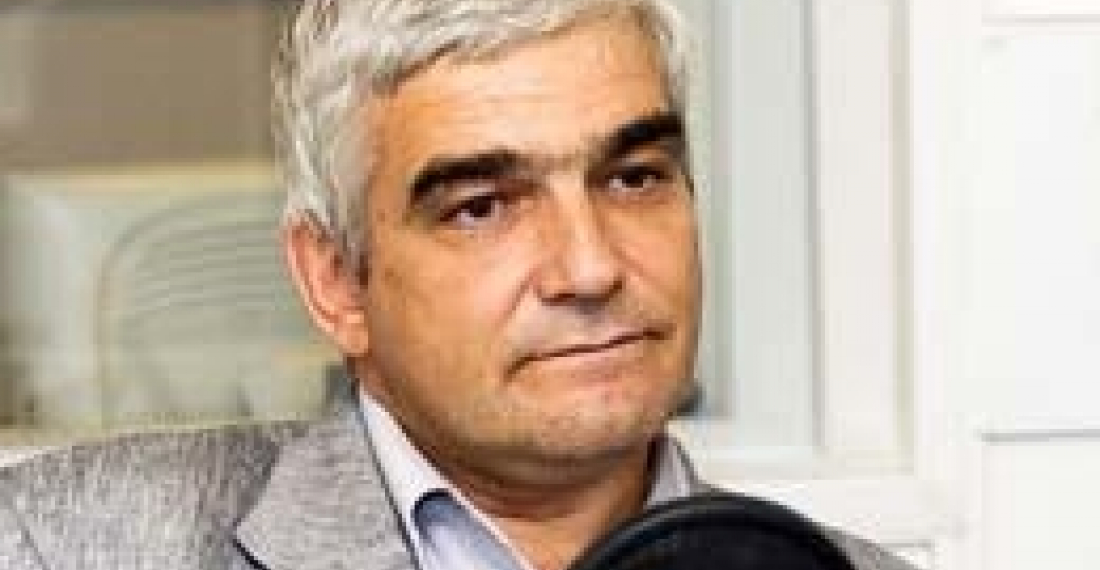
Интервью российского политолога, аналитика Московского Центра Карнеги Андрея Рябова информагентству АрмИнфо

Андрей Виленович, каковы, на Ваш взгляд, шансы на реализацию проекта Евразийского союза, и какие реальные выгоды оно сулит возможным участникам проекта?

На этот вопрос нельзя ответить однозначно, потому что у этого проекта есть как позитивные, так и проблемные стороны. Позитивные – это то, что страны на постсоветском пространстве, которые сейчас пытаются создать этот союз, понимают, что в ближайшее время, по крайней мере, стать членами каких-то других интеграционных проектов невозможно. Так называемая европейская мечта, которая еще недавно была столь популярной среди многих политиков постсоветских стран, сегодня очевидно остается главным образом лозунговой темой.

По видимому, Евросоюзу не до постсоветского пространства, с учетом собственных финансово-экономических проблем?

Разумеется, всем понятно, что доступ в Европейский союз, как минимум на 10 лет, закрыт. Сейчас ЕС будет заниматься инвентаризацией того, что у него есть, решать свои внутренние проблемы. И, скорее всего, выйдет из существующего кризиса гораздо более видоизмененным. И это будет не тот Европейский союз, который мы видели до кризиса. Другие попытки интеграционных объединений, например, в Центральной Азии, тоже реального успеха не могут иметь. И хотя уровень товарооборота между странами СНГ -потенциальными членами Евразийского союза - незначителен, тем не менее, данное обстоятельство не может рассматриваться как препятствие на пути интеграции. Дело здесь не во внешней торговле, а прежде всего, во взаимодействии между элитами, правящие элиты постсоветских стран похожи, они однотипны и понимают друг друга гораздо лучше чем, например, европейцев и даже китайцев. Поэтому наладить диалог даже в условиях ограниченного экономического взаимодействия в принципе возможно. Все эти факторы в совокупности позволяют говорить о том, что помимо России на постсоветском пространстве нет активных глобальных игроков. С ЕС уже все понятно – он решает проблемы у себя дома, США интересуют проблемы безопасности в первую очередь, особенно в связи с ожидаемым выводом войск из Афганистана, интересуют базы, взаимодействие с местными политическими режимами для эффективного контроля за безопасностью, но все это - не проблемы развития. США сегодня даже не озабочены проблемами демократизации этих стран

Поговорим о негативных аспектах данного проекта.

Первый аспект - чисто бюрократический характер этого проекта. Сегодня создадут Евразийскую комиссию, завтра - Евразийский парламент, а главная задача – приделать к этому механизму “мотор” - по всей вероятности, так и останется на бумаге. А в качестве “мотора” могут послужить только крупные частные интересы. Ведь и Евросоюз возник отнюдь не в результате спонтанного решения политиков из Брюсселя. ЕС образовался, в первую очередь, потому, что крупные частные компании были заинтересованы в этом интеграционном проекте, для них он стал приоритетным и выгодным. Я думаю, что в любом проекте должно быть свое четко задекларированное будущее, свое видение. ЕС тем и привлекателен, что у него есть проект будущего – общественного объединения без границ, где есть высокий уровень социальной защищенности. В проекте Евразийского союза всего этого пока нет.

Видимо из-за этого Армения пока не спешит “присоединиться” к этому проекту, хотя бы на уровне заявлений о поддержке такой идеи?

Мне кажется, что власти Армении пытаются оставить для себя пространство для маневра, строя хорошие отношения одновременно как с постсоветскими странами, так и с Европейским союзом. И тот факт, что глава Еврокомиссии и председатель Европейской народной партии прибывают в Ереван на следующий же день после визита президента Туркменистана, является наглядной иллюстрацией многовекторной внешней политики Еревана. Армения ведет переговоры по заключению Ассоциативного соглашения с ЕС, и это очень важно. Но с другой стороны мы имеем дело с российским предложением по части Евразийского союза. Конечно, как и любая страна, Армения пытается найти в этой ситуации какие-то балансы для себя. Если бы, скажем, Россия предлагала помимо безопасности еще какую-нибудь привлекательную и главное видимую экономическую перспективу, то, наверное, таких сомнений и неоднозначности в политике Еревана не было бы. И как мне кажется, эта линия балансирования будет продолжаться.

Есть у Москвы опасение по поводу того, что Ереван в какой-то момент может выйти из сферы политического влияния Кремля?

Люди, которые принимают решение в Москве, такой опасности не чувствуют. В будущем, конечно, могут быть определенные корректировки, изменения. Но сейчас главное, насколько я понимаю, это привлечь Армению в эти интеграционные процессы. Есть ОДКБ – но он решает проблему безопасности, но есть и экономическая составляющая этих интеграционных процессов, на что, собственно, и направлен проект Евразийского союза. В этом плане, мне кажется, усилия Москвы будут продолжаться.

Беседовал Ашот Сафарян

08.12.12. АрмИнфо.

Related articles

Editor's choice
News
COP 17 in Armenia

COP 17 in Armenia

Armenia is currently hosting the COP17 conference of the Convention on Biological Diversity, which began earlier this week (19 October) and will run until 30 October, bringing around 15,000 participants from 196 different countries to Yerevan. At a leaders' summit held as part of COP17, Prime Minister Nikol Pashinyan expressed realistic ambitions: “We are halfway towards achieving these goals (Kunming-Montreal Global Biodiversity Framework), and we must honestly acknowledge that we are not yet moving in the right direction. Our task now is not to make new promises, but to fulfil the commitments we have already made.” Pashinyan pointed towards Armenia's own records, noting that the whitefish stock in Lake Sevan has increased substantially in the last ten years. Iranian President Masoud Pezeshkian and Georgian Prime Minister Irakli Kobakhidze also addressed the summit, with Turkiye sending its agriculture minister. However, there were no reports of Azerbaijani representatives attending. The conference has given Yerevan a valuable international platform, yet the absence of Azerbaijan is likely to be read as a sign that the peace process in the South Caucasus has not yet been translated into wider regional cooperation. The leaders' summit was opened by Armenian Prime Minister Nikol Pashinyan, who stressed that hosting the conference was a great honour for Armenia. He expressed hope that it would 'be productive and contribute to protecting our planet's biodiversity'. 'We – the citizens of Armenia, the government, state authorities and local governments – owe a debt to our nature,' the prime minister said. He noted that the international community had already developed the concept of 'living in harmony with nature’ and adopted the Kunming-Montreal Global Biodiversity Framework in 2022, setting out goals and specific targets to be achieved by 2030. 'We are halfway towards achieving these goals, and we must honestly acknowledge that we are not yet moving in the right direction. Our task now is not to make new promises, but to fulfil the commitments we have already made,' Nikol Pashinyan said. The COP17 conference is expected to adopt a declaration at leaders' level. More than 30 documents are scheduled for discussion. If approved, the commitments set out in them will become legally binding on countries that are parties to the Convention on Biological Diversity.”
Editor's choice
News
Landmines present to the European Union both a contradiction and a dilemma

Landmines present to the European Union both a contradiction and a dilemma

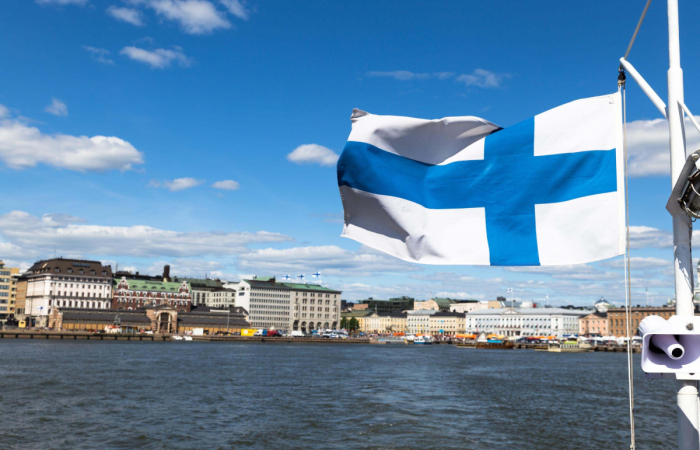
Finland’s decision to buy one million landmines creates a serious contradiction in the policy of the European Union, and is symbolic of a bigger dilemma facing European countries as they get used to the need to acquire “hard” power to face an increasing threat from Russia. Finland is seeking to acquire one million anti-personnel mines at a cost of 100 million euros. Finland, together with Poland, Latvia, Lithuania and Estonia last year abandoned the Ottawa agreement, the international framework that bans the use of anti-personnel mines, which the EU had been instrumental in establishing and supporting. All five countries cite the threat from Moscow as the reason. Colonel Riku Mikkonen of the Army Command told Finland’s national news agency STT that officials are now gathering information from suppliers regarding the deal, the AFP news agency reports. Helsinki would like domestic manufacturers to supply the mines, with contracts signed by the end of 2027 and production up and running by 2028. “It would be useful in many ways if Finnish companies produced the anti-personnel mines in Finland,” Mikkonen said. About half a dozen Finnish firms qualify, he told STT. “However, at this stage, buying the mines from abroad is not totally ruled out,” he added. LANDMINES PROVIDE THE EU WITH BOTH A CONTRADICTION, AND A DILEMMA Eliminating landmine contamination worldwide is one of the EU’s main soft power postures, and it basks in its record as the biggest funder of anti-landmine action in the world. But the fact that 5 of its 27 member states  have now left the Ottawa Treaty dents the EU moral high ground. It is a contradiction that is too big and important to be ignored. It also presents the European Union with a deeper dilemma. The threat from Russia is changing what the EU has stood for decades, namely a force for good able to mobilise its considerable soft power for the greater good of humanity. How the Union will implement this change will define its future. In the meantime landmines have not become any less lethal, benign, or unimportant. They remain in many parts of the world a major threat to life, an impediment to prosperity, and a potential trigger to further conflict. The 22 EU members states that still adhere to the Ottawa treaty must regroup, and be more assertive in their quest against anti-personnel land mines. All the reasons why they supported the Ottawa treaty in the first place still exist. The message must be clear: NO TO LANDMINES!

Popular

Editor's choice
Interview
Thursday Interview: Murad Muradov

Thursday Interview: Murad Muradov

Today, commonspace.eu starts a new regular weekly series. THURSDAY INTERVIEW, conducted by Lauri Nikulainen, will host  persons who are thinkers, opinion shapers, and implementors in their countries and spheres. We start the series with an interview with Murad Muradov, a leading person in Azerbaijan's think tank community. He is also the first co-chair of the Action Committee for a new Armenian-Azerbaijani Dialogue. Last September he made history by being the first Azerbaijani civil society activist to visit Armenia after the 44 day war, and the start of the peace process. Speaking about this visit Murad Muradov said: "My experience was largely positive. My negative expectations luckily didn’t play out. The discussions were respectful, the panel format bringing together experts from Armenia, Azerbaijan, and Turkey was particularly valuable during the NATO Rose-Roth Seminar in Yerevan, and media coverage, while varied in tone, remained largely constructive. Some media outlets though attempted to represent me as more of a government mouthpiece than an independent expert, which was totally misleading.  Overall, I see these initiatives as important steps in rebuilding trust and normalising professional engagement. The fact that soon a larger Azerbaijani civil society visits to Armenia followed, reinforces the sense that this process is moving in the right direction." (click the image to read the interview in full)