


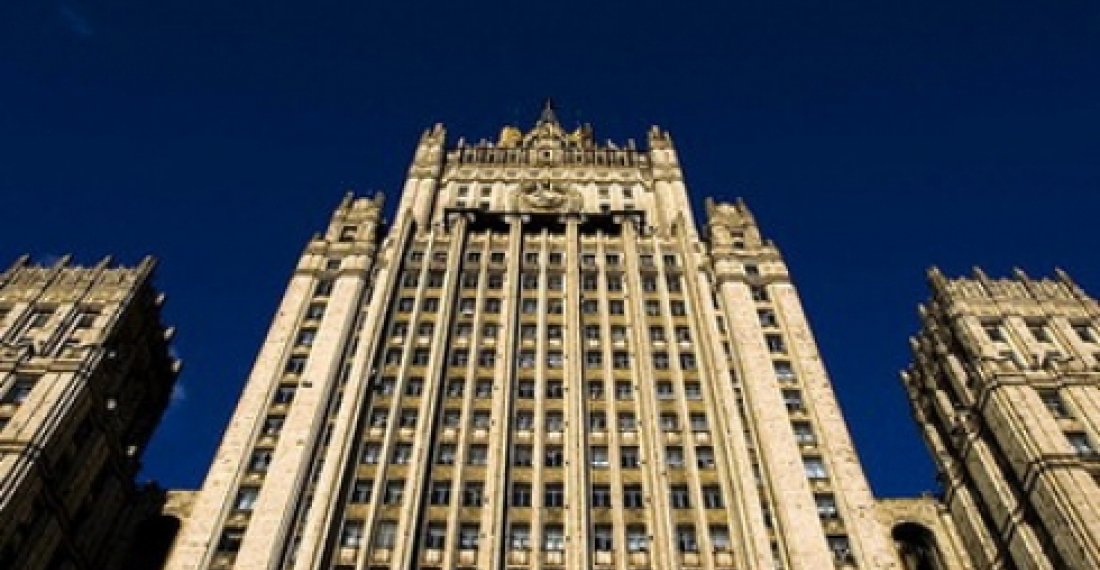
МИД РФ:

Сегодня президенты Армении и Азербайджана Серж Саргсян и Ильхам Алиев подпишут в Казани документ, который юридически обяжет их отказаться от использования силы для решения споров.

"Содержание документа, который должен быть подписан в Казани, стороны держат в строгой тайне. До недавнего времени Баку и Ереван устраивали лишь некоторые принципы Мадридского урегулирования. И лишь теперь их удалось убедить принять эти принципы целиком. Решающий шаг был сделан на мартовской встрече Медведева, Алиева и Саргсяна в Сочи", - пишет "Коммерсант" со ссылкой на высокопоставленный источник в МИД РФ.

Согласно источнику издания в российском руководстве, принципиальная готовность подписать документ у Баку и Еревана есть. Однако итоговые решения и формулировки будут утверждаться непосредственно в Казани, так что от внезапных трудностей посредники не застрахованы.

Базовые, так называемые "Мадридские принципы" разрешения нагорно-карабахского конфликта были представлены Армении и Азербайджану главами МИД Франции и России и помощником госсекретаря США в ноябре 2007 года. В прошлом году посредники передали армянской и азербайджанской сторонам их обновленный вариант.

Принципы включают передачу Азербайджану территорий вокруг Нагорного Карабаха; промежуточный статус для Нагорного Карабаха, обеспечивающий гарантии безопасности и самоуправления; коридор, связывающий Армению с Нагорным Карабахом; определение будущего окончательного правового статуса Нагорного Карабаха путем имеющего обязательную юридическую силу волеизъявления его населения; право всех внутренних и перемещенных лиц и беженцев на возвращение в места прежнего проживания; международные гарантии безопасности, включая миротворческую операцию.

Сегодня, 24 июня в Казани по инициативе российской стороны состоится трехсторонняя встреча встрече Медведев-Саргсян-Алиев, на которой будут обсуждены поиски путей решения по вопросу Нагорного Карабаха. 11 июня в Москве состоялась встреча министров иностранных дел Армении, Азербайджана и России. По завершении встречи МИД Армении заявил, что в ходе встречи удалось сблизить позиции по ряду ключевых вопросов, связанных с базовыми принципами урегулирования нагорно-карабахского конфликта, отметив, что проект документа будет обсужден на трехстороннем саммите в конце июня.


Related articles

Editor's choice
News
The British prime minister says Europe must "stand on its own two feet" when it comes to defence

The British prime minister says Europe must "stand on its own two feet" when it comes to defence

The UK will deploy a carrier strike group, led by the aircraft carrier HMS Prince of Wales to the Arctic and the High North as part of efforts to bolster security against Russian threats. British prime minister, Sir Keir Starmer announced the deployment in a speech on Saturday (14 February) at the Munich Security Conference. Europe must be ready to fight to protect its people, values, and way of life,  Sir Keir told the Conference. Starmer also called for deeper links and cooperation, including economic ties, between the UK and EU. The PM stressed the continent must "stand on its own two feet" when it comes to defence commitments. "We must build our hard power, because that is the currency of the age," he told the conference. (Click image to read the full story).

Popular

Editor's choice
Interview
Thursday Interview: Murad Muradov

Thursday Interview: Murad Muradov

Today, commonspace.eu starts a new regular weekly series. THURSDAY INTERVIEW, conducted by Lauri Nikulainen, will host  persons who are thinkers, opinion shapers, and implementors in their countries and spheres. We start the series with an interview with Murad Muradov, a leading person in Azerbaijan's think tank community. He is also the first co-chair of the Action Committee for a new Armenian-Azerbaijani Dialogue. Last September he made history by being the first Azerbaijani civil society activist to visit Armenia after the 44 day war, and the start of the peace process. Speaking about this visit Murad Muradov said: "My experience was largely positive. My negative expectations luckily didn’t play out. The discussions were respectful, the panel format bringing together experts from Armenia, Azerbaijan, and Turkey was particularly valuable during the NATO Rose-Roth Seminar in Yerevan, and media coverage, while varied in tone, remained largely constructive. Some media outlets though attempted to represent me as more of a government mouthpiece than an independent expert, which was totally misleading.  Overall, I see these initiatives as important steps in rebuilding trust and normalising professional engagement. The fact that soon a larger Azerbaijani civil society visits to Armenia followed, reinforces the sense that this process is moving in the right direction." (click the image to read the interview in full)

