


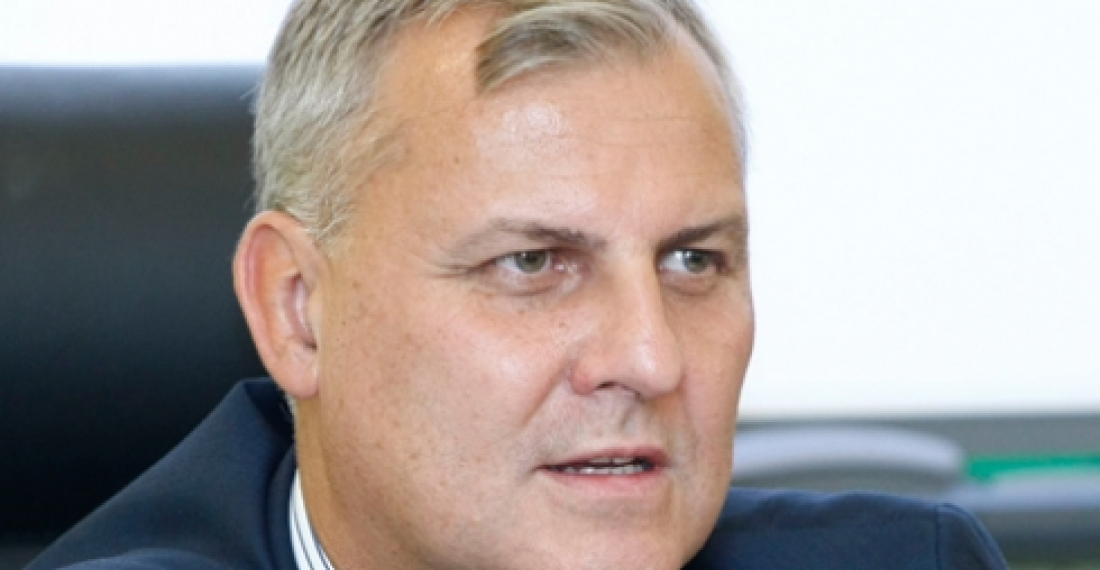
Глава ЕС в Армении:

За несколько лет, в Армении произошли существенные  перемены, и со стороны видно, что она достигла прогресса. Об этом заявил глава ЕC в Армении, посол Рауль де Люценбергер, выступая на конференции «Восточное партнерство: национальная и европейская динамики».

По его словам, в стране имеет место положительная динамика и, при активном и позитивном взаимодействии гражданского общества и политической воли, делается все, что предлагается и готовится со стороны ЕС. “Это не значит, что мы можем похлопать по спине и сказать, что все уже сделано. Армении предстоит пройти еще ряд тестов во время предстоящих парламентских и президентских выборов», - отметил Люценбергер. Он подметил реформы в экономической и судебной системе, а также активные преобразования в сфере защиты прав человека. Он добавил, что с положительной динамикой в стране некоторые могут не согласиться, но это естественный процесс демократизации системы.

Дипломат отметил, что в процессе реформ, поддержка важна не только финансовая поддержка ЕС, но и политическая. Он отметил также важность того, чтобы динамика имела место во всем регионе, от которой зависит благополучие всех сторон. “Содействие экономическим контактам между сторонами региона может способствовать тому, чтобы между ними решились проблемы, которые кажутся неразрешимыми», - отметил посол.

В свою очередь посол Германии в Армении Ганс Йохен Шмидт, выразил сожаление, что граница между Турцией и Арменией остается закрытой, что препятствует нормализации торгово-экономических отношений в регионе и затрудняет задачу по осуществлению свободной зоны торговли с ЕС. Кроме того, немецкий дипломат отметил, что Армения не должна радоваться по поводу того, что выполнила какие-то части соглашения с ЕС быстрее, чем Азербайджан или Грузия. “Нельзя сравнивать ситуацию, Армении много нужно работать, если она хочет заключить и имплементировать соглашение с Евросоюзом “О свободной торговле», - подчеркнул посол Германии.


Related articles

Editor's choice
News
The British prime minister says Europe must "stand on its own two feet" when it comes to defence

The British prime minister says Europe must "stand on its own two feet" when it comes to defence

The UK will deploy a carrier strike group, led by the aircraft carrier HMS Prince of Wales to the Arctic and the High North as part of efforts to bolster security against Russian threats. British prime minister, Sir Keir Starmer announced the deployment in a speech on Saturday (14 February) at the Munich Security Conference. Europe must be ready to fight to protect its people, values, and way of life,  Sir Keir told the Conference. Starmer also called for deeper links and cooperation, including economic ties, between the UK and EU. The PM stressed the continent must "stand on its own two feet" when it comes to defence commitments. "We must build our hard power, because that is the currency of the age," he told the conference. (Click image to read the full story).

Popular

Editor's choice
Interview
Thursday Interview: Murad Muradov

Thursday Interview: Murad Muradov

Today, commonspace.eu starts a new regular weekly series. THURSDAY INTERVIEW, conducted by Lauri Nikulainen, will host  persons who are thinkers, opinion shapers, and implementors in their countries and spheres. We start the series with an interview with Murad Muradov, a leading person in Azerbaijan's think tank community. He is also the first co-chair of the Action Committee for a new Armenian-Azerbaijani Dialogue. Last September he made history by being the first Azerbaijani civil society activist to visit Armenia after the 44 day war, and the start of the peace process. Speaking about this visit Murad Muradov said: "My experience was largely positive. My negative expectations luckily didn’t play out. The discussions were respectful, the panel format bringing together experts from Armenia, Azerbaijan, and Turkey was particularly valuable during the NATO Rose-Roth Seminar in Yerevan, and media coverage, while varied in tone, remained largely constructive. Some media outlets though attempted to represent me as more of a government mouthpiece than an independent expert, which was totally misleading.  Overall, I see these initiatives as important steps in rebuilding trust and normalising professional engagement. The fact that soon a larger Azerbaijani civil society visits to Armenia followed, reinforces the sense that this process is moving in the right direction." (click the image to read the interview in full)

