


Девяносто девять лет спустя. События в Восточной Анатолии 1915 года позор в мировой истории 20-го века.

События в Восточной Анатолии в 1915 года легли пятном на мировую историю 20-го века. Резня сотен тысяч гражданских лиц, большинство из них армяне, в последние дни Османской империи, оставила огромный шрам, который пока еще не зажил.

В 99-ю годовщину этих событий, мир ищет ответы на то, почему и как это произошло, и делает шаг вперед к тому, что может позволить региону оставить прошлое позади и жить совместно в мире. Два современных государства, которых не было в 1915 году - Республика Армения и Турецкая Республика - теперь изо всех сил пытаются справиться с этим историческим багажом и поставить эти исторические события в их надлежащем контексте в современной реальности. Остальная часть мира также должна внести свой вклад в этот процесс, ради тех, кто погиб в 1915 году, ради их потомков, и что более важно, ради будущих поколений.

В своей речи в день годовщины Геноцида армян, президент Армении Серж Саргсян оглянулся на прошлое, но и стремился определить будущее. Глядя на прошлое, он сказал:

"Сегодня мы поминаем невинных жертв Геноцида армян. Полтора миллиона сынов и дочерей армянского народа стали жертвами такого преступления, которому в то время еще не было названия. Ни один человеческий язык тогда еще не придумал подобного выражения или слова. Они погибли лишь потому, что были армянами. Заранее и детально спланированное злодеяние имело четкую цель: истребив народ, завладеть его колыбелью-родиной, его имуществом и наследием тысячелетий. Так осуществлялся чудовищный план по полной ликвидации армянства, как политического фактора на исторической арене." 

Однако, армянский лидер также посмотрел и в будущее:

"Сегодня мы стоим на пороге 100-летия Геноцида армян. Оно может стать для Турции возможностью покаяться и оставить в стороне клеймо истории, если, конечно, в соседней стране смогут найти силы и освободить будущее своего государства от этого тяжелого бремени.

Одновременно публично подтверждаю: мы не рассматриваем турецкое общество в качестве врага. Склоняя голову перед памятью невинных жертв, мы помним всех тех турок, турецкие семьи, которые в те тяжелые дни протянули руку уничтожаемым варварами своим армянским соседям и друзьям, вырвали из когтей погромщиков многочисленных армянских детей. Слава памяти тех, кто даже подвергая опасности свою жизнь и жизнь своих семей, протянул руку помощи нашим многочисленным соотечественникам. Каждое общество, в том числе и турки, должны гордиться теми своими предками, которые спасали жизни и бросали вызов геноциду. Мы это помним."

Однако, годовщина в этом году отличается от остальных. Впервые политическое руководство Турецкой Республики совершило разумный шаг вперед в этом вопросе распространив заявление, которое хотя и не удовлетворяет требованиям Армении, но является чрезвычайно важным шагом, и должно быть признано таковым. Премьер-министр Турции Эрдоган в своем выступлении сказал:

"С надеждой и верой в то, что древние народы, обладающие схожими обычаями и традициями, принадлежащие к одной сложной, но уникальной географии, смогут вместе и достойным образом вспомнить о своем прошлом и о потерях, мы желаем, чтобы души армян, погибших в событиях начала ХХ века, покоились с миром, а их внукам передаем свои соболезнования" - говорится в заявлении.

"Независимо от их этнической или религиозной принадлежности, мы отдаем дань и уважение всем османским гражданам, которые погибли в тот же период и в аналогичных условиях."

Эрдоган добавил:

"24 апреля имеет особое значение для армянских граждан нашей страны и всех армян мира, представляет собой ценную возможность для свободного обмена мнениями в отношении исторических событий."

"Нельзя отрицать, что в последние годы существования Османской империи для миллионов её турецких, курдских, арабских, армянских и других граждан, вне зависимости от их религиозной и этнической принадлежности, это был сложный период, наполненный горькими событиями"

Заглядывая вперед, премьер-министр Турции заявил,

"Дух времени требует от нас говорить, несмотря на недопонимания, пытаться понять, слушая того, кто напротив тебя, оценивать поиски путей согласия, осуждать ненависть и возвышать принципы уважения и терпимости. Исходя из этого, Турецкая Республика предложила создать совместную историческую комиссию для научных исследований событий 1915 года."

"Такого рода совместное исследование турецких, армянских и международных историков сыграет большую роль в освещении событий 1915 года и правильной трактовки истории. В связи с этим мы открыли доступ к нашим архивам для всех исследователей."

"Народы Анатолии различного этнического и религиозного происхождения, которые жили совместно на протяжении сотен лет, создали общие ценности в различных сферах: от искусства до дипломатии, от государственного управления до торговли. И сегодня они обладают всеми возможностями и способностями для строительства нового будущего."

Мировому сообществу, правительствам, так же, как и гражданскому обществу сейчас необходимо собраться вместе для того, чтобы помочь Турции и Армении, и всем туркам и армянам во всем мире использовать следующий год для построения лучшего будущего, для извлечения уроков из прошлого, и обеспечением лучшей информированости о прошлом будущих поколений, с тем, чтобы такие черные страницы в истории человечества никогда не повторялись в Анатолии или же где-то еще.

Эта статья была впервые размещена на сайте www.links-dar.org 

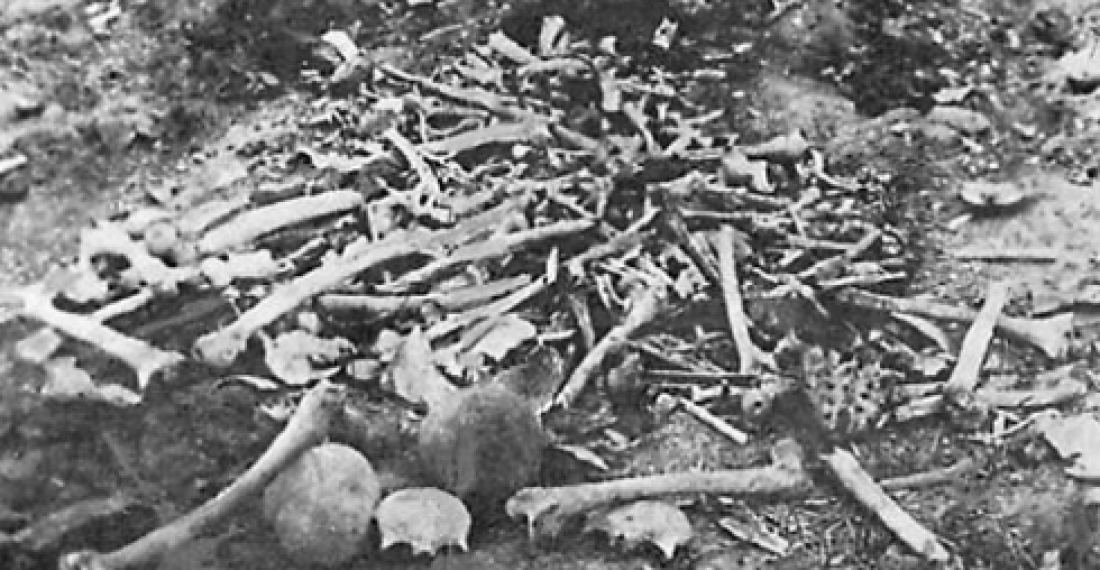
Фото: Геноцид армян в Эрзенияин. Посол США в то время писал: «Сцены, подобно этой были распространены во всех армянских провинциях, в весенние и летние месяцы 1915 года. Смерть в ее нескольких проявлениях - геноцид, голод, истощение среди большей части беженцев"

Latest

Editor's choice
Monday Commentary
Monday Commentary: PEACE IN OUR TIME?

Monday Commentary: PEACE IN OUR TIME?

Making peace between Armenia and Azerbaijan was never going to be simple, nor easy, nor quick. It is taking time, writes Dennis Sammut in this Monday Commentary. “There is a sense of realism coming from the leaders of the two countries – President Ilham Aliyev of Azerbaijan and prime minister Nikol Pashinyan of Armenia, that frankly, is necessary and welcome”, he writes. At a time when conflicts are raging all over the world – from Ukraine to the Gulf, from Africa to South Asia, the prospect that Armenia and Azerbaijan had finally, after decades of conflict that left thousands of dead and many more displaced, decided on embarking on a journey of peace was welcomed. Peace between Armenia and Azerbaijan can be top-down up to a point. Both leaders have spent political capital preparing for a peace deal. But both are aware that their people are not ready for peace yet. In fact, in Armenia, most of the elite are negative toward a peace deal with Azerbaijan. Pashinyan needs time to persuade his countryfolk. That is why 2031 is realistic. Ilham Aliyev runs a tighter shop, but he is also not immune to public opinion. Every time someone hits a landmine in Karabakh, which unfortunately happens often, peace comes into question. Which is why Aliyev chooses to sound hardline, more often than not. In pursuing the peace agenda, both Aliyev and Pashinyan need to proceed cautiously. But they are right in making peace the central issue in their agenda. It is the main issue, and the one that will define them in history. So forward, cautiously but resolutely! In pursuing the peace agenda, Aliyev and Pashinyan need to be supported clearly and unambiguously. There are too many people in Baku and Yerevan who are sitting on the sides, waiting. The international community is not doing enough. It is time to be counted. Otherwise, the spoilers will win, and the region will go back to its bad habits. (Click the image to read the full commentary).

Popular

Editor's choice
Monday Commentary
Monday Commentary: European-Azerbaijan relations need an intensive and multifaceted dialogue that is frank and honest

Monday Commentary: European-Azerbaijan relations need an intensive and multifaceted dialogue that is frank and honest

Last week I visited Baku, Azerbaijan. My visit was relatively short, but very intensive, and had many meetings with stakeholders and colleagues. When I arrived in Baku first time in 1996,  Azerbaijan was a different country: weak, poor, and shaken by defeat in war. For thirty year the Karabakh issue dominated the agenda: the political agenda but also the popular mindset. Now, thirty years later, Azerbaijan has returned to Karabakh, and peace with Armenia is on the horizon. It is a new era for Armenia-Azerbaijan relations, for the South Caucasus, but also for Europe.  But we cannot be complacent: the Peace agreement has been initialed but not signed; borders remain closed; TRIPP is ambitious but remains an idea; and there are spoilers who want to turn the clock back. We must not allow them, and in this Europe and Azerbaijan must work together. Europe’ vanguard organization is the European Union – it is a free union of 27 member states; it is a strong global economic force, and increasingly a diplomatic and military force too. But it remains “work in progress” and can often appear dysfunctional. It often lacks collective and institutional memory. In its dealings with Azerbaijan the EU has made many mistakes – not least opening the delegation here late – in 2008. It sometimes appears condescending. Some utterances from the European Parliament and from some quarters in some member states are not understandable even for me. They irritate the Azerbaijanis, but serve no other purpose But Azerbaijan has also not handled relations with the EU well. It has failed to respond when the hand of friendship reached out; and it confused irritating actions, sometimes by well-meaning people; sometimes by outright spoilers, with strategic action. In short, EU-Azerbaijan relations have suffered from a lack of proper dialogue. This dialogue must be frank, honest and multi-faceted involving different segments of society on both sides.   Is Azerbaijan Europe? When Azerbaijan applied to join the Council of Europe in the 1990s, there were some who opposed, saying this was not Europe. I was one of the people who argued that Armenia and Azerbaijan may be on the periphery of the continent geographically, but were European in essence. Certainly their elites. During the discussion on 4 September in Baku, my friend Farhad Mammedov, mentioned that Azerbaijan is not interested in joining the EU, and was now close to the Central Asian countries in the 5 plus 1 format. Neither things mean that Azerbaijan is not Europe. There are several European countries that are not in the EU, and do not want to be, for example Norway and Switzerland. Iceland has recently voted to stay out of the EU. The UK was a member and left. Europe is bigger than the EU, and the holding of the European Political Community summit in Baku in 2027 proves that. Despite all the rhetoric, I never heard the president of Azerbaijan  saying that Azerbaijan is not Europe, nor have I heard any European president say it either. Not wanting to join the EU and forging close relations with neighbouring regions does not make Azerbaijan any less European. It is only logical that when Europeans talk to Azerbaijan they talk like family. The conversation is often frank. It must also be honest, and Europeans need always to remember this too. A frank, honest and multi-faceted dialogue A frank, honest and multifaceted dialogue will contribute to relations between Azerbaijan and the rest of Europe: it will avoid misperception, which unfortunately is very common on both sides; it will provide a forum where problems can be discussed and resolved, and it will increase mutual trust, so that together common problems can be addressed. (click image to read the full Monday Commentary)
Editor's choice
Monday Commentary
Monday Commentary: “The barren rocks of Aden” and “These lands of Yemen are so ruthless”

Monday Commentary: “The barren rocks of Aden” and “These lands of Yemen are so ruthless”

There are two early 20th-century tunes that mark foreign attempts to occupy and “pacify” Yemen. The Scottish tune “The barren rocks of Aden” marks the mobilisation of Highland soldiers, enlisted to be deployed to the Yemeni port of Aden, that in 1837 became the last colony to be incorporated into the British Empire. The tune talks of the harshness of the terrain, but is celebratory, It was even played as a farewell tune to Sir William Luce at the parade in Sharjah celebrating his end as “British Viceroy” in the Middle East in 1966. The second tune is an Anatolian lament. As Ilker Sezer reminded us this weekend, in his weekly feature on “Turkiye Today”, it “mourns the tragic fate of Ottoman soldiers dispatched to the harsh, remote deserts of Yemen during the fall of the empire, young men who marched away from their villages and never returned home. Most of their names, and numbers, were never recorded. Yet, their fate left a mark on the Turkish psyche.” Subsequent invaders have discovered that Yemen is a grave that cannot be overcome by the strength of modern technology, and that whilst Yemeni society is splintered and divided, building a reliable alliance with Yemeni factions is difficult. These are the harsh lessons facing Saudi Arabia, as the Kingdom faces its biggest challenge in its modern history. The leadership of the Kingdom now has to respond decisively. At stake is their very credibility. This is likely to be a long and messy conflict. Saudi military objectives need to be focused: to box in the Houthis rather than destroy them. This is likely to include: (a) regaining territory lost on the Red Sea coast; (b) control over Bab el Mandeb Strait; (c) some kind of cordon sanitaire on the Saudi-Yemeni border; and if things go well (d) the capture of Sanaa. All this would not eliminate the Houthi problem, but it will contain it. In the end the Saudis will have to continue managing Yemen with a mixture of carrot and stick. For the moment, the stick is likely, but the carrot cannot be forgotten either. (click the image to read the Monday Commentary in full)

