


Украина созвала заседание Совета министров иностранных дел СНГ в Киеве, 7 марта, но Россия слишком занята, чтобы принять в нем участие.

Россия слишком занята, чтобы принять участие в заседании министров иностранных дел Содружества Независимых Государств (СНГ) в Украине, и предлагает подождать до 4 апреля, до очередного запланированного заседания.

По сообщениям российского информационного агентства РИА Новости, заместитель министра иностранных дел России, Василий Небензя, подтвердил, что Украина созвала заседание Совета министров иностранных дел СНГ в Киеве, на 7 марта, но по его словам российский министр, а также другие министры слишком заняты для того, чтобы принять участие в заседании.

По словам политического редактора Commonspace.eu, учитывая, что ситуация в Украине на данный момент является самым большим кризисом в постсоветском пространстве после распада СССР и неспособность министров иностранных дел СНГ собраться на заседании, чтобы обсудить этот вопрос обнажает тот факт, что эта организация является полностью дисфункциональной и существует только в качестве фигового листа. Организация уже и в прошлом демонстрировала свою неэффективность, не в последнюю очередь во время кризиса в Грузии в 2008 году. Но ее неспособность даже собраться на заседание, которое созывается текущей страной-председателем организации - Украиной - вероятно, предвещает гибель организации. В то время как никто не питает никаких иллюзий на счет того, что СНГ может быть той организацией, которая может посредничать в решении нынешнего кризиса в Украине, такое заседание могло бы стать хорошей площадкой, удобная для России, где мог бы состоятся диалог с правительством Украины. Отказ России от такой возможности добавляет к уже огромным вопросительным знакам еще один вопрос о ее намерениях.

источник: commonspace.eu

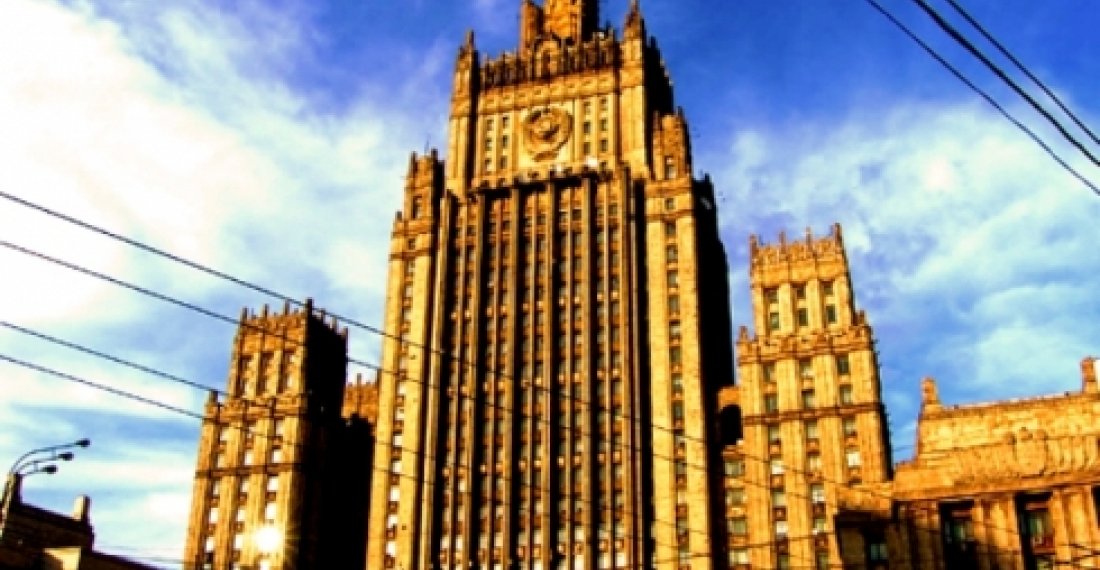
фото: Здание МИД РФ в Москве.

Related articles

Editor's choice
News
The British prime minister says Europe must "stand on its own two feet" when it comes to defence

The British prime minister says Europe must "stand on its own two feet" when it comes to defence

The UK will deploy a carrier strike group, led by the aircraft carrier HMS Prince of Wales to the Arctic and the High North as part of efforts to bolster security against Russian threats. British prime minister, Sir Keir Starmer announced the deployment in a speech on Saturday (14 February) at the Munich Security Conference. Europe must be ready to fight to protect its people, values, and way of life,  Sir Keir told the Conference. Starmer also called for deeper links and cooperation, including economic ties, between the UK and EU. The PM stressed the continent must "stand on its own two feet" when it comes to defence commitments. "We must build our hard power, because that is the currency of the age," he told the conference. (Click image to read the full story).

Popular

Editor's choice
Interview
Thursday Interview: Murad Muradov

Thursday Interview: Murad Muradov

Today, commonspace.eu starts a new regular weekly series. THURSDAY INTERVIEW, conducted by Lauri Nikulainen, will host  persons who are thinkers, opinion shapers, and implementors in their countries and spheres. We start the series with an interview with Murad Muradov, a leading person in Azerbaijan's think tank community. He is also the first co-chair of the Action Committee for a new Armenian-Azerbaijani Dialogue. Last September he made history by being the first Azerbaijani civil society activist to visit Armenia after the 44 day war, and the start of the peace process. Speaking about this visit Murad Muradov said: "My experience was largely positive. My negative expectations luckily didn’t play out. The discussions were respectful, the panel format bringing together experts from Armenia, Azerbaijan, and Turkey was particularly valuable during the NATO Rose-Roth Seminar in Yerevan, and media coverage, while varied in tone, remained largely constructive. Some media outlets though attempted to represent me as more of a government mouthpiece than an independent expert, which was totally misleading.  Overall, I see these initiatives as important steps in rebuilding trust and normalising professional engagement. The fact that soon a larger Azerbaijani civil society visits to Armenia followed, reinforces the sense that this process is moving in the right direction." (click the image to read the interview in full)


