


Парламентская дипломатия продолжается, несмотря на проблемы. Армяно-азербайджанские парламентские обмены становятся регулярными.
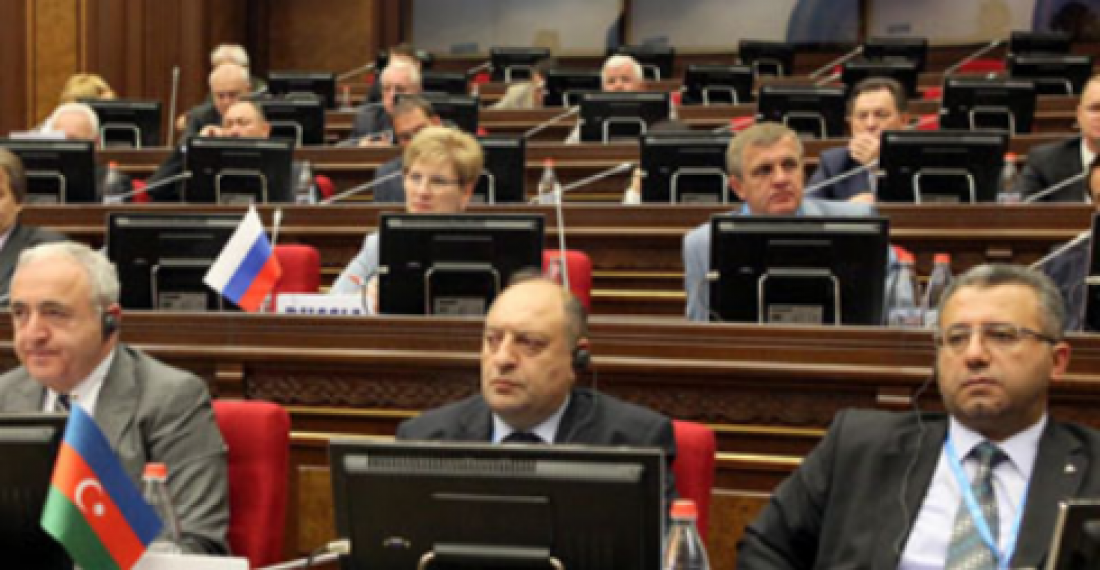

Число обменов с участием представителей парламентов Армении и Азербайджана, посетивших столицы этих двух стран, резко возросло за последние несколько месяцев. Ряд парламентских структур, таких как Евронест Европейского парламента недавно провели встречи в Баку и в Ереване, на которых присутствовали парламентарии обеих стран. Эти обмены рассматриваются, как положительный фактор, которые способствуют открытию процесса диалога между политическими элитами двух стран.

Этот процесс, однако, проходит не без трудностей.

39-я пленарная сессия Парламентской Ассамблеи Черноморского экономического сотрудничества состоялась в Ереване на прошлой неделе, несколько ушедшая в тень фестиваля Евровидение и событий, происходивших вокруг него в Баку.

В своем приветственном слове Президент Серж Саргсян выразил надежду, что организация будет работать в направлении открытия границ в регионе. Однако азербайджанская делегация отметила, что открытие границ и дальнейшее сотрудничество с Арменией возможно только, если азербайджанские земли, оккупированные Арменией, будут возвращены, и карабахский вопрос будет решен в рамках территориальной целостности Азербайджана. Депутат парламента Азербайджана, Асеф Гаджиев, назвал место непостоянного члена Азербайджане в Совете Безопасности ООН в качестве доказательства международной поддержки политики своей страны.

В средствах массовой информации разгорелась полемика по поводу того, что азербайджанские парламентарии посетили Мемориал жертв Геноцида армян и Музей Цицернакаберд, недалеко от Еревана.

Азербайджанские СМИ утверждают, что их армянских коллеги неверно сообщили о посещении азербайджанскими депутатами этих мест, в то время как некоторые армянские СМИ отреагировали, обвинив азербайджанские онлайн издания в нападениях на своих же депутатов.

Парламент Азербайджана официально опроверг участие своих членов в этом, заявив, что во время этого визита они находились в Грузии. Так же, как и близкий союзник Турции, Азербайджан разделяет его мнение, что гибель армян в Османской империи в 1915 произошла в контексте войны.

Остальная часть мероприятия ПАЧЭС прошла в основном без осложнений. На пленарном заседании приняли участие около 70 парламентских делегаций из 10 стран. По случаю 20-летия организации, делегаты единогласно приняли заявление, вновь декларируя своей целью развитие "добрососедства, дружбы и сотрудничества между странами региона, [и] взаимовыгодного сотрудничества в политической, экономической и гуманитарной сферах". Представитель России, Евгений Капышин, был избран в качестве следующего генерального секретаря, и кроме этого Межпарламентской Ассамблеи Православия (МАП) и Парламентскому Союзу Организации Исламская Конференция были предоставлены статусы наблюдателя.

Армения, которая председательствовала в Ассамблее в течение последних шести месяцев, уступило место Азербайджану - следующая сессия пленарного заседания состоится в ноябре, в Баку.

Источник: commonspace.eu

Фото: Парламентская делегация Азербайджана на мероприятии ПАЧЭС в Ереване

Related articles

Editor's choice
News
Borrell tells the European Parliament that the situation in Afghanistan was critical, but the EU will remain engaged

Borrell tells the European Parliament that the situation in Afghanistan was critical, but the EU will remain engaged

Borrell underlined that the European Union will make every effort to support the peace process and to remain a committed partner to the Afghan people. "Of course, we will have to take into account the evolving situation, but disengagement is not an option.  We are clear on that: there is no alternative to a negotiated political settlement, through inclusive peace talks.
Editor's choice
News
Germany accuses Russia of cyberattacks and disinformation campaign

Germany accuses Russia of cyberattacks and disinformation campaign

The German government holds Russia responsible for a cyberattack on German air traffic control, and for targeted disinformation campaigns before the last federal election. According to the German Foreign Office in Berlin, the incidents could be clearly attributed to the Russian military intelligence service, the GRU. In response, the Russian ambassador to Berlin was summoned to the Foreign Ministry. "We have been observing a massive increase in threatening hybrid activities by Russia for some time now," a spokesperson for the Foreign Ministry stated. These range from disinformation campaigns and espionage to cyberattacks and sabotage attempts. The aim is to divide society, sow distrust, and undermine confidence in democratic institutions. The spokesperson added that with these actions, Russia is "very concretely threatening our security, not only through its war of aggression against Ukraine, but also here in Germany."  The Foreign Ministry spokesperson explained that the cyberattack on air traffic control in August 2024 was clearly attributed to the hacker collective "APT28," known as "Fancy Bear," and to the responsibility of the Russian military intelligence service, the GRU. Furthermore, it could now be "conclusively stated" that Russia had attempted "to influence and destabilize both the last Federal election and the ongoing internal affairs of the Federal Republic of Germany." There was "absolutely irrefutable evidence" for this". The so-called "Storm 1516" campaign, which has been running since 2024, is allegedly backed by "reliable information" that the Moscow-based think tank "Center for Geopolitical Expertise" is behind it. The Center is also said to be supported by Russian military intelligence. Its primary aim is to influence democratic elections in the West. (Click the image to read more).

Popular

Editor's choice
News
Germany accuses Russia of cyberattacks and disinformation campaign

Germany accuses Russia of cyberattacks and disinformation campaign

The German government holds Russia responsible for a cyberattack on German air traffic control, and for targeted disinformation campaigns before the last federal election. According to the German Foreign Office in Berlin, the incidents could be clearly attributed to the Russian military intelligence service, the GRU. In response, the Russian ambassador to Berlin was summoned to the Foreign Ministry. "We have been observing a massive increase in threatening hybrid activities by Russia for some time now," a spokesperson for the Foreign Ministry stated. These range from disinformation campaigns and espionage to cyberattacks and sabotage attempts. The aim is to divide society, sow distrust, and undermine confidence in democratic institutions. The spokesperson added that with these actions, Russia is "very concretely threatening our security, not only through its war of aggression against Ukraine, but also here in Germany."  The Foreign Ministry spokesperson explained that the cyberattack on air traffic control in August 2024 was clearly attributed to the hacker collective "APT28," known as "Fancy Bear," and to the responsibility of the Russian military intelligence service, the GRU. Furthermore, it could now be "conclusively stated" that Russia had attempted "to influence and destabilize both the last Federal election and the ongoing internal affairs of the Federal Republic of Germany." There was "absolutely irrefutable evidence" for this". The so-called "Storm 1516" campaign, which has been running since 2024, is allegedly backed by "reliable information" that the Moscow-based think tank "Center for Geopolitical Expertise" is behind it. The Center is also said to be supported by Russian military intelligence. Its primary aim is to influence democratic elections in the West. (Click the image to read more).


