Конец любви? Президент Алиев обвинил BP в снижении добычи нефти, впервые критикуя нефтяного гиганта.

Президент Азербайджана Ильхам Алиев обвинил международный консорциум во главе с BP в резком снижении добычи нефти на месторождениях "Азери" и "Чираг" в азербайджанском секторе Каспийского моря.

Выступая на заседании Кабинета министров Азербайджана, который рассматривал итоги социально-экономического развития страны за девять месяцев этого года президент подчеркнул, что консорциум не выполняет свои прогнозы по добыче нефти, добавив, что снижение производства началось после 2008 года, когда в соответствии с договором объемы распределенных доходов от добычи нефти изменились в пользу Азербайджана, и поднялись с 25 до 75%. Таким образом, по словам Ильхама Алиева, в 2009 году добычу прогнозировали на уровне 46,8 млн. тонн, в то время как на самом деле было добыто только 40,3 млн. тонн. В 2010 году прогноз составлял 42,1 млн тонн, фактически было добыто 40,6 млн тонн. В 2011 году при прогнозе в 40,2 млн тонн реальная добыча составила 36 млн тонн. По словам президента в 2012 году будет добыто 33 млн. тонн нефти, в то время как прогноз составляет 35,6 млн. тонн.

По словам президента Алиева, Азербайджан не дополучил доход, который ожидал. В то же время глава государства напомнил, что до сегодняшнего дня в нефтяные месторождения "Азери", "Чираг" консорциумом, которым руководит bp вложено 28,7 миллиардов долларов и получен доход в 73 млрд долларов.

"Все обещания, представленные прогнозы должны выполняться", сказал Алиев, обвиняя BP в ошибках. Алиев заявил, что BP обещала исправить свои ошибки и уволить сотрудников, ответственных за них, но эти обещания не были выполнены. Президент сказал, что Государственной нефтяной компании уже дано поручение поднять этот вопрос в официальном порядке и принять необходимые меры. "Должны быть и будут приняты строгие меры", сказал Алиев.

Политический редактор Commonspace.eu сообщает, что это первый раз, когда глава государства публично критикуют BP, которая была стратегическим партнером Азербайджана в развитии своих энергетических ресурсов в течение последних двух десятилетий. Пока еще не ясно, является ли это концом любви, но, конечно, язык, использованный Алиевым, является жестким и указывает на серьезную существующую полемику.

Источник: commonspace.eu

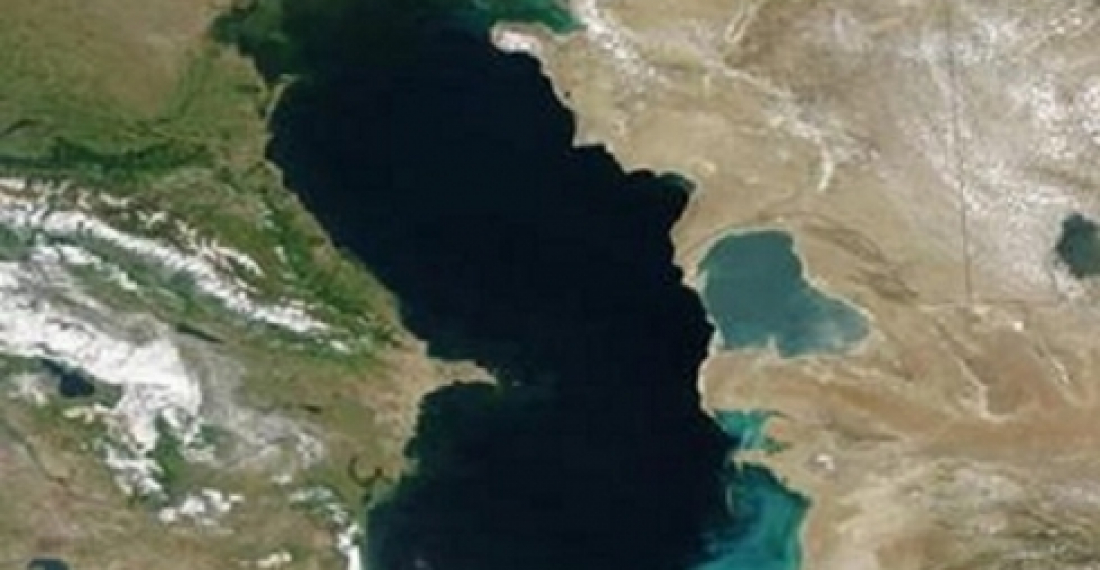
Фото: Каспийское море.

Related articles

Editor's choice
News
The British prime minister says Europe must "stand on its own two feet" when it comes to defence

The British prime minister says Europe must "stand on its own two feet" when it comes to defence

The UK will deploy a carrier strike group, led by the aircraft carrier HMS Prince of Wales to the Arctic and the High North as part of efforts to bolster security against Russian threats. British prime minister, Sir Keir Starmer announced the deployment in a speech on Saturday (14 February) at the Munich Security Conference. Europe must be ready to fight to protect its people, values, and way of life,  Sir Keir told the Conference. Starmer also called for deeper links and cooperation, including economic ties, between the UK and EU. The PM stressed the continent must "stand on its own two feet" when it comes to defence commitments. "We must build our hard power, because that is the currency of the age," he told the conference. (Click image to read the full story).

Popular

Editor's choice
Interview
Thursday Interview: Murad Muradov

Thursday Interview: Murad Muradov

Today, commonspace.eu starts a new regular weekly series. THURSDAY INTERVIEW, conducted by Lauri Nikulainen, will host  persons who are thinkers, opinion shapers, and implementors in their countries and spheres. We start the series with an interview with Murad Muradov, a leading person in Azerbaijan's think tank community. He is also the first co-chair of the Action Committee for a new Armenian-Azerbaijani Dialogue. Last September he made history by being the first Azerbaijani civil society activist to visit Armenia after the 44 day war, and the start of the peace process. Speaking about this visit Murad Muradov said: "My experience was largely positive. My negative expectations luckily didn’t play out. The discussions were respectful, the panel format bringing together experts from Armenia, Azerbaijan, and Turkey was particularly valuable during the NATO Rose-Roth Seminar in Yerevan, and media coverage, while varied in tone, remained largely constructive. Some media outlets though attempted to represent me as more of a government mouthpiece than an independent expert, which was totally misleading.  Overall, I see these initiatives as important steps in rebuilding trust and normalising professional engagement. The fact that soon a larger Azerbaijani civil society visits to Armenia followed, reinforces the sense that this process is moving in the right direction." (click the image to read the interview in full)