


Базельское заявление сопредседателей МГ ОБСЕ

Министры трех стран, которые являются сопредседателями в Минском процессе ОБСЕ - Франция, Россия и Соединенные Штаты - выступили с заявлением на полях министерской встречи ОБСЕ, которая открылась сегодня в швейцарском городе Базель.

В своем заявлении Госсекретарь США Керри, министр иностранных дел России Сергей Лавров и государственный секретарь от Франции Дезир отметили за последний год рост насилия в зоне нагорно-карабахского конфликта, и заявили, что переговоры о всеобъемлющем мирном соглашении под эгидой стран сопредседателей должны начаться как можно скорее.

Полный текст заявления:

"Мы, главы делегаций стран-сопредседателей Минской группы ОБСЕ - министр иностранных дел России Сергей Лавров, госсекретарь США Джон Керри, госсекретарь по европейским делам Франции Харлем Дезир - по-прежнему твердо привержены мирному разрешению нагорно-карабахского конфликта. Мы считаем, что не существует военного решения [конфликта] и призываем его стороны воздержаться от насилия, и активно работать для достижения прочного урегулирования.

Мы сожалеем о всплеске насилия в 2014 году на линии соприкосновения армянских и азербайджанских сил. Военные действия в июле и августе привели к значительным потерям и росту напряженности, что углубило недоверие между сторонами. Стороны должны принять дополнительные меры для укрепления режима прекращения огня 1994 года и создать более благоприятную атмосферу для продвижения мирных переговоров.

Инцидент со сбитым вертолетом, произошедший 12 ноября, возле линии соприкосновения можно было избежать, что подчеркивает важность мер по снижению напряженности, восстановлению доверия для избежания подобных инцидентов в будущем. Мы призываем  все стороны проявить сдержанность, чтобы предотвратить дальнейшую эскалацию. Мы также призываем их решить гуманитарные проблемы в духе Астраханских заявлении от октября 2010 года, сделанными президентами Армении, Азербайджана и Российской Федерации.

Мы приветствуем достигнутое в Париже президентами соглашение об активизации диалога в будущем году. У сторон появилась возможность устранить разногласия между сторонами, восстановить доверие и, выполнив свои обязательства, приступить к процессу переговоров, который приведет к окончательному решению конфликта. Ожидается, что они для всестороннего решения конфликта примут за основу принципы и элементы, отраженные в совместном заявлении президентов США, России и Франции, а также обсужденные на последней встрече в Париже. Переговоры для достижения всестороннего мирного соглашения должны начаться как можно скорее под эгидой стран-сопредседателей.

Мы готовы тесно сотрудничать со сторонами для окончательного решения этого конфликта и готовы открыть новую страницу мира. Но основную ответственность несут лидеры Армении и Азербайджана."

источник: commonspace.eu по материалам агентств

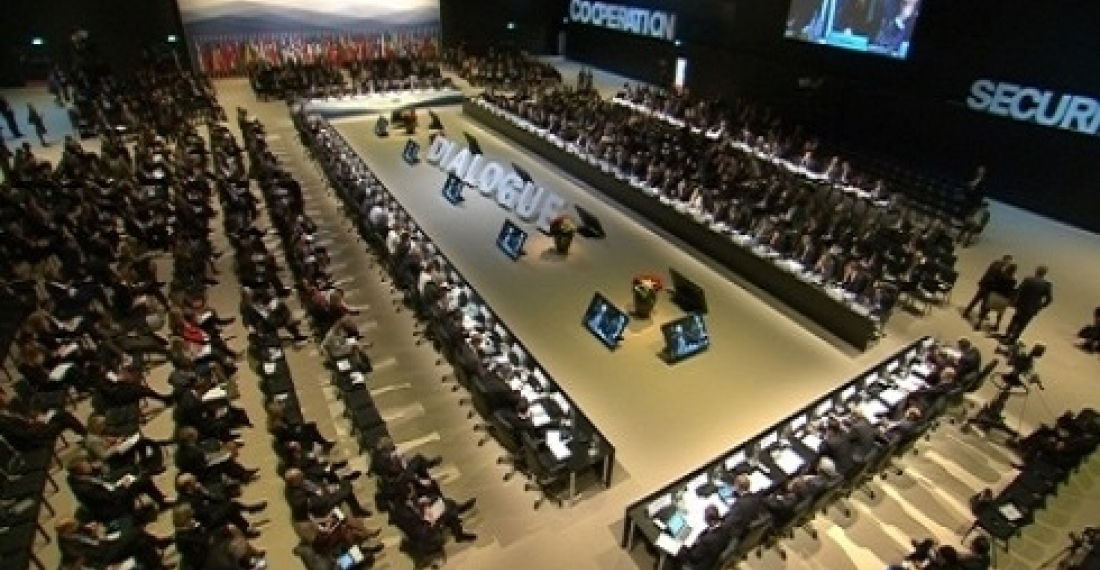
фото: Пленарное заседание Совета министров иностранных дел ОБСЕ в Бейле от 4 декабря 2014 года (фото любезно предоставлено ОБСЕ).


Related articles

Editor's choice
News
Key European countries back Denmark in the face of Trump's continuing insistence on taking over Greenland

Key European countries back Denmark in the face of Trump's continuing insistence on taking over Greenland

 Six major European countries have declared their support to Denmark following renewed insistence by the US that it must have control over Greenland. "Greenland belongs to its people, and only Denmark and Greenland can decide on matters concerning their relations," said the leaders of the UK, France, Germany, Italy, Poland, and Spain, in a joint statement, issued on Tuesday (6 January), together with Denmark. On Sunday, Donald Trump said the US "needed" Greenland - a semi-autonomous region of fellow Nato member Denmark - for security reasons. He has refused to rule out the use of force to take control of the territory, and Danish Prime Minister Mette Frederiksen warned on Monday that an attack by the US would spell the end of Nato. The issue of Greenland's future resurfaced in the wake of the US military intervention in Venezuela, during which elite troops went in to seize the country's President Nicolás Maduro and take him to face drugs and weapons charges in New York. Following the raid, Trump said the US would "run" Venezuela for an unspecified period of time. He also said the US was returning to an 1823 policy of US supremacy in its sphere of influence in the Western hemisphere - and he warned a number of countries the US could turn its attention to them. The US military raid in Venezuela has reignited fears that the US may consider using force to secure control of Greenland. A day after the raid, Katie Miller - the wife of one of Trump's senior aides - posted on social media a map of Greenland in the colours of the American flag, alongside the word "SOON". On Monday, her husband Stephen Miller said it was "the formal position of the US government that Greenland should be part of the US". In an interview with CNN, he also said the US "is the power of Nato. For the US to secure the Arctic region, to protect and defend Nato and Nato interests, obviously Greenland should be part of the US." Asked repeatedly whether the US would rule out using force to annex it, Miller responded: "Nobody's going to fight the US over the future of Greenland." Stressing they were as keen as the US in Arctic security, the seven European signatories of Tuesday's joint statement said this must be achieved by Nato allies, including the US "collectively" - whilst "upholding the principles of the UN Charter, including sovereignty, territorial integrity and the inviolability of borders". Greenland's Prime Minister Jens-Frederik Nielsen welcomed the statement and called for "respectful dialogue". "The dialogue must take place with respect for the fact that Greenland's status is rooted in international law and the principle of territorial integrity," Nielsen said. Trump has claimed that making Greenland part of the US would serve American security interests due to its strategic location and its abundance of minerals critical to high-tech sectors. Greenland, which has a population of 57,000 people, has had extensive self-government since 1979, though defence and foreign policy remain in Danish hands. While most Greenlanders favour eventual independence from Denmark, opinion polls show overwhelming opposition to becoming part of the US.

Popular

