


Высокопоставленный азербайджанский дипломат обвиняет Минскую Группу сопредседателей в монополизации.

Заместитель министра иностранных дел Азербайджана, Араз Азимов, обвинил три страны-сопредседателя Минской Группы ОБСЕ в монополизации процесса за счет других членов группы, и сказал, что это ограничивает эффективность группы. Вместе с тем он отметил, что Азербайджан по-прежнему привержен к Минскому процессу как механизму, который может помочь разрешить нагорно-карабахский конфликт и не хочет менять ее состав.

Заместитель министра иностранных дел Азербайджана Араз Азимов заявил, что он против смены формата Минской группы и привел три причины: "Во-первых, в Минской группе представлены самые важные игроки международного сообщества. Во-вторых, наличие Минской группы подтверждено принятыми в 1993 году резолюциями Совбеза ООН. Эти резолюции составляют основу наших позиций. Нельзя подходить к позициям на селективной основе. Резолюции должны сохранить свое значение. А замена Минской группы навредит этим резолюциям. Наконец, формат Минской группы исключает участие в процессе армян Нагорного Карабаха, поскольку в этом формате как азербайджанцы, так и армяне могут участвовать в процессе лишь на своем уровне – как общины Нагорного Карабаха. Они не участвуют в процессе принятия решений, но могут озвучить свои позиции".

Три страны-сопредседателя Минской группы - Франция, Россия и Соединенные Штаты. Другие члены Минской группы - Германия, Италия, Финляндия и Турция. Минская группа была сформирована в 1992 году в рамках ОБСЕ и признается международным сообществом как единственный формат уполномоченный на поиски решения Нагорного-Карабахского конфликта.

Источник: commonspace.eu по материалам агентств.

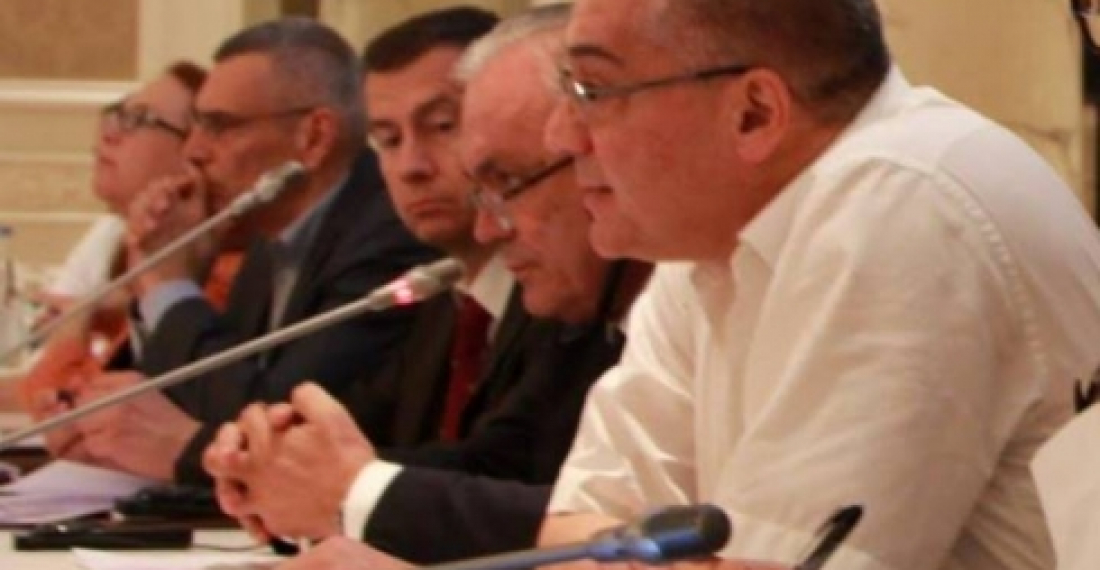
фото: Араз Азимов, заместитель министра иностранных дел Азербайджана (фото из архива).

Related articles

Editor's choice
News
Putin remains focused on "near abroad". The Russian leader will meet the leaders of CIS countries in St Petersburg next week

Putin remains focused on "near abroad". The Russian leader will meet the leaders of CIS countries in St Petersburg next week

Russian President Vladimir Putin  remains focused on the "near abroad". Tomorrow and on Monday (21-22 December) Putin will attend a meeting of the Supreme Eurasian Economic Council and an informal meeting of CIS leaders in St. Petersburg. The Kremlin press service reported that during the EAEU meeting, the leaders plan to discuss current issues related to the EAEU's activities, outline guidelines for further deepening integration processes and developing the Union's single market, and approve a number of significant documents and decisions. Furthermore, at Vladimir Putin's initiative, the traditional informal meeting of the leaders of the Commonwealth of Independent States will take place in St. Petersburg on December 22. The Russian President will also hold bilateral discussions with the leaders of a number of countries.

Popular

Editor's choice
News
Putin remains focused on "near abroad". The Russian leader will meet the leaders of CIS countries in St Petersburg next week

Putin remains focused on "near abroad". The Russian leader will meet the leaders of CIS countries in St Petersburg next week

Russian President Vladimir Putin  remains focused on the "near abroad". Tomorrow and on Monday (21-22 December) Putin will attend a meeting of the Supreme Eurasian Economic Council and an informal meeting of CIS leaders in St. Petersburg. The Kremlin press service reported that during the EAEU meeting, the leaders plan to discuss current issues related to the EAEU's activities, outline guidelines for further deepening integration processes and developing the Union's single market, and approve a number of significant documents and decisions. Furthermore, at Vladimir Putin's initiative, the traditional informal meeting of the leaders of the Commonwealth of Independent States will take place in St. Petersburg on December 22. The Russian President will also hold bilateral discussions with the leaders of a number of countries.


