


Удивительно тревожный саммит. Ричард Киракосян говорит, что после Вильнюса будет необходим новый подход ЕС к России.

Те, кто раньше бывал на саммитах ЕС и других заседаниях глав правительств, как правило, оказывались на долгих, утомительных переговорах и долгих коммюнике, которые направлены в угоду всех и каждого. Что-то похожее будет и в Вильнюсе, но как говорит Ричард Киракосян, директор независимого армянского Регионального Аналитического Центра, третий саммит стран Восточного партнерства в Вильнюсе будем совсем непохожим.

В комментарии commonspace.eu, Киракосян, который находится в Вильнюсе для принятия участия в одном из многочисленных параллельных мероприятий, которые организуются председательствующей Литвой в кулуарах саммита, говорит, что:

"Вильнюс стал ареной для выяснения отношений между Россией и рядом бывших советских республик. За последние несколько лет многие из соседей России были вовлечены в решительную попытку углубления связей с ЕС, с проведением реформ, которые должны были быть определены новыми соглашениями об ассоциации и соответствующими соглашениями об углубленной и всеобъемлющей зоне свободной торговли (DCFTA).

Но этот саммит в Вильнюсе уже определенно ознаменовался степенью неизвестности и удивления, которая коренится во внезапном движении Москвы, направленном на срыв процесса".

Киракосян добавил, что первой жертвой в этой новой российской кампании давления и принуждения стала Армения, которая была вынуждена отказаться от долгожданного Соглашения об ассоциации с ЕС.

"Но во многих отношениях, Армения была просто пешкой в ​​более большой  стратегической шахматной игре России. Для Москвы настоящей наградой была Украина, которая сегодня склонилась перед российским давлением, и которая также упустит стратегическую возможность по углублению связей с ЕС."

Ричард Киракосян предполагает, что Вильнюс, возможно, провалился не успев   начаться, и после Вильнюса будет необходима новая стратегия по сдерживанию России. 

"Хотя единственными оставшимися в живых являются Молдова и Грузия, поскольку каждая страна остается твердой в своей приверженности к соответствующим соглашениям об ассоциации, саммит в Вильнюсе можно считать провалившимся, даже не успев начаться. Для ЕС, саммит предложит незначительные результаты, с чуством разочарования и отчаяния среди других стран Восточного партнерства. Но урок из этого всего, опасность недооценить Россию. А нынешняя задача состоит в том, чтобы противостоять, если не сдерживать это возрождение российской мощи. Это также означает, что ЕС будет необходимо разработать новые пути укрепления этих ослабленных государств, чье единственное преступление было оспорить Москву, глядя на запад, за пределы "ближнего зарубежья", которую Россия рассматривает в качестве эксклюзивной сферы своего влияния".

По словам политического редактора Commonspace.eu: "Пока что руководство Европейского Союза остается оптимистичным насчет саммита, даже оставляя надежду на то, что Украина может вернуться к своим исходным намерениям по подписанию Соглашения об ассоциации с ЕС в Вильнюсе. Это становится все более маловероятным. Вильнюс должен предоставить  возможность для откровенного разговора. Если страны ЕС способны говорить одним голосом, то всем, в том числе и России, придется остановиться и послушать. Двадцать же восемь разных голосов, вероятно, будет звучать гораздо тише."

Источник: commonspace.eu

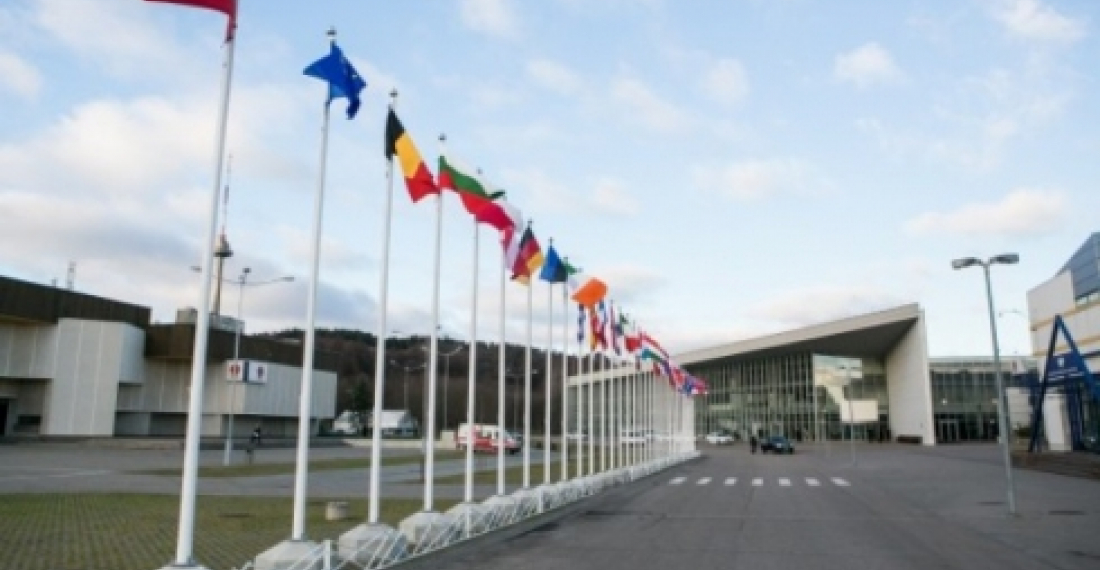
фото: Одно из мест проведения саммита в Вильнюсе должно открыться завтра.

Related articles

Editor's choice
News
Germany accuses Russia of cyberattacks and disinformation campaign

Germany accuses Russia of cyberattacks and disinformation campaign

The German government holds Russia responsible for a cyberattack on German air traffic control, and for targeted disinformation campaigns before the last federal election. According to the German Foreign Office in Berlin, the incidents could be clearly attributed to the Russian military intelligence service, the GRU. In response, the Russian ambassador to Berlin was summoned to the Foreign Ministry. "We have been observing a massive increase in threatening hybrid activities by Russia for some time now," a spokesperson for the Foreign Ministry stated. These range from disinformation campaigns and espionage to cyberattacks and sabotage attempts. The aim is to divide society, sow distrust, and undermine confidence in democratic institutions. The spokesperson added that with these actions, Russia is "very concretely threatening our security, not only through its war of aggression against Ukraine, but also here in Germany."  The Foreign Ministry spokesperson explained that the cyberattack on air traffic control in August 2024 was clearly attributed to the hacker collective "APT28," known as "Fancy Bear," and to the responsibility of the Russian military intelligence service, the GRU. Furthermore, it could now be "conclusively stated" that Russia had attempted "to influence and destabilize both the last Federal election and the ongoing internal affairs of the Federal Republic of Germany." There was "absolutely irrefutable evidence" for this". The so-called "Storm 1516" campaign, which has been running since 2024, is allegedly backed by "reliable information" that the Moscow-based think tank "Center for Geopolitical Expertise" is behind it. The Center is also said to be supported by Russian military intelligence. Its primary aim is to influence democratic elections in the West. (Click the image to read more).
Editor's choice
News
NATO Chief says war is on Europe's doorstep, and warns against complacency

NATO Chief says war is on Europe's doorstep, and warns against complacency

Russia could attack a NATO country within the next five years, the Secretary General of NATO, Mark Rutte, said in a stark new warning. "NATO's own defences can hold for now," Rutte warned in Berlin, but conflict was "next door" to Europe, and he feared "too many are quietly complacent, and too many don't feel the urgency, too many believe that time is on our side. "Russia is already escalating its covert campaign against our societies," Rutte said in a speech in Germany. "We must be prepared for the scale of war our grandparents or great-grandparents endured." Earlier this month, Russia's President Vladimir Putin said his country was not planning to go to war with Europe, but it was ready "right now" if Europe wanted to - or started a war. But similar reassurances were given by Moscow in 2022, just before 200,000 Russian troops crossed the border and invaded Ukraine. Putin has accused European countries of hindering US efforts to bring peace in Ukraine - a reference to the role Ukraine's European allies have recently played in trying to change a US peace plan to end the war, whose initial draft was seen as favouring Russia. But Putin was not sincere, Nato's secretary-general said in the German capital, Berlin. Supporting Ukraine, he added, was a guarantee for European security. "Just imagine if Putin got his way; Ukraine under the boot of Russian occupation, his forces pressing against a longer border with Nato, and the significantly increased risk of an armed attack against us." Russia's economy has been on a war footing for more than three years now - its factories churn out ever more supplies of drones, missiles and artillery shells. According to a recent report by the Kiel Institute for the World Economy, Russia has been producing each month around 150 tanks, 550 infantry fighting vehicles, 120 Lancet drones and more than 50 artillery pieces. The UK, and most of its Western allies, are simply not anywhere near this point. Analysts say it would take years for Western Europe's factories to come close to matching Russia's mass-production of weapons. "Allied defence spending and production must rise rapidly, our armed forces must have what they need to keep us safe," the Nato chief said.

Popular

Editor's choice
News
Germany accuses Russia of cyberattacks and disinformation campaign

Germany accuses Russia of cyberattacks and disinformation campaign

The German government holds Russia responsible for a cyberattack on German air traffic control, and for targeted disinformation campaigns before the last federal election. According to the German Foreign Office in Berlin, the incidents could be clearly attributed to the Russian military intelligence service, the GRU. In response, the Russian ambassador to Berlin was summoned to the Foreign Ministry. "We have been observing a massive increase in threatening hybrid activities by Russia for some time now," a spokesperson for the Foreign Ministry stated. These range from disinformation campaigns and espionage to cyberattacks and sabotage attempts. The aim is to divide society, sow distrust, and undermine confidence in democratic institutions. The spokesperson added that with these actions, Russia is "very concretely threatening our security, not only through its war of aggression against Ukraine, but also here in Germany."  The Foreign Ministry spokesperson explained that the cyberattack on air traffic control in August 2024 was clearly attributed to the hacker collective "APT28," known as "Fancy Bear," and to the responsibility of the Russian military intelligence service, the GRU. Furthermore, it could now be "conclusively stated" that Russia had attempted "to influence and destabilize both the last Federal election and the ongoing internal affairs of the Federal Republic of Germany." There was "absolutely irrefutable evidence" for this". The so-called "Storm 1516" campaign, which has been running since 2024, is allegedly backed by "reliable information" that the Moscow-based think tank "Center for Geopolitical Expertise" is behind it. The Center is also said to be supported by Russian military intelligence. Its primary aim is to influence democratic elections in the West. (Click the image to read more).


