


Турция и Азербайджан консолидируют связи.

Президент Азербайджана Ильхам Алиев завершил свой двухдневный  официальный визит в Анкару в ходе которого турецкие лидеры тепло приветствовали азербайджанского лидера, и эти две страны заявили о своем намерении и далее укреплять и консолидировать свои отношения. Алиев встретился с президентом Гюлем, премьер-министром Эрдоганом и министром иностранных дел Давутоглу. В ходе встреч были подписаны ряд новых двусторонних соглашений.

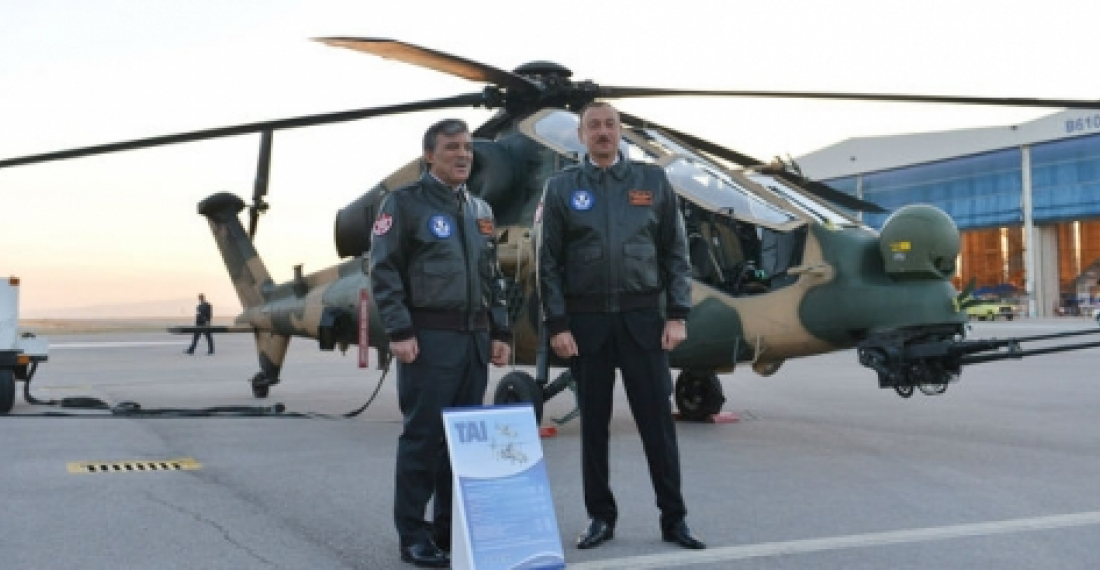
Выступая на пресс-конференции с премьер-министром Эрдоганом, Алиев заявил, что развитие оборонной промышленности Турции, которую он осмотрел накануне, произвело на него сильное впечатление.

"Сегодня Турция пользуется высоким авторитетом в мире и в этой области. Производимая в Турции военная техника находится на самом высоком мировом уровне." - заявил президент Алиев.

Алиев заявил, что общие исторические и культурные связи Азербайджана и Турции обеспечивают прочную основу их отношениям.

"На этом фундаменте мы строим прекрасное здание, и, как отметил мой дорогой брат, в этом здании есть крупные транснациональные проекты. Построив нефтепровод Баку-Тбилиси-Джейхан, мы не ограничили свою работу поставкой азербайджанской нефти в Турцию. Это стало открытием коридора, посредством которого сегодня реализуются крупные проекты." - сказал президент Алиев.
Алиев поздравил премьер-министра Турции по реализации проекта Мармарай.
"Это Ваша историческая заслуга. Она навсегда войдет в историю в числе Ваших заслуг перед турецким народом." - подчеркнул президент Алиев. "Реализовав данный проект, Вы соединили континенты, народы и обеспечили долгосрочные интересы Турции. Железная дорога Баку-Тбилиси-Карс, конечно, тоже является составной частью этого крупного проекта."
Президент Азербайджана отметил, что впереди их страны ждут большие дела. Реализация проекта TANAP полностью изменит энергетическую карту Европы, сказал он, и Турция и Азербайджан будут иметь особое место на этой карте. По словам президента Азербайджана, проект TANAP является одной из крупнейших энергетических проектов в мире, и Турция и Азербайджан взяли на себя ответственность, политический и финансовый груз. 
"Мы и здесь совместными усилиями демонстрируем лидерство." - заявил Ильхам Алиев.
По словам президента Алиева, "благодаря лидерству Азербайджана и Турции многие страны получат пользу. Сегодня в мире невозможно отделить энергетическую политику от внешней политики. Мы всю работу строим вместе, обсуждаем ее совместно. Суть и преимущество Совета стратегического сотрудничества высокого уровня заключается в том, что в ходе этих заседаний решаются многие вопросы."

Ильхам Алиев в ходе выступления также сослался на взаимные инвестиции в экономики двух стран.

"Когда я говорю, что в основе наших отношений лежит братство, это подтверждают реализуемые проекты. Братство, дружба вечны и будут вечными. XXI век станет веком тюркского мира. Турция и Азербайджан взяли на себя лидирующую роль в этом направлении, и уверен, что совместными усилиями мы добьемся больших успехов и в будущем." - заявил президент Алиев.

По словам политического комментатора Commonspace.eu:

"Турецко-азербайджанские отношения вышли за рамки риторики и в настоящее время основываются на материальных областях сотрудничества, имеющих стратегическое значение для обеих стран. Турция выкатила красный ковер для Алиева в ходе его визита, даже еще больше, чем в предыдущие разы. Турция больше не в состоянии смотреть на  Азербайджан в качестве младшего партнера в их отношениях. Несмотря на свои размеры, в настоящее время Азербайджан является одним из основных игроков в сфере экономики, и важным дипломатическим партнером для Турции на международной арене и в исламском мире.

Но остаются некоторые области, где проблемы в отношениях сохраняются. Турция хотела бы иметь больше доступа своего бизнес-сообщества в Азербайджан, и больший кусок азербайджанского экономического пирога, но по большому счету отношения перешли на новый уровень. "Темные дни" 2009 года, когда Турция в одностороннем порядке стала восстанавливать отношения с Арменией без консультаций с Баку, в настоящее время остались позади. Турция взяла на себя обязательство не устанавливать дипломатические отношения с Арменией до тех пор пока не будет достигнут прогресс по карабахскому конфликту. Однако, Турция не хочет незапланированных военных авантюр на своих границах, и продолжает выступать в качестве сдерживающей силы для Баку.

Несмотря на все это, турецко-азербайджанские отношения вступили в "золотую эпоху", когда обе страны видят свои двусторонние отношения в качестве важнейшего элемента в их глобальных и региональных амбициях".

Источник: commonspace.eu

Фото: Президент Ильхам Алиев во время визита в Центр аэрокосмической промышленности Турции в сопровождении президента Гюля, вторник 12 ноября 2013 года. (Фото любезно предоставлено пресс-службой президента Азербайджана).
Related articles

Editor's choice
News
COP 17 in Armenia

COP 17 in Armenia

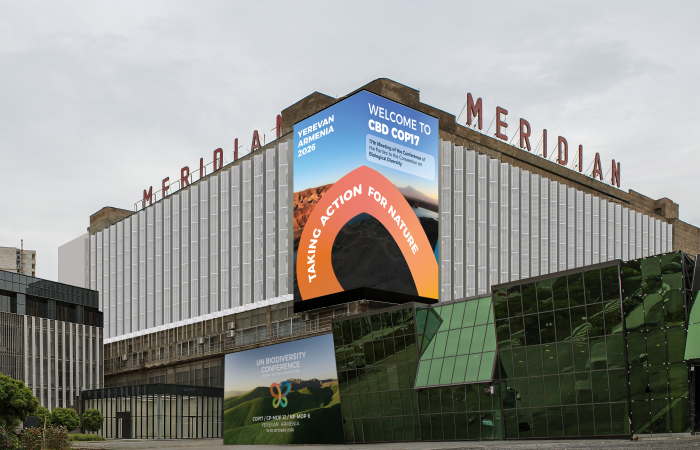
Armenia is currently hosting the COP17 conference of the Convention on Biological Diversity, which began earlier this week (19 October) and will run until 30 October, bringing around 15,000 participants from 196 different countries to Yerevan. At a leaders' summit held as part of COP17, Prime Minister Nikol Pashinyan expressed realistic ambitions: “We are halfway towards achieving these goals (Kunming-Montreal Global Biodiversity Framework), and we must honestly acknowledge that we are not yet moving in the right direction. Our task now is not to make new promises, but to fulfil the commitments we have already made.” Pashinyan pointed towards Armenia's own records, noting that the whitefish stock in Lake Sevan has increased substantially in the last ten years. Iranian President Masoud Pezeshkian and Georgian Prime Minister Irakli Kobakhidze also addressed the summit, with Turkiye sending its agriculture minister. However, there were no reports of Azerbaijani representatives attending. The conference has given Yerevan a valuable international platform, yet the absence of Azerbaijan is likely to be read as a sign that the peace process in the South Caucasus has not yet been translated into wider regional cooperation. The leaders' summit was opened by Armenian Prime Minister Nikol Pashinyan, who stressed that hosting the conference was a great honour for Armenia. He expressed hope that it would 'be productive and contribute to protecting our planet's biodiversity'. 'We – the citizens of Armenia, the government, state authorities and local governments – owe a debt to our nature,' the prime minister said. He noted that the international community had already developed the concept of 'living in harmony with nature’ and adopted the Kunming-Montreal Global Biodiversity Framework in 2022, setting out goals and specific targets to be achieved by 2030. 'We are halfway towards achieving these goals, and we must honestly acknowledge that we are not yet moving in the right direction. Our task now is not to make new promises, but to fulfil the commitments we have already made,' Nikol Pashinyan said. The COP17 conference is expected to adopt a declaration at leaders' level. More than 30 documents are scheduled for discussion. If approved, the commitments set out in them will become legally binding on countries that are parties to the Convention on Biological Diversity.”
Editor's choice
News
Landmines present to the European Union both a contradiction and a dilemma

Landmines present to the European Union both a contradiction and a dilemma

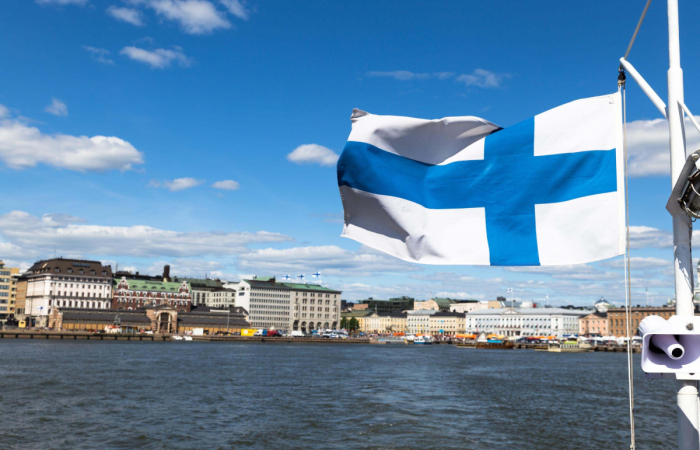
Finland’s decision to buy one million landmines creates a serious contradiction in the policy of the European Union, and is symbolic of a bigger dilemma facing European countries as they get used to the need to acquire “hard” power to face an increasing threat from Russia. Finland is seeking to acquire one million anti-personnel mines at a cost of 100 million euros. Finland, together with Poland, Latvia, Lithuania and Estonia last year abandoned the Ottawa agreement, the international framework that bans the use of anti-personnel mines, which the EU had been instrumental in establishing and supporting. All five countries cite the threat from Moscow as the reason. Colonel Riku Mikkonen of the Army Command told Finland’s national news agency STT that officials are now gathering information from suppliers regarding the deal, the AFP news agency reports. Helsinki would like domestic manufacturers to supply the mines, with contracts signed by the end of 2027 and production up and running by 2028. “It would be useful in many ways if Finnish companies produced the anti-personnel mines in Finland,” Mikkonen said. About half a dozen Finnish firms qualify, he told STT. “However, at this stage, buying the mines from abroad is not totally ruled out,” he added. LANDMINES PROVIDE THE EU WITH BOTH A CONTRADICTION, AND A DILEMMA Eliminating landmine contamination worldwide is one of the EU’s main soft power postures, and it basks in its record as the biggest funder of anti-landmine action in the world. But the fact that 5 of its 27 member states  have now left the Ottawa Treaty dents the EU moral high ground. It is a contradiction that is too big and important to be ignored. It also presents the European Union with a deeper dilemma. The threat from Russia is changing what the EU has stood for decades, namely a force for good able to mobilise its considerable soft power for the greater good of humanity. How the Union will implement this change will define its future. In the meantime landmines have not become any less lethal, benign, or unimportant. They remain in many parts of the world a major threat to life, an impediment to prosperity, and a potential trigger to further conflict. The 22 EU members states that still adhere to the Ottawa treaty must regroup, and be more assertive in their quest against anti-personnel land mines. All the reasons why they supported the Ottawa treaty in the first place still exist. The message must be clear: NO TO LANDMINES!

Popular

Editor's choice
Interview
Thursday Interview: Murad Muradov

Thursday Interview: Murad Muradov

Today, commonspace.eu starts a new regular weekly series. THURSDAY INTERVIEW, conducted by Lauri Nikulainen, will host  persons who are thinkers, opinion shapers, and implementors in their countries and spheres. We start the series with an interview with Murad Muradov, a leading person in Azerbaijan's think tank community. He is also the first co-chair of the Action Committee for a new Armenian-Azerbaijani Dialogue. Last September he made history by being the first Azerbaijani civil society activist to visit Armenia after the 44 day war, and the start of the peace process. Speaking about this visit Murad Muradov said: "My experience was largely positive. My negative expectations luckily didn’t play out. The discussions were respectful, the panel format bringing together experts from Armenia, Azerbaijan, and Turkey was particularly valuable during the NATO Rose-Roth Seminar in Yerevan, and media coverage, while varied in tone, remained largely constructive. Some media outlets though attempted to represent me as more of a government mouthpiece than an independent expert, which was totally misleading.  Overall, I see these initiatives as important steps in rebuilding trust and normalising professional engagement. The fact that soon a larger Azerbaijani civil society visits to Armenia followed, reinforces the sense that this process is moving in the right direction." (click the image to read the interview in full)

