Тонкая грань между стабильностью и стагнацией

"Стабильность и стагнацию разделяет очень тонкая грань, и когда правительства на Кавказе, а также в других регионах, обещают стабильность и вместо нее ведут страну к стагнации, делают это на свой страх и риск", - утверждает Деннис Саммут в этом обзоре.

С момента распада Советского Союза в 1991 году в политическом дискурсе Южного Кавказа звучало много слов, которыми часто злоупотребляли - Стабильность.

Это не случайность. Любой, кто помнит хаос, который царил в регионе в начале 1990-х годов, понимает почему так происходило. После обретения независимости людям вскоре надоел авантюризм, завернутый в национализм, который ознаменовал то время и они хотели определенности. Политики старой школы увидели в этом свой шанс и подали себя в роли тех, кто мог гарантировать стабильность. Они смогли продержаться некоторое время.

Однако, всегда существует опасность в случае, если вы основываете свою политику на стабильности, что ваша игра быстро превратится в стагнацию. Правительства, которые стагнирует, обречены. Они могут продержаться некоторое время силой, через силу или через покровительство, но скорее раньше, чем позже, ветер унесет и их.

Это в значительной степени то, что случилось с правительством Шеварднадзе в Грузии в 2003 году. По моему мнению стабильность, которую он принес в 1992 году, спасла Грузию от самой себя, но к 2003 году стране нужно было что-то другое и он не понимал этого, пока не стало слишком поздно. В прошлом месяце в Армении произошло нечто подобное. Правда, упаковка была иной, но основной проблемой был застой, который прокрался на все уровни армянского общества. Попытки переупаковать политический процесс разоблачили то, насколько глубока проблема.

Это весеннее время на Кавказе, а в разных местах люди беспокойны.

От Тбилиси до Степанакерте события и инциденты последних дней быстро превратились в политический кризис. Верховенство закона является самым слабым звеном в процессах, происходящих в регионе. Основаная проблема в том, что люди, особенно молодые люди, устали от покровительства. Они жаждут перемен. Они ненавидят стагнацию.

Нынешнее грузинское правительство, несмотря на свою популярность, подтвержденную на выборах в 2012 и 2016 годах, умудрилось запутаться в своих собственных ногах. Бидзине Иванишвили пришлось вернуться и озвучить некоторую дозу реализма в своем выступлении 11 мая. В Баку правительство продолжает добиваться стабильности как своего важнейшего достижения, в то время как общество в целом и молодые люди, в частности, считают, что застой является самой серьезной проблемой.

По всему региону стабильность стало грязным словом. Этого не должно быть так. Постоянные потрясения не подходит ни для какого общества. У хорошо функционирующих обществ должны быть механизмы, которые позволяют слышать оппозицию, поддерживать верховенство закона и держать правительство подотчетным. Должны быть надлежащим образом функционирующие парламент, суды, гражданские общества, свободные СМИ и т.д. Уличные протесты могут происходить тогда, когда люди почувствуют необходимость придать силы к своим аргументам. И если им отказали во всех других вариантах, то в этом случае уличные протесты остаются единственным способом, но без насилия.

Многие люди на Кавказе больше не считают, что стабильность стоит любой цены. Не потому, что они хотят беспорядков в своих странах, а потому, что они не хотят застоя, и они подозревают, что стабильность используется в качестве предлога для прекращения изменении. Стабильность и стагнацию разделяет очень тонкая грань, и когда правительства на Кавказе, а также в других регионах, обещают стабильность и вместо нее ведут страну к стагнации, делают это на свой страх и риск.

источник: Деннис Саммут - директор LINKS (Диалог, Анализ и Исследования).

Мнения, выраженные в комментариях и статьях, не обязательно отражают позицию commonspace.eu или ее партнеров

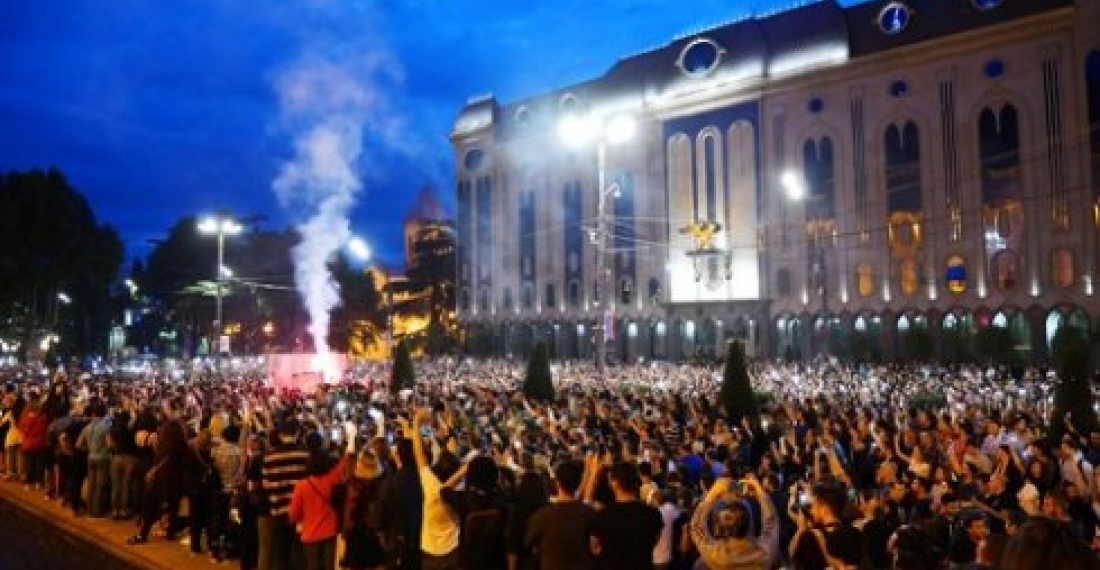
фото: Протесты перед парламентом Грузии 31 мая (фото предоставлено Радио Свободная Европа / Радио Свобода)
Related articles

Editor's choice
News
Germany accuses Russia of cyberattacks and disinformation campaign

Germany accuses Russia of cyberattacks and disinformation campaign

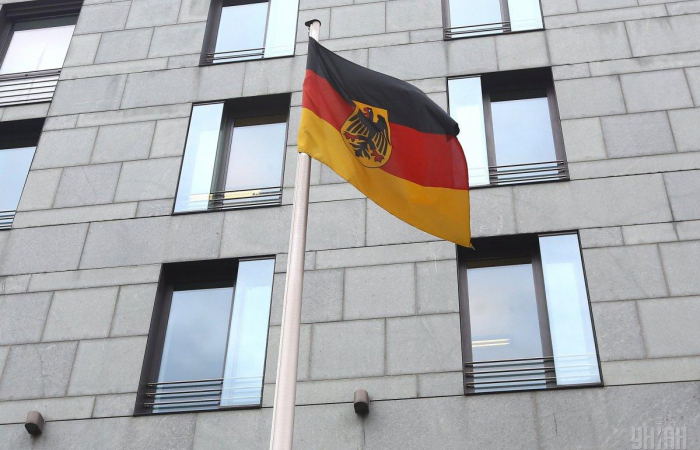
The German government holds Russia responsible for a cyberattack on German air traffic control, and for targeted disinformation campaigns before the last federal election. According to the German Foreign Office in Berlin, the incidents could be clearly attributed to the Russian military intelligence service, the GRU. In response, the Russian ambassador to Berlin was summoned to the Foreign Ministry. "We have been observing a massive increase in threatening hybrid activities by Russia for some time now," a spokesperson for the Foreign Ministry stated. These range from disinformation campaigns and espionage to cyberattacks and sabotage attempts. The aim is to divide society, sow distrust, and undermine confidence in democratic institutions. The spokesperson added that with these actions, Russia is "very concretely threatening our security, not only through its war of aggression against Ukraine, but also here in Germany."  The Foreign Ministry spokesperson explained that the cyberattack on air traffic control in August 2024 was clearly attributed to the hacker collective "APT28," known as "Fancy Bear," and to the responsibility of the Russian military intelligence service, the GRU. Furthermore, it could now be "conclusively stated" that Russia had attempted "to influence and destabilize both the last Federal election and the ongoing internal affairs of the Federal Republic of Germany." There was "absolutely irrefutable evidence" for this". The so-called "Storm 1516" campaign, which has been running since 2024, is allegedly backed by "reliable information" that the Moscow-based think tank "Center for Geopolitical Expertise" is behind it. The Center is also said to be supported by Russian military intelligence. Its primary aim is to influence democratic elections in the West. (Click the image to read more).
Editor's choice
News
NATO Chief says war is on Europe's doorstep, and warns against complacency

NATO Chief says war is on Europe's doorstep, and warns against complacency

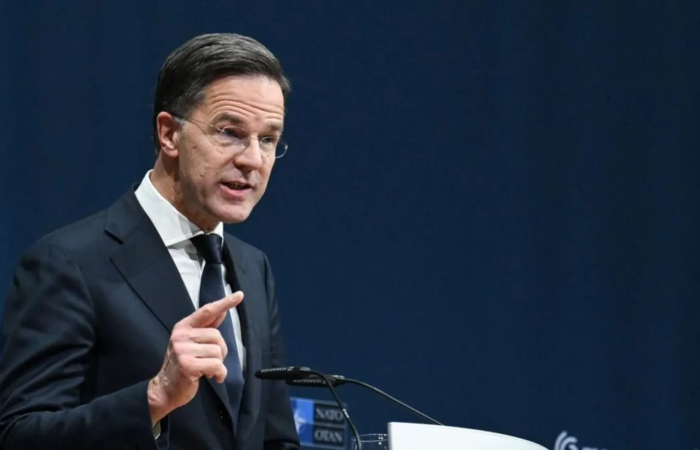
Russia could attack a NATO country within the next five years, the Secretary General of NATO, Mark Rutte, said in a stark new warning. "NATO's own defences can hold for now," Rutte warned in Berlin, but conflict was "next door" to Europe, and he feared "too many are quietly complacent, and too many don't feel the urgency, too many believe that time is on our side. "Russia is already escalating its covert campaign against our societies," Rutte said in a speech in Germany. "We must be prepared for the scale of war our grandparents or great-grandparents endured." Earlier this month, Russia's President Vladimir Putin said his country was not planning to go to war with Europe, but it was ready "right now" if Europe wanted to - or started a war. But similar reassurances were given by Moscow in 2022, just before 200,000 Russian troops crossed the border and invaded Ukraine. Putin has accused European countries of hindering US efforts to bring peace in Ukraine - a reference to the role Ukraine's European allies have recently played in trying to change a US peace plan to end the war, whose initial draft was seen as favouring Russia. But Putin was not sincere, Nato's secretary-general said in the German capital, Berlin. Supporting Ukraine, he added, was a guarantee for European security. "Just imagine if Putin got his way; Ukraine under the boot of Russian occupation, his forces pressing against a longer border with Nato, and the significantly increased risk of an armed attack against us." Russia's economy has been on a war footing for more than three years now - its factories churn out ever more supplies of drones, missiles and artillery shells. According to a recent report by the Kiel Institute for the World Economy, Russia has been producing each month around 150 tanks, 550 infantry fighting vehicles, 120 Lancet drones and more than 50 artillery pieces. The UK, and most of its Western allies, are simply not anywhere near this point. Analysts say it would take years for Western Europe's factories to come close to matching Russia's mass-production of weapons. "Allied defence spending and production must rise rapidly, our armed forces must have what they need to keep us safe," the Nato chief said.

Popular

Editor's choice
News
Germany accuses Russia of cyberattacks and disinformation campaign

Germany accuses Russia of cyberattacks and disinformation campaign

The German government holds Russia responsible for a cyberattack on German air traffic control, and for targeted disinformation campaigns before the last federal election. According to the German Foreign Office in Berlin, the incidents could be clearly attributed to the Russian military intelligence service, the GRU. In response, the Russian ambassador to Berlin was summoned to the Foreign Ministry. "We have been observing a massive increase in threatening hybrid activities by Russia for some time now," a spokesperson for the Foreign Ministry stated. These range from disinformation campaigns and espionage to cyberattacks and sabotage attempts. The aim is to divide society, sow distrust, and undermine confidence in democratic institutions. The spokesperson added that with these actions, Russia is "very concretely threatening our security, not only through its war of aggression against Ukraine, but also here in Germany."  The Foreign Ministry spokesperson explained that the cyberattack on air traffic control in August 2024 was clearly attributed to the hacker collective "APT28," known as "Fancy Bear," and to the responsibility of the Russian military intelligence service, the GRU. Furthermore, it could now be "conclusively stated" that Russia had attempted "to influence and destabilize both the last Federal election and the ongoing internal affairs of the Federal Republic of Germany." There was "absolutely irrefutable evidence" for this". The so-called "Storm 1516" campaign, which has been running since 2024, is allegedly backed by "reliable information" that the Moscow-based think tank "Center for Geopolitical Expertise" is behind it. The Center is also said to be supported by Russian military intelligence. Its primary aim is to influence democratic elections in the West. (Click the image to read more).