


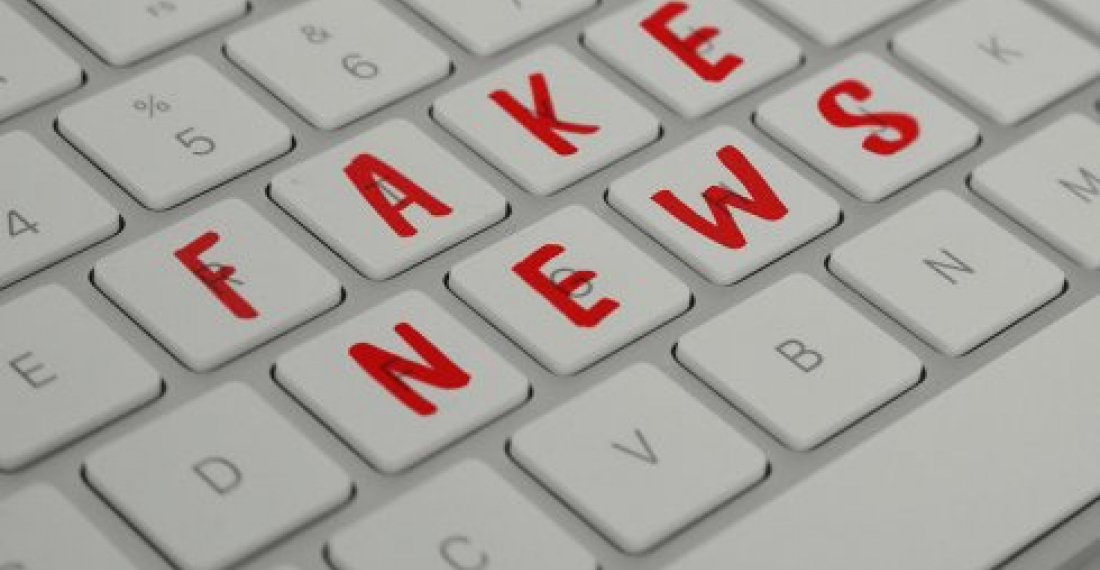
Ложные новости. Владейте фактами!

Поскольку мир борется с пандемией COVID-19, мы продолжаем сталкиваться с ложными новостями. Уильям Мюррей разоблачает некоторые из ложных советов.

Учитывая весь поток информации о том, как лучше всего бороться с коронавирусом, иногда трудно понять, чему из всего этого можно доверять. Это особенно актуально в настоящее время, когда люди находятся под большим напряжением и могут захотеть поверить в рассказы о «быстрых решениях» и панацеях. Хотя дезинформация не обязательно распространяется злонамеренно, но по-прежнему распространяются ложные советы - в лучшем случае бесполезные; а в худшем случае опасные. Чтобы избежать такую информацию, важно знать, чему мы можем доверять, а чему нет.

Вот три распространенные дезинформации, которые часто можно услышать:

Утверждение: Употребление алкоголя может предотвратить коронавирус

Реальность: это не только неправильно, но и очень опасно

Хотя это утверждение ложное, оно продолжает распространяться, чему не помогает тот факт, что в прошлом месяце президент Сербии шутливо рекламировал его. Алкоголь снижает иммунную систему организма и, следовательно, снижает его способность бороться с вирусом. Косвенно, опьянение также снижает уровень бдительности людей, что может легко привести к тому, что они меньше будут обращать внимания на надлежащие защитные меры. Алкоголь обвиняют в гибели 600 иранских граждан (еще тысячи были госпитализированы) после употребления чистого алкоголя в попытке уничтожить вирус. Хотя для дезинфекции рук и поверхностей можно использовать спирт высокого градуса, но его не следует употреблять для борьбы с вирусом.

Если вы заразились коронавирусом, то он у вас останется на всю жизнь

Реальность: это не так - большинство людей, заразившихся вирусом, выздоравливают

Такие проблемы опасны нескольким причинам. Во-первых, в то время как люди должны быть осторожны в отношении распространения вируса, такая информация, вероятно, усилит стресс таким образом, что он будет контрпродуктивным. Во-вторых, идея о том, что кто-то заражается вирусом на всю жизнь, может создать культуру стигматизации и привести к изолированию от тех, кто болел им. Хотя мы должны быть очень осторожными и максимально ограничивать контакты, особенно с теми, у кого проявляются вирусные симптомы, сейчас не время создавать негативные социальные барьеры между теми, у кого был вирус, и теми, у кого его нет.

Утверждение: Способность задерживать дыхание более 10 секунд означает, что у вас нет коронавируса

Реальность: Это не так.

В то время как люди с коронавирусом могут испытывать проблемы с дыханием, задержка дыхания в течение произвольного промежутка времени не является действительным тестом на его наличие. Этот «самопроверка» была ложно огласована Стэнфордским университетом, но была полностью опровергнута [4]. Вера в абсолютно необоснованный тест может усыпить людей, у которых могут быть незначительные симптомы, в ложное чувство безопасности, что сделает более вероятным дальнейшее распространение вируса.

Всемирная организация здравоохранения создала страницу «Коронавирусные мифбастеры», на которой были опубликованы эти и ряд других полезных и ложных сведений, которые нужно избегать.

Если вы услышите о новых ложных или бесполезных сведениях, о которых, по вашему мнению, должны знать люди, сообщите нам об этом на twitter @ commonspace.eu #knowthefacts

Источник: Уильям Мюррей, руководитель и координатор проекта LINKS Europe, для commonspace.eu.

 

Related articles

Editor's choice
News
Germany accuses Russia of cyberattacks and disinformation campaign

Germany accuses Russia of cyberattacks and disinformation campaign

The German government holds Russia responsible for a cyberattack on German air traffic control, and for targeted disinformation campaigns before the last federal election. According to the German Foreign Office in Berlin, the incidents could be clearly attributed to the Russian military intelligence service, the GRU. In response, the Russian ambassador to Berlin was summoned to the Foreign Ministry. "We have been observing a massive increase in threatening hybrid activities by Russia for some time now," a spokesperson for the Foreign Ministry stated. These range from disinformation campaigns and espionage to cyberattacks and sabotage attempts. The aim is to divide society, sow distrust, and undermine confidence in democratic institutions. The spokesperson added that with these actions, Russia is "very concretely threatening our security, not only through its war of aggression against Ukraine, but also here in Germany."  The Foreign Ministry spokesperson explained that the cyberattack on air traffic control in August 2024 was clearly attributed to the hacker collective "APT28," known as "Fancy Bear," and to the responsibility of the Russian military intelligence service, the GRU. Furthermore, it could now be "conclusively stated" that Russia had attempted "to influence and destabilize both the last Federal election and the ongoing internal affairs of the Federal Republic of Germany." There was "absolutely irrefutable evidence" for this". The so-called "Storm 1516" campaign, which has been running since 2024, is allegedly backed by "reliable information" that the Moscow-based think tank "Center for Geopolitical Expertise" is behind it. The Center is also said to be supported by Russian military intelligence. Its primary aim is to influence democratic elections in the West. (Click the image to read more).
Editor's choice
News
NATO Chief says war is on Europe's doorstep, and warns against complacency

NATO Chief says war is on Europe's doorstep, and warns against complacency

Russia could attack a NATO country within the next five years, the Secretary General of NATO, Mark Rutte, said in a stark new warning. "NATO's own defences can hold for now," Rutte warned in Berlin, but conflict was "next door" to Europe, and he feared "too many are quietly complacent, and too many don't feel the urgency, too many believe that time is on our side. "Russia is already escalating its covert campaign against our societies," Rutte said in a speech in Germany. "We must be prepared for the scale of war our grandparents or great-grandparents endured." Earlier this month, Russia's President Vladimir Putin said his country was not planning to go to war with Europe, but it was ready "right now" if Europe wanted to - or started a war. But similar reassurances were given by Moscow in 2022, just before 200,000 Russian troops crossed the border and invaded Ukraine. Putin has accused European countries of hindering US efforts to bring peace in Ukraine - a reference to the role Ukraine's European allies have recently played in trying to change a US peace plan to end the war, whose initial draft was seen as favouring Russia. But Putin was not sincere, Nato's secretary-general said in the German capital, Berlin. Supporting Ukraine, he added, was a guarantee for European security. "Just imagine if Putin got his way; Ukraine under the boot of Russian occupation, his forces pressing against a longer border with Nato, and the significantly increased risk of an armed attack against us." Russia's economy has been on a war footing for more than three years now - its factories churn out ever more supplies of drones, missiles and artillery shells. According to a recent report by the Kiel Institute for the World Economy, Russia has been producing each month around 150 tanks, 550 infantry fighting vehicles, 120 Lancet drones and more than 50 artillery pieces. The UK, and most of its Western allies, are simply not anywhere near this point. Analysts say it would take years for Western Europe's factories to come close to matching Russia's mass-production of weapons. "Allied defence spending and production must rise rapidly, our armed forces must have what they need to keep us safe," the Nato chief said.

Popular

Editor's choice
News
Germany accuses Russia of cyberattacks and disinformation campaign

Germany accuses Russia of cyberattacks and disinformation campaign

The German government holds Russia responsible for a cyberattack on German air traffic control, and for targeted disinformation campaigns before the last federal election. According to the German Foreign Office in Berlin, the incidents could be clearly attributed to the Russian military intelligence service, the GRU. In response, the Russian ambassador to Berlin was summoned to the Foreign Ministry. "We have been observing a massive increase in threatening hybrid activities by Russia for some time now," a spokesperson for the Foreign Ministry stated. These range from disinformation campaigns and espionage to cyberattacks and sabotage attempts. The aim is to divide society, sow distrust, and undermine confidence in democratic institutions. The spokesperson added that with these actions, Russia is "very concretely threatening our security, not only through its war of aggression against Ukraine, but also here in Germany."  The Foreign Ministry spokesperson explained that the cyberattack on air traffic control in August 2024 was clearly attributed to the hacker collective "APT28," known as "Fancy Bear," and to the responsibility of the Russian military intelligence service, the GRU. Furthermore, it could now be "conclusively stated" that Russia had attempted "to influence and destabilize both the last Federal election and the ongoing internal affairs of the Federal Republic of Germany." There was "absolutely irrefutable evidence" for this". The so-called "Storm 1516" campaign, which has been running since 2024, is allegedly backed by "reliable information" that the Moscow-based think tank "Center for Geopolitical Expertise" is behind it. The Center is also said to be supported by Russian military intelligence. Its primary aim is to influence democratic elections in the West. (Click the image to read more).


