


Карабахские выборы (Обновлено)

Обновление 1

В президентских выборах в самопровозглашенной Нагорно-Карабахской Республике состоится второй тур выборов, поскольку ни один из кандидатов не набрал необходимых 50% голосов. Однако Араик Арутюнян, набравший 36 076 голосов (49,26%), оказался фаворитом. Занявший второе место, Масис Майелян получил 19 360 голосов (26,4) и присоединится к гонке во втором туре. Третий кандидат, Виталий Баласанян, получил 10 755 голосов (14,7%). Было еще одиннадцать кандидатов, каждый из которых получил менее 3% голосов.

———

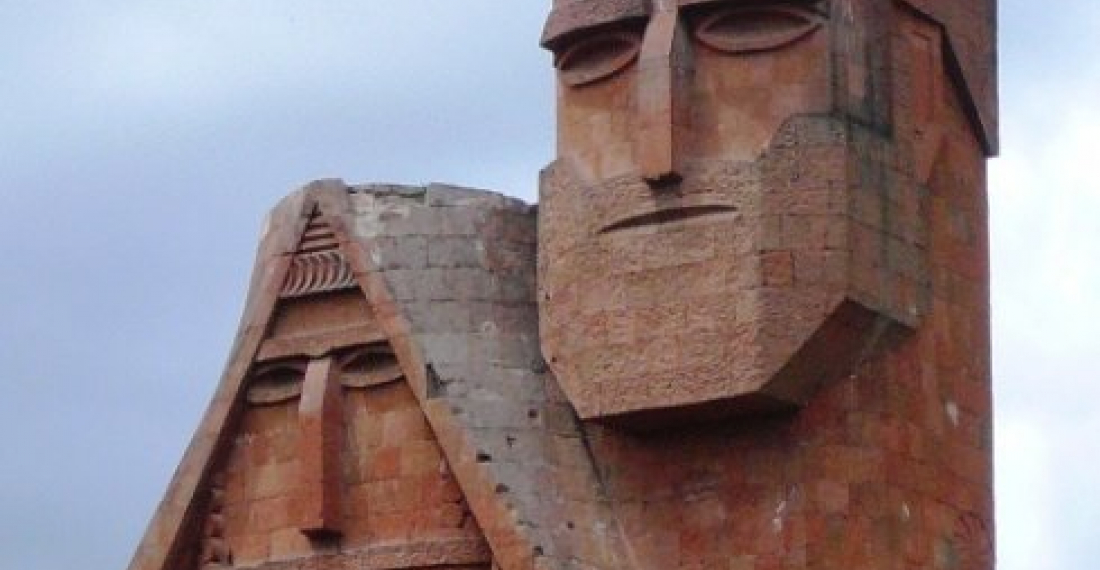
Во вторник (31 марта) в самопровозглашенной Нагорно-Карабахской Республике состоялись выборы нового президента и парламента на территории самообразования.

По предварительным данным, в выборах приняли участие 76 471 избиратель, что соответствует 72,7% избирателей, имеющих право голоса.

На пост президента претендовало 14 кандидатов, а за места в парламенте боролись 12 политических партий.

Результаты ожидаются сегодня позже.

Выборы в Нагорном Карабахе не признаются международным сообществом.

В заявлении, опубликованном во вторник странами-сопредседателями Минской группы ОБСЕ, которая уполномочена выступать посредником в урегулировании нагорно-карабахского конфликта, говорится, что:

"В контексте всеобъемлющего урегулирования нагорно-карабахского конфликта сопредседатели признают роль населения Нагорного Карабаха в определении его будущего в соответствии с принципами и элементами, изложенными в заявлении сопредседателей от 9 Марта 2019 года. Сопредседатели отмечают, однако, что Нагорный Карабах не признан в качестве независимого и суверенного государства ни одной из стран-сопредседателей или какой-либо другой страной.

Соответственно, сопредседатели не признают результаты этих «выборов» как влияющие на правовой статус Нагорного Карабаха и подчеркивают, что результаты никоим образом не предопределяют окончательный статус Нагорного Карабаха или результаты продолжающихся переговоров по прочному и мирному урегулированию нагорно-карабахского конфликта".

Аналогичное заявление было сделано вчера Европейским союзом. Подробнее читайте здесь.

источник: commonspace.eu

 

Related articles

Editor's choice
News
The British prime minister says Europe must "stand on its own two feet" when it comes to defence

The British prime minister says Europe must "stand on its own two feet" when it comes to defence

The UK will deploy a carrier strike group, led by the aircraft carrier HMS Prince of Wales to the Arctic and the High North as part of efforts to bolster security against Russian threats. British prime minister, Sir Keir Starmer announced the deployment in a speech on Saturday (14 February) at the Munich Security Conference. Europe must be ready to fight to protect its people, values, and way of life,  Sir Keir told the Conference. Starmer also called for deeper links and cooperation, including economic ties, between the UK and EU. The PM stressed the continent must "stand on its own two feet" when it comes to defence commitments. "We must build our hard power, because that is the currency of the age," he told the conference. (Click image to read the full story).

Popular

Editor's choice
Interview
Thursday Interview: Murad Muradov

Thursday Interview: Murad Muradov

Today, commonspace.eu starts a new regular weekly series. THURSDAY INTERVIEW, conducted by Lauri Nikulainen, will host  persons who are thinkers, opinion shapers, and implementors in their countries and spheres. We start the series with an interview with Murad Muradov, a leading person in Azerbaijan's think tank community. He is also the first co-chair of the Action Committee for a new Armenian-Azerbaijani Dialogue. Last September he made history by being the first Azerbaijani civil society activist to visit Armenia after the 44 day war, and the start of the peace process. Speaking about this visit Murad Muradov said: "My experience was largely positive. My negative expectations luckily didn’t play out. The discussions were respectful, the panel format bringing together experts from Armenia, Azerbaijan, and Turkey was particularly valuable during the NATO Rose-Roth Seminar in Yerevan, and media coverage, while varied in tone, remained largely constructive. Some media outlets though attempted to represent me as more of a government mouthpiece than an independent expert, which was totally misleading.  Overall, I see these initiatives as important steps in rebuilding trust and normalising professional engagement. The fact that soon a larger Azerbaijani civil society visits to Armenia followed, reinforces the sense that this process is moving in the right direction." (click the image to read the interview in full)


