Турция в трауре.

Мировые лидеры выразили солидарность с Турцией следующую смертельную атаку в субботу, 10 октября () на мирном митинге в столице Анкаре, в результате которого погибли почти сто человек и ранено много других.

Мировые лидеры выражают солидарность Турции в связи с террористической атакой против мирной демонстрации в Анкаре, в результе которой погибли около ста человек и многие получили ранения.

Турецкое новостное агентство Anadolu опубликовало заявление офиса премьер-министра Ахмета Давутоглу, в котором говорится, что, по крайней мере, 95 человек были убиты и 246 ранены в результате двух взрывов в субботу. Правительство объявило трех дневный национальный траур.

Представители спецслужб, расположенных в столице, пожелавшие не называть своих имен, сообщили агентству Anadolu, что нападение было совершено двумя террористами-смертниками с использованием TNT взрывчатых веществ, наполненные металлическими шариками.

Полицейские говорят, что нашли части тел, принадлежащие двум смертникам, и работают над их идентификацией. Власти также проверяют записи камер безопасности с места происшествия.

Чиновники в Анкаре также заявили, что метод нападения и количество взрывчатых веществ напоминают атаку террориста-смертника в Суруч 20 июля этого года. В этом южном турецком городе в результате взрыва бомбы в месте сбора про-курдских активистов были убиты десятки людей.

Число погибших в результате нынешней атаки стало самым большим в новейшей истории Турции.

Нападение за пределами главного железнодорожного вокзала Анкары было направлено на собирающихся принять участие в демонстрации, цель которой было призвать к прекращению возобновления конфликта на юго-востоке региона Турции.

В этом месте во время взрывов находилось приблизительно 14,000 человек.

Мировые лидеры выражают солидарность

Мировые лидеры выразили солидарность турецкому народу. Поздно вечером в субботу, президент США Барак Обама переговорил с президентом Турции Реджепом Тайип Эрдоганом и "выразил свои глубокие личные симпатии убитым и раненым в этих чудовищных нападениях," сообщает Белый дом. Свою солидарность выразили также канцлер Германии Ангела Меркель и президент Франции Франсуа Олланд.

В совместном заявлении Федерика Могерини, Верховный представитель по иностранным делам и политике безопасности Европейского Союза, и Йоханнес Хан, Европейский комиссар по вопросам расширения и политики добрососедства, заявили:

"Сегодня Турцию потрясла новая трагедия. Люди, планировавшие принять участие в мирной демонстрации возле железнодорожного вокзала Анкары стали мишенью для взрыва бомбы: в результате чего много убитых и раненых. Мы выражаем наши искренние соболезнования семьям погибших и желаем скорейшего выздоровления пострадавшим. Мы сочувствуем турецкому народу и правительству.

Народ Турции и все политические силы должны объединиться против террористов и против всех тех, кто пытается дестабилизировать страну, которая сталкивается со многими угрозами. ЕС полон решимости победить тех, кто хочет рзрушить и дестабилизировать общество. Мы поддерживаем всех тех людей в Турции, кто работает совместно, чтобы противостоять насилию и терроризму. Наше партнерство и взаимодействие с турецкими властями и турецким обществом на всех уровнях сильное как никогда прежде."

Свои соболезнования также были направлены руководителями соседних стран Южного Кавказа. Президент Азербайджана Ильхам Алиев в субботу переговорил по телефону со своим турецким коллегой Реджепом Тайипом Эрдоганом.

Государственное информационное агентство АзерТАдж цитирует слова Алиева, заявившего, что он глубоко потрясен известием о многочисленных человеческих жертвах и выражает глубокие соболезнования семьям и близким погибших, братскому турецкому народу. Президент Ильхам Алиев еще раз подчеркнул, что азербайджанский народ стоят рядом с народом Турции в эти трудные времена.

Президент Армении Серж Саргсян также был среди направивших соболезнования Президенту Турции Реджеп Тайип Эрдогану в субботу. Президент Саргсян "осуждает любые проявления терроризма и пожелал стойкости и крепости духа родственникам пострадавших, а раненым - скорейшего выздоровления", сообщают армянские СМИ из Еревана.

Сообщения также были направлены от грузинских руководителей. Президент Грузии, Георгий Маргвелашвили, в своем послании заявил: "В это трудное время, от имени грузинского народа я выражаю соболезнования семьям погибших, а также выражаю твердую поддержку в отношении народа и правительства Турции". В отдельном заявлении премьер-министр Гарибашвили сообщил, что он был "потрясен терактом в столице Турции." "Весь мир должен объединиться в борьбе против терроризма", сказал Гарибашвили в своем заявлении.

источник: commonspace.eu по материалам агентства Anadolou (Турция) и других средств массовой информации.

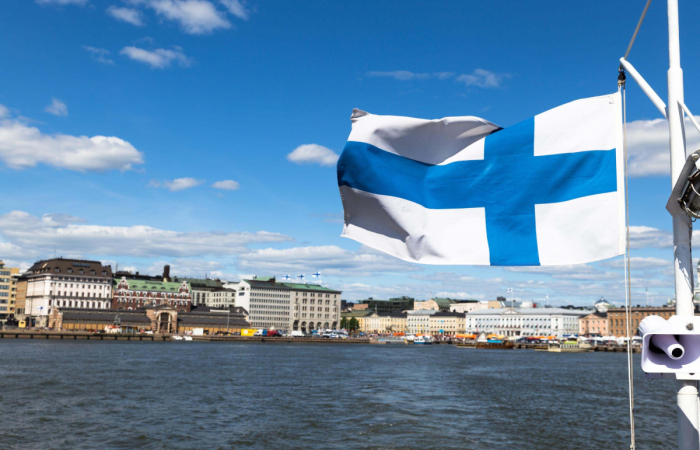
фото: Приспущенные турецкие флаги (фото из архива).

 

Related articles

Editor's choice
News
COP 17 in Armenia

COP 17 in Armenia

Armenia is currently hosting the COP17 conference of the Convention on Biological Diversity, which began earlier this week (19 October) and will run until 30 October, bringing around 15,000 participants from 196 different countries to Yerevan. At a leaders' summit held as part of COP17, Prime Minister Nikol Pashinyan expressed realistic ambitions: “We are halfway towards achieving these goals (Kunming-Montreal Global Biodiversity Framework), and we must honestly acknowledge that we are not yet moving in the right direction. Our task now is not to make new promises, but to fulfil the commitments we have already made.” Pashinyan pointed towards Armenia's own records, noting that the whitefish stock in Lake Sevan has increased substantially in the last ten years. Iranian President Masoud Pezeshkian and Georgian Prime Minister Irakli Kobakhidze also addressed the summit, with Turkiye sending its agriculture minister. However, there were no reports of Azerbaijani representatives attending. The conference has given Yerevan a valuable international platform, yet the absence of Azerbaijan is likely to be read as a sign that the peace process in the South Caucasus has not yet been translated into wider regional cooperation. The leaders' summit was opened by Armenian Prime Minister Nikol Pashinyan, who stressed that hosting the conference was a great honour for Armenia. He expressed hope that it would 'be productive and contribute to protecting our planet's biodiversity'. 'We – the citizens of Armenia, the government, state authorities and local governments – owe a debt to our nature,' the prime minister said. He noted that the international community had already developed the concept of 'living in harmony with nature’ and adopted the Kunming-Montreal Global Biodiversity Framework in 2022, setting out goals and specific targets to be achieved by 2030. 'We are halfway towards achieving these goals, and we must honestly acknowledge that we are not yet moving in the right direction. Our task now is not to make new promises, but to fulfil the commitments we have already made,' Nikol Pashinyan said. The COP17 conference is expected to adopt a declaration at leaders' level. More than 30 documents are scheduled for discussion. If approved, the commitments set out in them will become legally binding on countries that are parties to the Convention on Biological Diversity.”
Editor's choice
News
Landmines present to the European Union both a contradiction and a dilemma

Landmines present to the European Union both a contradiction and a dilemma

Finland’s decision to buy one million landmines creates a serious contradiction in the policy of the European Union, and is symbolic of a bigger dilemma facing European countries as they get used to the need to acquire “hard” power to face an increasing threat from Russia. Finland is seeking to acquire one million anti-personnel mines at a cost of 100 million euros. Finland, together with Poland, Latvia, Lithuania and Estonia last year abandoned the Ottawa agreement, the international framework that bans the use of anti-personnel mines, which the EU had been instrumental in establishing and supporting. All five countries cite the threat from Moscow as the reason. Colonel Riku Mikkonen of the Army Command told Finland’s national news agency STT that officials are now gathering information from suppliers regarding the deal, the AFP news agency reports. Helsinki would like domestic manufacturers to supply the mines, with contracts signed by the end of 2027 and production up and running by 2028. “It would be useful in many ways if Finnish companies produced the anti-personnel mines in Finland,” Mikkonen said. About half a dozen Finnish firms qualify, he told STT. “However, at this stage, buying the mines from abroad is not totally ruled out,” he added. LANDMINES PROVIDE THE EU WITH BOTH A CONTRADICTION, AND A DILEMMA Eliminating landmine contamination worldwide is one of the EU’s main soft power postures, and it basks in its record as the biggest funder of anti-landmine action in the world. But the fact that 5 of its 27 member states  have now left the Ottawa Treaty dents the EU moral high ground. It is a contradiction that is too big and important to be ignored. It also presents the European Union with a deeper dilemma. The threat from Russia is changing what the EU has stood for decades, namely a force for good able to mobilise its considerable soft power for the greater good of humanity. How the Union will implement this change will define its future. In the meantime landmines have not become any less lethal, benign, or unimportant. They remain in many parts of the world a major threat to life, an impediment to prosperity, and a potential trigger to further conflict. The 22 EU members states that still adhere to the Ottawa treaty must regroup, and be more assertive in their quest against anti-personnel land mines. All the reasons why they supported the Ottawa treaty in the first place still exist. The message must be clear: NO TO LANDMINES!

Popular

Editor's choice
Interview
Thursday Interview: Murad Muradov

Thursday Interview: Murad Muradov

Today, commonspace.eu starts a new regular weekly series. THURSDAY INTERVIEW, conducted by Lauri Nikulainen, will host  persons who are thinkers, opinion shapers, and implementors in their countries and spheres. We start the series with an interview with Murad Muradov, a leading person in Azerbaijan's think tank community. He is also the first co-chair of the Action Committee for a new Armenian-Azerbaijani Dialogue. Last September he made history by being the first Azerbaijani civil society activist to visit Armenia after the 44 day war, and the start of the peace process. Speaking about this visit Murad Muradov said: "My experience was largely positive. My negative expectations luckily didn’t play out. The discussions were respectful, the panel format bringing together experts from Armenia, Azerbaijan, and Turkey was particularly valuable during the NATO Rose-Roth Seminar in Yerevan, and media coverage, while varied in tone, remained largely constructive. Some media outlets though attempted to represent me as more of a government mouthpiece than an independent expert, which was totally misleading.  Overall, I see these initiatives as important steps in rebuilding trust and normalising professional engagement. The fact that soon a larger Azerbaijani civil society visits to Armenia followed, reinforces the sense that this process is moving in the right direction." (click the image to read the interview in full)