


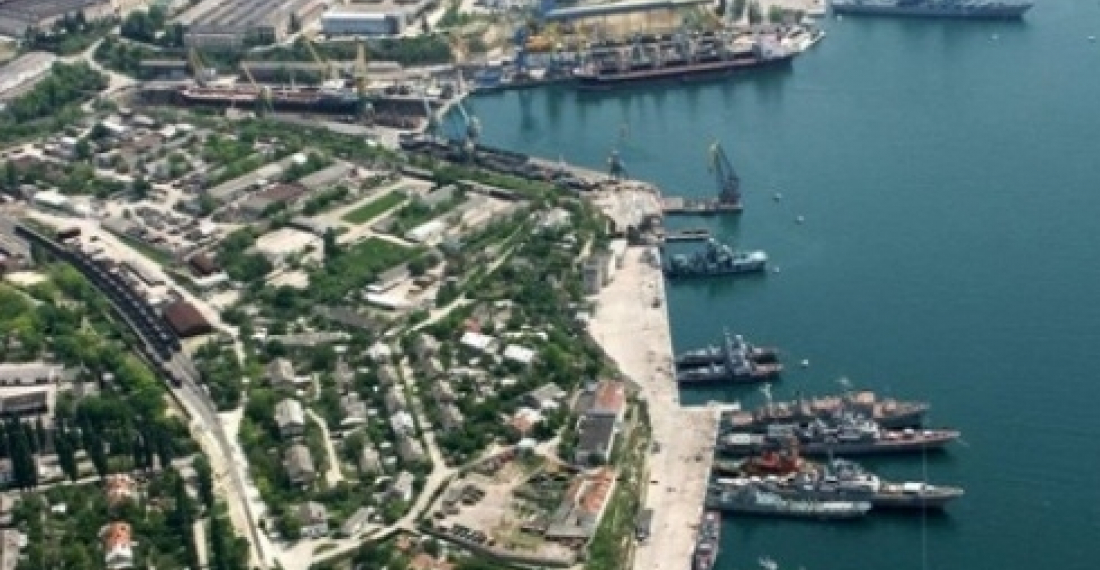
Путин подчеркивает роль российского флота, обращая внимание на задержки военно-морской программы закупок в $ 166 млрд.

Президент России Владимир Путин еще раз подчеркнул важность восстановления ВМФ России, но задержки на производстве означает, что многие новые суда будут спущены на воду с опозданием. Президент Путин вчера провел совещание по вопросам развития военно-морского флота, на котором была рассмотрена программа закупок. Путин заявил на встрече, что в прошлом году около 750 военных кораблей были модернизированы или отремонтированы, но и то, что разработка и тестирование новых надводных кораблей и подводных лодок проходит с опозданием.

В прошлом году Путин заявил, что закупка новых кораблей и подводных лодок для ВМФ будет приоритетом в течение следующего десятилетия. Российское правительство выделило для флота пять триллионов рублей (166 миллиардов долларов), или четверть всего бюджета закупок всех вооружений до 2020 года.

Министр обороны РФ Сергей Шойгу заявил в марте, что ВМФ получит 24 подводные лодки и 54 боевых надводных корабля к 2020 году.

В последние месяцы в Средиземном море наблюдалось наращивание сил ВМФ России. Хотя первоначально это было связано с продолжающимся кризисом в Сирии, затем стало ясно, что Россия хочет сохранить свою военно-морскую эскадру в Средиземном море на постоянной основе, и поэтому корабли с Дальнего Востока, Черноморского и Северного флотов были прикреплены к новому эскадрону. Российский флот выступает как средство проецирования силы за ее границей.

Источник: commonspace.eu по материалам РИА Новости

фото: Верфь Черноморского флота в Севастополе с подразделениями Военно-морского флота России на якорной стоянке (фото любезно предоставлено РИА Новости)


Related articles

Editor's choice
News
Azerbaijan-Armenia Internet Transit Deal Marks New Step in Regional Connectivity

Azerbaijan-Armenia Internet Transit Deal Marks New Step in Regional Connectivity

Azerbaijan and Armenia have signed an agreement allowing the mutual transit of international internet traffic, creating a direct telecommunications link between the two countries for the first time since the collapse of the Soviet Union. The deal, announced on 17 June by AzerTelecom and Telecom Armenia, is intended to improve route diversity and network resilience in the South Caucasus. The development follows a gradual process of normalisation of relations between Baku and Yerevan. Notably, Azerbaijan has repeatedly identified the restoration of transport and communication links as a key component of a future peace settlement. Since the initialling of a peace agreement during a summit in Washington in August 2025, the two sides have taken several important steps, including progress on border delimitation and the easing of certain transit restrictions. The telecommunications agreement is also significant because it was negotiated by private operators rather than government officials. Industry observers note that commercial infrastructure projects can create long-term economic ties and mutual dependencies that are more difficult to reverse than political declarations.

Popular

Editor's choice
Interview
Thursday Interview: Murad Muradov

Thursday Interview: Murad Muradov

Today, commonspace.eu starts a new regular weekly series. THURSDAY INTERVIEW, conducted by Lauri Nikulainen, will host  persons who are thinkers, opinion shapers, and implementors in their countries and spheres. We start the series with an interview with Murad Muradov, a leading person in Azerbaijan's think tank community. He is also the first co-chair of the Action Committee for a new Armenian-Azerbaijani Dialogue. Last September he made history by being the first Azerbaijani civil society activist to visit Armenia after the 44 day war, and the start of the peace process. Speaking about this visit Murad Muradov said: "My experience was largely positive. My negative expectations luckily didn’t play out. The discussions were respectful, the panel format bringing together experts from Armenia, Azerbaijan, and Turkey was particularly valuable during the NATO Rose-Roth Seminar in Yerevan, and media coverage, while varied in tone, remained largely constructive. Some media outlets though attempted to represent me as more of a government mouthpiece than an independent expert, which was totally misleading.  Overall, I see these initiatives as important steps in rebuilding trust and normalising professional engagement. The fact that soon a larger Azerbaijani civil society visits to Armenia followed, reinforces the sense that this process is moving in the right direction." (click the image to read the interview in full)

