АЛЕКСАНДР АНКВАБ ПОБЕЖДАЕТ НА ПРЕЗИДЕНТСКИХ ВЫБОРАХ В АБХАЗИИ
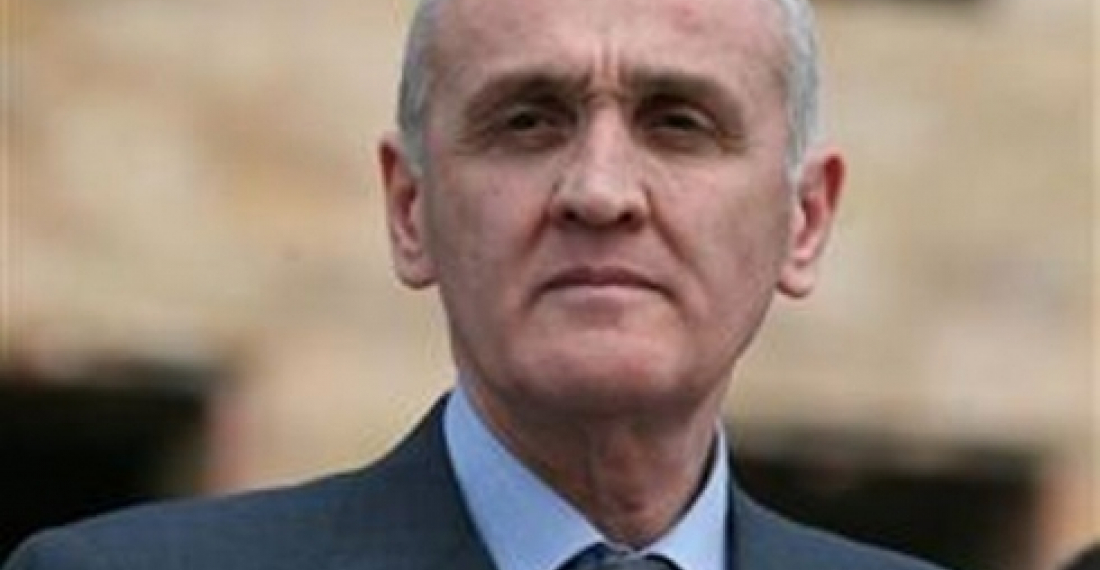
РИА Новости сообщают, что исполняющий обязанности президента Абхазии Александр Анкваб выиграл президентские выборы, получив 54,86% голосов, цитируя субботнее заявление Батал Табагуа, главу Центральной избирательной комиссии Абхазии.

"Александр Золотинскович избран президентом, за него проголосовали 54,86% избирателей", - сказал он. Таким образом, второй тур выборов не понадобится - для победы в первом кандидат должен был набрать 50% голосов плюс один голос. По словам главы Центризбиркома, второе место на выборах занял премьер-министр Сергей Шамба с 21,04%. Замыкает список лидер оппозиции Рауль Хаджимба, за которого проголосовали 19,83% избирателей.

Всего в выборах приняли участие 71,92% избирателей, внесенных в списки для голосования.

Абхазия отделились от Грузии в 1993 году и была признана в качестве независимого государства только со стороны России и нескольких других маргинальных стран.

Анкваб за свои 58 лет сделал карьеру чиновника в Министерстве внутренних дел, был премьер-министром во время первого президентского срока второго президента Абхазии Сергея Багапша (2005-09) и с тех пор работал в качестве вице-президента. "Радио Свобода" охарактеризовала Анкваба, как "сурового, с чувством юмора и саркастического", но добавляет, что "Анкваба, тем не менее уважают за его нетерпимость к преступности и коррупции. Это целеустремленность является наиболее вероятной причиной того, почему он стал объектом не менее чем четырех покушении в течение последних шести лет ".

Политический редактор Commonspace.eu пишет о том, что выбор Анкваба представляет преемственность и вряд ли приведет к каким-либо серьезным изменениям в администрирований самопровозглашенной республики, и в её важных взамоотношениях с Москвой. Его избрание указывает на сохраняющиеся опасения среди жителей Абхазии о будущем, несмотря на поддержку и заверения со стороны
России.

Фото: Предоставлено РИА Новости

Источник: commonspace.eu по материалам РИА Новости и Радио Свободы Европа

Related articles

Editor's choice
News
The British prime minister says Europe must "stand on its own two feet" when it comes to defence

The British prime minister says Europe must "stand on its own two feet" when it comes to defence

The UK will deploy a carrier strike group, led by the aircraft carrier HMS Prince of Wales to the Arctic and the High North as part of efforts to bolster security against Russian threats. British prime minister, Sir Keir Starmer announced the deployment in a speech on Saturday (14 February) at the Munich Security Conference. Europe must be ready to fight to protect its people, values, and way of life,  Sir Keir told the Conference. Starmer also called for deeper links and cooperation, including economic ties, between the UK and EU. The PM stressed the continent must "stand on its own two feet" when it comes to defence commitments. "We must build our hard power, because that is the currency of the age," he told the conference. (Click image to read the full story).

Popular

Editor's choice
Interview
Thursday Interview: Murad Muradov

Thursday Interview: Murad Muradov

Today, commonspace.eu starts a new regular weekly series. THURSDAY INTERVIEW, conducted by Lauri Nikulainen, will host  persons who are thinkers, opinion shapers, and implementors in their countries and spheres. We start the series with an interview with Murad Muradov, a leading person in Azerbaijan's think tank community. He is also the first co-chair of the Action Committee for a new Armenian-Azerbaijani Dialogue. Last September he made history by being the first Azerbaijani civil society activist to visit Armenia after the 44 day war, and the start of the peace process. Speaking about this visit Murad Muradov said: "My experience was largely positive. My negative expectations luckily didn’t play out. The discussions were respectful, the panel format bringing together experts from Armenia, Azerbaijan, and Turkey was particularly valuable during the NATO Rose-Roth Seminar in Yerevan, and media coverage, while varied in tone, remained largely constructive. Some media outlets though attempted to represent me as more of a government mouthpiece than an independent expert, which was totally misleading.  Overall, I see these initiatives as important steps in rebuilding trust and normalising professional engagement. The fact that soon a larger Azerbaijani civil society visits to Armenia followed, reinforces the sense that this process is moving in the right direction." (click the image to read the interview in full)