Армения и Азербайджан приветствовали соглашение по иранской ядерной программе.

Правительства Азербайджана и Армении вместе с другими странами, приветствовали рамочное соглашение, подписанное вчера между Ираном и мировыми державами с целью положить конец противостоянию вокруг ядерной программы Ирана. В отдельных, но очень похожих заявлениях, Министерства иностранных дел Армении и Азербайджана приветствовали соглашение в качестве шага на пути к миру и стабильности в регионе.

В заявлении министра иностранных дел Армении, Эдварда Налбандяна, говорится следующее:

"Армения приветствует рамочную договоренность по Иранской ядерной программе, достигнутой в результате длительных, конструктивных усилий Ирана и международных посредников - России, США, Китая, Франции, Соединенного Королевства, Германии, Европейского союза, что открывает возможность выйти на всеобъемлющее урегулирование. Это будет способствовать укреплению стабильности и сотрудничества в регионе Серьезный прогресс в процессе урегулирования иранской ядерной проблемы, свидетельствует о том, что даже самые сложные проблемы возможно решить путем переговоров."

Министерство иностранных дел Азербайджана также прокомментировало соглашение по иранской ядерной программе. В заявлении, размещенном на сайте министерства, сказано следующее:

"Министерство иностранных дел Азербайджанской Республики приветствует продвижение по основным параметрам всестороннего совместного плана действий на переговорах между Р5+1, Евросоюзом и Исламской Республикой Иран. Мы верим, что эти политические рамки создадут возможность для установления мира, безопасности в регионе и за его пределами. Азербайджанская Республика поддерживает усилия и политическую волю международной общественности по конструктивному решению международных проблем на основе норм и принципов Устава ООН и международного права"

Политический редактор Commonspace.eu в комментарий сообщает: "В разгар противостояния между Ираном и международным сообществом вокруг ядерной проблемы, несколько лет назад, это проблема вызывала серьезное беспокойство в Кавказском регионе из-за возможных последствий какого-либо военного противостояния. У стран этого региона сложились сложные отношения с Ираном - эти отношения основываются на многовековой истории. Однако, в последние два десятилетия Иран в значительной степени был изолирован от международного сообщества, и страны Южного Кавказа были очень осторожны в своих отношениях с ним, чтобы они не спровоцировать гнев Соединенных Штатов и Европы. Ситуация стала спокойнее в последние годы, когда начались мирные переговоры, и, как ожидается, в дальнейшем она будет теперь улучшаться, когда достигнуто рамочное соглашение, которое, как можно надеяться, приведет к окончательному разрешению проблемы, а именно - путем обеспечения того, что Иран не будет разрабатывать военный ядерный потенциал, а следовательно, мы в будущем увидем более жесткую иранскую внешнюю политику на Южном Кавказе. Известно, что иранское руководство стремится к более заметной роли в регионе. Это может и не произойдет в течение ближайшего времени, но когда это произойдет, без сомнения, всплывут другие проблемы. Однако, конструктивное взаимодействие с Ираном в настоящее время представляется возможным, и правительства стран этого региона приветствуя соглашение, достигнутое в Лозанне в четверг, поступают правильно".

Источник: commonspace.eu

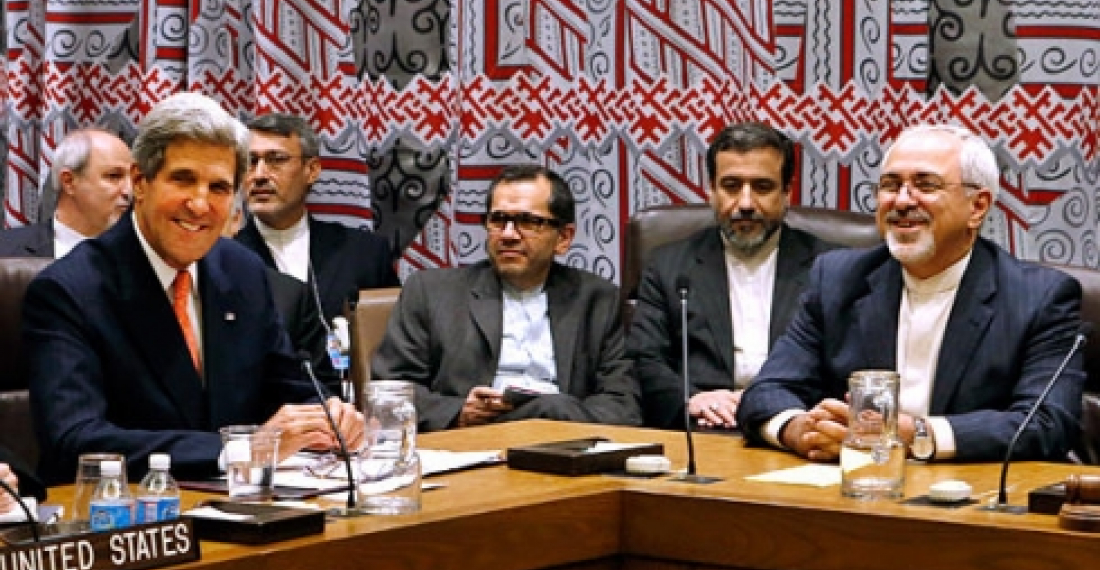
Фото: Должностные лица США и Ирана на заседании в Лозанне, 2 апреля 2015
Related articles

Editor's choice
News
Pope Leo XIV, has called on world leaders to lay down their weapons and choose “encounter” over domination

Pope Leo XIV, has called on world leaders to lay down their weapons and choose “encounter” over domination

The leader of the Catholic Church, Pope Leo XIV, has called on world leaders to lay down their weapons and choose “encounter” over domination. “Let those who have weapons lay them down!”, the Pope urged on Easter Sunday in his traditional Urbi et Orbi message. Speaking to the tens of thousands of pilgrims gathered in St Peter's Square, Pope Leo urged "those who have the power to unleash wars" to chose peace.  This should not be a peace “imposed by force”, he stressed, but one achieved through dialogue – “not with the desire to dominate others, but to encounter them”. Pope Leo warned that the world is “growing accustomed to violence”. We are “becoming indifferent”, he said, not only to the deaths of thousands of people, but to the “hatred and division” war causes, as well as its “economic and social consequences”. Borrowing a phrase from the late Pope Francis, Pope Leo warned of the “ever-increasing ‘globalisation of indifference’”. “We cannot continue to be indifferent!”, he urged. “We cannot resign ourselves to evil!”. For this reason, he said, he would be leading a prayer vigil for peace next Saturday, April 11th, in St Peter’s Basilica.
Editor's choice
News
Israel destroys 17 UNIFIL Cameras

Israel destroys 17 UNIFIL Cameras

Israeli forces destroyed 17 surveillance cameras linked to the United Nations peacekeepers’ main headquarters in southern Lebanon in 24 hours, a UN security official told AFP on Saturday. Since the start of the Israel-Hezbollah war on March 2, the UN Interim Force in Lebanon (UNIFIL) has been caught in the crossfire in the country’s south, with Hezbollah launching attacks on Israel and its troops, and Israeli forces pushing into border towns. The official, who requested anonymity, said “17 of the headquarters’ cameras have been destroyed by the Israeli army” in the coastal town of Naqura. UNIFIL spokeswoman Kandice Ardiel told AFP on Saturday that “the cameras appear to have been destroyed by some kind of laser.” She added that “(Israeli) soldiers are present in Naqura and have been undertaking massive demolitions of buildings in the village this week.” Earlier this week, Ardiel told AFP that “not only have these demolitions destroyed civilian homes and businesses, but the strength of the blasts have caused damage to UNIFIL’s headquarters.” Three Indonesian peacekeepers from the UN force have been killed in two separate incidents over the past week. UNIFIL also reported Friday an “explosion” in one of its bases near Odaisseh in south Lebanon that wounded three personnel, adding that they “do not yet know the origin of the explosion.” The Israeli army accused Hezbollah of firing “a rocket that landed in a UNIFIL outpost.” The UN office in Jakarta said on Saturday the wounded were Indonesian. Indonesia condemned the incident as “unacceptable,” saying “these events underscore the urgent need to strengthen protection for UN peacekeeping forces amid an increasingly dangerous conflict situation.” According to the UN, 97 force members have been killed in violence since its establishment in 1978 to monitor the withdrawal of Israeli forces after they invaded Lebanon.

Popular

Editor's choice
Interview
Thursday Interview: Murad Muradov

Thursday Interview: Murad Muradov

Today, commonspace.eu starts a new regular weekly series. THURSDAY INTERVIEW, conducted by Lauri Nikulainen, will host  persons who are thinkers, opinion shapers, and implementors in their countries and spheres. We start the series with an interview with Murad Muradov, a leading person in Azerbaijan's think tank community. He is also the first co-chair of the Action Committee for a new Armenian-Azerbaijani Dialogue. Last September he made history by being the first Azerbaijani civil society activist to visit Armenia after the 44 day war, and the start of the peace process. Speaking about this visit Murad Muradov said: "My experience was largely positive. My negative expectations luckily didn’t play out. The discussions were respectful, the panel format bringing together experts from Armenia, Azerbaijan, and Turkey was particularly valuable during the NATO Rose-Roth Seminar in Yerevan, and media coverage, while varied in tone, remained largely constructive. Some media outlets though attempted to represent me as more of a government mouthpiece than an independent expert, which was totally misleading.  Overall, I see these initiatives as important steps in rebuilding trust and normalising professional engagement. The fact that soon a larger Azerbaijani civil society visits to Armenia followed, reinforces the sense that this process is moving in the right direction." (click the image to read the interview in full)