Аналитик:

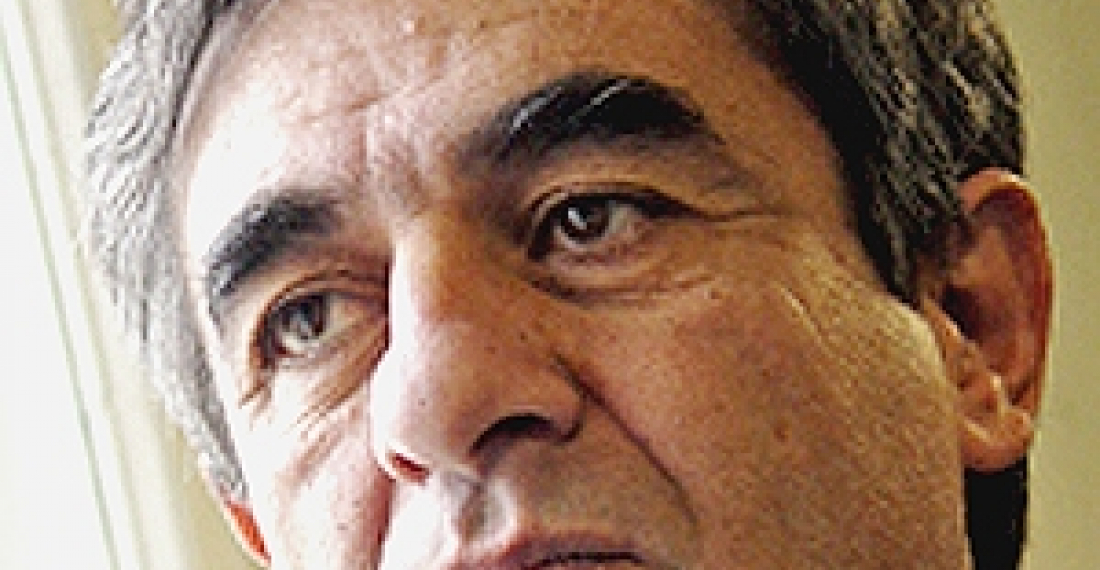
Последние события в России ставят перед Арменией совершенно новые задачи. Подобное мнение выразил АрмИнфо директор Армянского Центра национальных и стратегических исследований Манвел Саркисян.

4 декабря в России прошли парламентские выборы, на которых правящая партия "Единая Россия" одержала победу, что вызвало многотысячные митинги, и протесты недовольства исходом выборов продолжаются по сей день. "Сегодня армянское руководство официально поспешило поздравить партию Путина, однако никто не знает, что будет происходить в России завтра, и это свидетельствует о невозможности ставить перед страной долгосрочные цели во внешней политике", - заметил он.

Продолжая тему внешней политики, Саркисян обратил внимание на ключевое воздействие на нее и стремительных процессах на Ближнем Востоке и Северной Африке, изменивших международную ситуацию и, соответственно, позицию ведущих держав мира. Эти изменения непосредственно ощущаются и в Армении, хотя невооруженным глазом их увидеть довольно трудно. "Для нас очень важно отношение России, США, Европы, но когда меняется глобальная политическая ситуация, меняется и отношение этих держав к Армении, а кого-то мы вообще можем перестать интересовать или наоборот", - заметил аналитик. Поэтому, считает аналитик, говорить о прогнозах в условиях существующей нестабильности довольно трудно. Так, в Армении с одной стороны заявлена политика сближения с Европой, с другой - все больше говорится, что все это сближение - не более, чем пустые разговоры. По-прежнему, непонятно содержание Программы НАТО по индивидуальному партнерству, программы ЕС "Восточное партнерство" и т. д. "О реалиях же никто не говорит, потому что существующие реалии все в меньшей степени понимают в самой дезинтегрирующейся Европе, а не то что в Армении", - считает директор АЦСНИ.

Совершенно очевидно, считает аналитик, что полвека относительной политической стабильности проецировались на все страны мира, и довольно стабильные политические институты власти, к примеру, в арабских странах, превратились в рудименты, которые сейчас уже начали рушиться. Это произошло, потому что они держались на соответствующих связях, соглашениях, договоренностях, которые уже исчезли, после чего все эти режимы оказались бессильными перед лицом стремительно изменяющейся ситуации", - заметил он. По его мнению, одно то, что безоружные люди в арабских странах выходят на улицы и тысячами погибают, говорит о том, что они уже не хотят так жить, как жили раньше. Внешнее же вмешательство основывается на законе международных отношений. "Когда где-то что-то происходит, каждая страна всегда говорит о своих позициях и это нормально. И, к примеру, в случае Сирии, одна страна - Россия, стремится не потерять имеющееся, другая - Турция что-то приобрести. Без этого просто не может быть", - считает Саркисян. В условиях подобной аморфности отношений между странами сегодня происходит необратимая атомизация, где одна страна может начать войну, которой на другой день будет управлять совершенно другая страна. Именно эта аморфность является основным фактором сдерживания ситуации, стимулирующим громогласные заявления первых лиц государств, которые они, по сути, делают из бессилия что-то сделать в реальности. Таковы новые веяния в глобальной политике", - заметил он. 
 

Related articles

Editor's choice
News
Women emerge favourite to lead United Nations from next year, after straw-poll of UN Security Council members

Women emerge favourite to lead United Nations from next year, after straw-poll of UN Security Council members

​ Two women have emerged as favourite to lead the United Nations as Secretary-General from 1 January 2027, when the term of the present incumbent, Antonio Gutteres, expires. A straw poll of the members of the UN Security Council, held on Thursday, 30 July showed that of the seven candidates, Rebecca Grynspan of Costa Rica and Carolyn Rodriguez-Birkett of Guyana received ten and nine positive endorsements respectively, by the 15 members UN Security Council Although the poll and its result are supposed to be secret, the result leaked within minutes, and was carried on world media outlets, such as Reuters. The result was as follows   Michelle Bachelet 6 encourage 5  discourage   4 no opinion María Fernanda Espinosa 5 2 8 Rafael Grossi 7 2 6 Rebeca Grynspan 10 1 4 Olara Otunnu 2 5 8 Carolyn Rodrigues-Birkett 9 2 4 Macky Sall 6 7 2   Article 97 of the UN Charter states that the “Secretary-General shall be appointed by the General Assembly upon the recommendation of the Security Council”. Straw polls are informal ballots used to determine the viability of Secretary-General candidates.  The seven current candidates are: Michelle Bachelet Jeria (Chile), who was nominated by Brazil, Chile, and Mexico on 2 February, with Chile withdrawing its nomination on 24 March; María Fernanda Espinosa Garcés (Ecuador), who was nominated by Antigua and Barbuda on 11 May; Rafael Mariano Grossi (Argentina), who was nominated by Argentina on 26 November 2025; Rebeca Grynspan Mayufis (Costa Rica), who was nominated by Costa Rica on 3 March; Olara Otunnu (Uganda), who was nominated by Uganda on 24 July; Carolyn Rodrigues Birkett (Guyana), who was nominated by Guyana on 15 June; and Macky Sall (Senegal), who was nominated by Burundi on 2 March. At Thursday's straw poll, there was no difference between the ballots presented to the five permanent members (P5) and the ten elected members (E10). Council members received one ballot per candidate, containing the candidate’s name followed by three options: “encouraged”, “discouraged”, and “no opinion expressed”.   It is ofcourse early days, and the straw poll is just an informal indication of the mood of the UN Security Council, but the strong showwing by the two womencandidates may be an indication that for the first time, the head of the UN can be a women. (click image to read more) ​

Popular

Editor's choice
Interview
Thursday Interview: Murad Muradov

Thursday Interview: Murad Muradov

Today, commonspace.eu starts a new regular weekly series. THURSDAY INTERVIEW, conducted by Lauri Nikulainen, will host  persons who are thinkers, opinion shapers, and implementors in their countries and spheres. We start the series with an interview with Murad Muradov, a leading person in Azerbaijan's think tank community. He is also the first co-chair of the Action Committee for a new Armenian-Azerbaijani Dialogue. Last September he made history by being the first Azerbaijani civil society activist to visit Armenia after the 44 day war, and the start of the peace process. Speaking about this visit Murad Muradov said: "My experience was largely positive. My negative expectations luckily didn’t play out. The discussions were respectful, the panel format bringing together experts from Armenia, Azerbaijan, and Turkey was particularly valuable during the NATO Rose-Roth Seminar in Yerevan, and media coverage, while varied in tone, remained largely constructive. Some media outlets though attempted to represent me as more of a government mouthpiece than an independent expert, which was totally misleading.  Overall, I see these initiatives as important steps in rebuilding trust and normalising professional engagement. The fact that soon a larger Azerbaijani civil society visits to Armenia followed, reinforces the sense that this process is moving in the right direction." (click the image to read the interview in full)