Закрытие офиса ОБСЕ в Армении - очень негативное событие

В этом комментарии Деннис Саммут утверждает о том, что эти события должны послужить поводом для срочных действий по многим вопросам - реформа ОБСЕ, целостное участие в проблемах Кавказа, урегулирование карабахского конфликта и признание смертоносного наследия заминированных территорий.

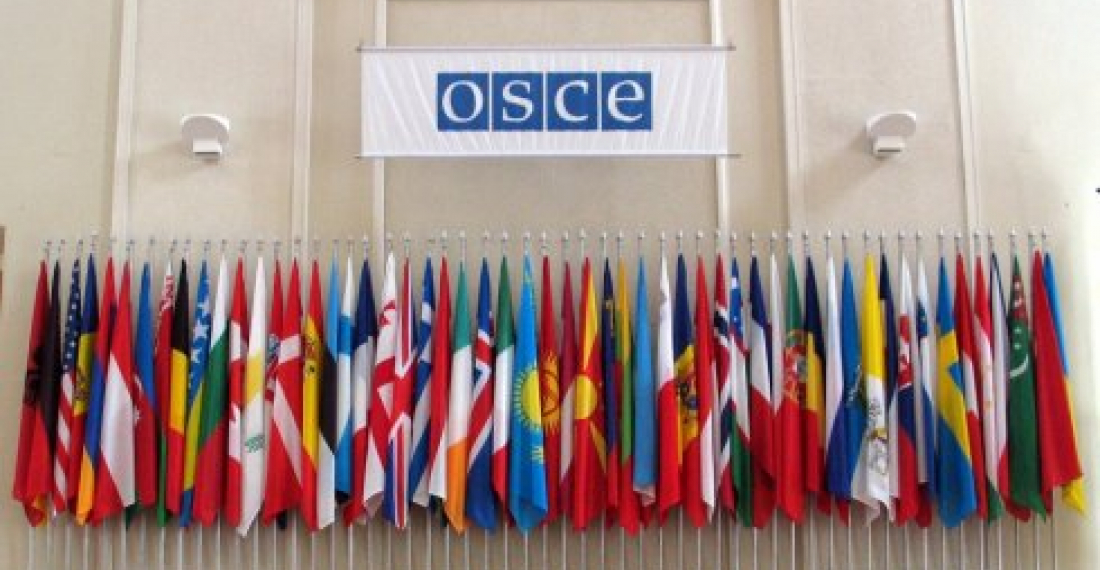
В четверг, 4 мая, австрийское Председательство Организации по безопасности и сотрудничеству в Европе (ОБСЕ) проинформировало руководящий орган организации - Постоянный совет - о том, что из-за отсутствия консенсуса по мандату ОБСЕ организация теперь вынужденна закрыть свой офис в столице Армении, в Ереване.

Такое решение стало огромным разочарованием для австрийского председательства в ОБСЕ, которое в последние месяцы пыталось найти выход из сложившейся ситуации. Министр иностранных дел Австрии Себастьян Курц принимал непосредственное участие в переговорах и в последние недели даже направил в регион бывшего президента Австрии Хайнца Фишера в роли своего личного посланника в попытке найти выход из сложившегося тупика.

Деятельность ОБСЕ основана на консенсусе, и все решения требуют одобрения всех 57 государств-членов организации. На практике право на вето используется в качестве крайней меры и, как правило, для того, чтобы продлить обсуждения. Очень часто в результате этого находится решение, даже если оно немного "подогнанное". Но в этом случае такого не произошло.

Проблема и азербайджанская логика

Азербайджан обосновал свое решение тем фактом, что ереванский офис начал поддерживать проекты разминирования в районах, затронутых карабахским конфликтом. Это, утверждает правительство Азербайджана, находится в прямом противоречии с пониманием в рамках ОБСЕ того, что все, что связано с конфликтом, не входит в компетенцию офисов ОБСЕ в регионе и должно решаться исключительно по каналам Минской группы.

Азербайджанская сторона говорит, что она пыталась найти решение, но непримиримость армянской стороны не оставило ей другого выбора, кроме как наложить вето на весь мандат офиса, что привело к его закрытию. "Мы сожалеем, что Управление было закрыто, но это было результатом преднамеренной попытки Армении использовать все возможные средства для сохранения статус-кво и консолидации оккупации азербайджанских территорий", - сообщил Постоянный представитель Азербайджана при ОБСЕ, Галиб Исрафилов, агентству Trend News.

Со своей стороны, армянская сторона очень рассержена. Пресс-секретарь МИД Армении, Тигран Балаян, немедленно обвинил Азербайджан в том, что он "лишает ОБСЕ присутствия полноценной миссии на Южном Кавказе, что не может не сказаться не только на деятельности ОБСЕ в регионе, но и на организации в целом".

Последствия

Это решение будет иметь последствия как в краткосрочной, так и в среднесрочной перспективе. В краткосрочной перспективе оно делает ОБСЕ еще более неактуальной на территории, находящейся под ее юрисдикцией, где она больше всего нужна - на Кавказе. Это все напрямую играет на руку России, чья долгосрочная цель состоит в том, чтобы исключить все международное присутствие в регионе, чтобы она смогла восстановить свою собственную первостепенную роль. Не так давно у ОБСЕ были открыты свои представительства в Чечне и в Грузии, а также представительства в Баку и в Ереване. Сейчас же их нет. Некоторое время назад Россия заставила закрыть миссию в Чечне, и после грузино-российской войны в 2008 году наложила вето на мандат миссии в Грузии. Азербайджан вынудил закрыть офис в Баку в 2015 году, заявив, что он больше не нужен. Последнее же присутствие, офис в Ереване, в итоге тоже закрыт.

ОБСЕ - это хрупкая организация, которая еще не завершила переход от специальной конференции - СБСЕ, которая дала Европе и миру такие важные ориентиры, как Хельсинкский заключительный акт, и внесла огромный вклад в европейский мир и безопасность, - к эффективной организации мира и безопасности для Европы и Северного полушария. С начала переходного периода 1994 года ОБСЕ проделала очень полезную работу. Ее роль в обеспечении стабильности в Восточной Украине была подчеркнута несколько дней назад, когда один из членов ее миссии погиб там при исполнении служебных обязанностей. Однако, структура организации и право на вето ее членов часто приводит к тому, что ее используют для неуклюжих упражнений ее силой и властью. Решение о закрытии Ереванского офиса еще больше укрепит такое восприятие.

Вызов брошен

Закрытие последнего офиса ОБСЕ на Кавказе бросает вызов международному сообществу. Регион остается одним из самых сложных в Европе и рискованных с точки зрения безопасности. Сейчас необходимо провести дискуссию о том, как международное сообщество взаимодействует с регионом, несмотря на махинации, осуществляемые различными политическими субъектами в регионе, когда им это надо. В конце концов Россия, Турция, а также три кавказские государства хотят быть представлены на любом форуме, где обсуждается регион. Иран знает, как это расстраивает, когда тебя исключают. Поэтому нынешний тупик должен быть использован для инициирования более активного обсуждения. Кому-то нужно проявить политическую инициативу, чтобы начать этот процесс. В своем вчерашнем заявлении на заседании Постоянного совета австрийское председательство подчеркнуло важность этого: "Чтобы обеспечить дальнейшую поддержку и сотрудничество во всех аспектах безопасности на Южном Кавказе, мы убеждены в том, что следует изучить в деталях варианты альтернативного участия ОБСЕ".

Еще более насущной является необходимость урегулирования карабахского конфликта, пока еще не стало слишком поздно. Еще раз о дестабилизирующем характере конфликта, который находится за пределами самой зоны конфликта, свидетельствует этот последний дипломатический инцидент.

Разминирование - это гуманитарная проблема, которая должна быть решена за пределами текущих споров

Решая эти более широкие дипломатические вызовы, международное сообщество должно постоянно следить за гуманитарным аспектом этих проблем. Заминированные районы, территории - это наследие, которое текущее поколение кавказцев оставит своим следующим поколениям. Пусть ни у кого не вызывает сомнений серьезность этой проблемы. Даже если завтра между Арменией и Азербайджаном будет восстановлен идеальный мир - маловероятная перспектива - последствия неразорвавшихся мин будут преследовать обе страны десятилетия вперед. Поэтому все обязаны незамедлительно приступить к решению этой проблемы. Разминирование - важная и срочная мера укрепления доверия, и для этого необходимо создать новую структуру, чтобы она не попала в мелкие дрязги, которые на данный момент доминируют во всех аспектах отношений между двумя сторонами, где сага с ереванским офисом ОБСЕ является еще одним примером.

Это негативное развитие должно быть сигналом к пробуждению

Решение о принудительном закрытии ереванского офиса ОБСЕ после того, как Азербайджан наложил вето на мандат, является крайне негативным событием. Это дополнительное давление на и без того сложную ситуацию для ведущего европейского континентального органа безопасности. Это еще больше уменьшает возможность международного сообщества участвовать и вносить вклад в решение проблем кавказского региона. Это должно послужить толчком к принятию срочных мер по многим вопросам - реформа ОБСЕ, правильное и целостное участие в решении вопросов Кавказского региона, урегулирование карабахского конфликта и признание смертоносного наследия заминированных территорий. Пришло время действовать.

Деннис Саммут исполнительный директор LINKS (Диалог, Анализ и Исследования). С ним можно связаться по адресу: dennis@links-dar.org Этот комментарий был подготовлен им специально для commonspace.eu.


ПОХОЖИЕ СТАТЬИ:

Армения и Азербайджан удерживают ОБСЕ в заложниках (31 января 2017 года)

Решение Баку закрыть офис ОБСЕ подвергли резкой критике в Вене (9 июня 2015 года)

Latest

Editor's choice
Monday Commentary
Monday Commentary: PEACE IN OUR TIME?

Monday Commentary: PEACE IN OUR TIME?

Making peace between Armenia and Azerbaijan was never going to be simple, nor easy, nor quick. It is taking time, writes Dennis Sammut in this Monday Commentary. “There is a sense of realism coming from the leaders of the two countries – President Ilham Aliyev of Azerbaijan and prime minister Nikol Pashinyan of Armenia, that frankly, is necessary and welcome”, he writes. At a time when conflicts are raging all over the world – from Ukraine to the Gulf, from Africa to South Asia, the prospect that Armenia and Azerbaijan had finally, after decades of conflict that left thousands of dead and many more displaced, decided on embarking on a journey of peace was welcomed. Peace between Armenia and Azerbaijan can be top-down up to a point. Both leaders have spent political capital preparing for a peace deal. But both are aware that their people are not ready for peace yet. In fact, in Armenia, most of the elite are negative toward a peace deal with Azerbaijan. Pashinyan needs time to persuade his countryfolk. That is why 2031 is realistic. Ilham Aliyev runs a tighter shop, but he is also not immune to public opinion. Every time someone hits a landmine in Karabakh, which unfortunately happens often, peace comes into question. Which is why Aliyev chooses to sound hardline, more often than not. In pursuing the peace agenda, both Aliyev and Pashinyan need to proceed cautiously. But they are right in making peace the central issue in their agenda. It is the main issue, and the one that will define them in history. So forward, cautiously but resolutely! In pursuing the peace agenda, Aliyev and Pashinyan need to be supported clearly and unambiguously. There are too many people in Baku and Yerevan who are sitting on the sides, waiting. The international community is not doing enough. It is time to be counted. Otherwise, the spoilers will win, and the region will go back to its bad habits. (Click the image to read the full commentary).
Editor's choice
News
Ukraine Peace Talks Set to Expand as Russia and Europe Clash Over Post-war Security

Ukraine Peace Talks Set to Expand as Russia and Europe Clash Over Post-war Security

Ukraine and Russia could see European countries join the next round of peace negotiations, following talks between US special envoys Steve Witkoff and Jared Kushner and Russian President Vladimir Putin in Moscow on Thursday (November 12). However, conflicting positions over European military involvement, Ukraine’s territorial future and the continent’s security arrangements highlight the difficulties facing the diplomatic process. Speaking after the meeting, Witkoff said European participation would be an important development, describing the countries concerned as key partners. Kushner also indicated that Washington had noticed a shift in European attitudes and believed their involvement would not obstruct progress. In a statement published on X, he said the expanded discussions would address broader European security arrangements alongside territorial disputes between Russia and Ukraine. The US envoys subsequently travelled to Dublin, where they met Ukrainian President Volodymyr Zelenskyy during a European summit. Zelenskyy welcomed the possibility of European participation and expressed hope that the negotiations would include measures to reduce tensions and establish ceasefires. He also reiterated the importance of European representation in decisions concerning the continent’s security. Moscow, however, has offered a more cautious interpretation of the proposed expansion. Putin's aide, Yuri Ushakov, suggested that European countries should first reconsider their military assistance to Kyiv, arguing that their current actions demonstrated an unwillingness to pursue peace. Putin similarly called on Washington to work with its European allies to establish whether they genuinely wanted peace or continued confrontation with Russia. The Russian president also rejected the prospect of European peacekeeping troops being deployed to Ukraine following a potential agreement, describing such a presence as a continuation of the war. His position reflects wider disagreements over the future European security architecture, with Moscow seeking discussions on the continent's broader security arrangements, while European leaders insist that such negotiations cannot replace a settlement of the war. Simultaneously, Zelenskyy raised concerns about disruptions to Starshield, the US-made satellite communications service used by Ukrainian forces. He described Washington’s discussions with Moscow about Europe's future security as unusual and warned against decisions that could undermine Ukraine's sovereignty. Despite the diplomatic activity, fighting continued. Russian drone attacks killed two people in Ukraine's Sumy region and injured five in Rivne, while a separate attack in Russia's Belgorod region killed one person and injured four. Ukrainian agricultural company Kernel Holding also suspended operations at all its oilseed extraction facilities following repeated Russian attacks.

Popular

Editor's choice
Monday Commentary
Monday Commentary: European-Azerbaijan relations need an intensive and multifaceted dialogue that is frank and honest

Monday Commentary: European-Azerbaijan relations need an intensive and multifaceted dialogue that is frank and honest

Last week I visited Baku, Azerbaijan. My visit was relatively short, but very intensive, and had many meetings with stakeholders and colleagues. When I arrived in Baku first time in 1996,  Azerbaijan was a different country: weak, poor, and shaken by defeat in war. For thirty year the Karabakh issue dominated the agenda: the political agenda but also the popular mindset. Now, thirty years later, Azerbaijan has returned to Karabakh, and peace with Armenia is on the horizon. It is a new era for Armenia-Azerbaijan relations, for the South Caucasus, but also for Europe.  But we cannot be complacent: the Peace agreement has been initialed but not signed; borders remain closed; TRIPP is ambitious but remains an idea; and there are spoilers who want to turn the clock back. We must not allow them, and in this Europe and Azerbaijan must work together. Europe’ vanguard organization is the European Union – it is a free union of 27 member states; it is a strong global economic force, and increasingly a diplomatic and military force too. But it remains “work in progress” and can often appear dysfunctional. It often lacks collective and institutional memory. In its dealings with Azerbaijan the EU has made many mistakes – not least opening the delegation here late – in 2008. It sometimes appears condescending. Some utterances from the European Parliament and from some quarters in some member states are not understandable even for me. They irritate the Azerbaijanis, but serve no other purpose But Azerbaijan has also not handled relations with the EU well. It has failed to respond when the hand of friendship reached out; and it confused irritating actions, sometimes by well-meaning people; sometimes by outright spoilers, with strategic action. In short, EU-Azerbaijan relations have suffered from a lack of proper dialogue. This dialogue must be frank, honest and multi-faceted involving different segments of society on both sides.   Is Azerbaijan Europe? When Azerbaijan applied to join the Council of Europe in the 1990s, there were some who opposed, saying this was not Europe. I was one of the people who argued that Armenia and Azerbaijan may be on the periphery of the continent geographically, but were European in essence. Certainly their elites. During the discussion on 4 September in Baku, my friend Farhad Mammedov, mentioned that Azerbaijan is not interested in joining the EU, and was now close to the Central Asian countries in the 5 plus 1 format. Neither things mean that Azerbaijan is not Europe. There are several European countries that are not in the EU, and do not want to be, for example Norway and Switzerland. Iceland has recently voted to stay out of the EU. The UK was a member and left. Europe is bigger than the EU, and the holding of the European Political Community summit in Baku in 2027 proves that. Despite all the rhetoric, I never heard the president of Azerbaijan  saying that Azerbaijan is not Europe, nor have I heard any European president say it either. Not wanting to join the EU and forging close relations with neighbouring regions does not make Azerbaijan any less European. It is only logical that when Europeans talk to Azerbaijan they talk like family. The conversation is often frank. It must also be honest, and Europeans need always to remember this too. A frank, honest and multi-faceted dialogue A frank, honest and multifaceted dialogue will contribute to relations between Azerbaijan and the rest of Europe: it will avoid misperception, which unfortunately is very common on both sides; it will provide a forum where problems can be discussed and resolved, and it will increase mutual trust, so that together common problems can be addressed. (click image to read the full Monday Commentary)
Editor's choice
Monday Commentary
Monday Commentary: “The barren rocks of Aden” and “These lands of Yemen are so ruthless”

Monday Commentary: “The barren rocks of Aden” and “These lands of Yemen are so ruthless”

There are two early 20th-century tunes that mark foreign attempts to occupy and “pacify” Yemen. The Scottish tune “The barren rocks of Aden” marks the mobilisation of Highland soldiers, enlisted to be deployed to the Yemeni port of Aden, that in 1837 became the last colony to be incorporated into the British Empire. The tune talks of the harshness of the terrain, but is celebratory, It was even played as a farewell tune to Sir William Luce at the parade in Sharjah celebrating his end as “British Viceroy” in the Middle East in 1966. The second tune is an Anatolian lament. As Ilker Sezer reminded us this weekend, in his weekly feature on “Turkiye Today”, it “mourns the tragic fate of Ottoman soldiers dispatched to the harsh, remote deserts of Yemen during the fall of the empire, young men who marched away from their villages and never returned home. Most of their names, and numbers, were never recorded. Yet, their fate left a mark on the Turkish psyche.” Subsequent invaders have discovered that Yemen is a grave that cannot be overcome by the strength of modern technology, and that whilst Yemeni society is splintered and divided, building a reliable alliance with Yemeni factions is difficult. These are the harsh lessons facing Saudi Arabia, as the Kingdom faces its biggest challenge in its modern history. The leadership of the Kingdom now has to respond decisively. At stake is their very credibility. This is likely to be a long and messy conflict. Saudi military objectives need to be focused: to box in the Houthis rather than destroy them. This is likely to include: (a) regaining territory lost on the Red Sea coast; (b) control over Bab el Mandeb Strait; (c) some kind of cordon sanitaire on the Saudi-Yemeni border; and if things go well (d) the capture of Sanaa. All this would not eliminate the Houthi problem, but it will contain it. In the end the Saudis will have to continue managing Yemen with a mixture of carrot and stick. For the moment, the stick is likely, but the carrot cannot be forgotten either. (click the image to read the Monday Commentary in full)