


Время дать ЕС небольшого “weltpolitikfähig”

Можно многое сказать, призывая ЕС проводить более жесткую внешнюю политику, но мягкая сила должна оставаться предпочтительным инструментом Союза, утверждает Деннис Саммут в данном обзоре.

Большая международная бюрократия имеет тенденцию придумывать свой собственный лексикон слов, предположительно понимаемые инсайдерами, но очень часто довольно непонятными для всех остальных. Европейский Союз имеет свою подобную лексику, в основном на французском или английском языках, и все чаще в дни "Brexit", на немецком языке. В качестве примера можно привести такие термины, как «acquis communitaire» - совокупность законов, которые страны должны принять, когда они идут по пути к членству в ЕС, или "conditionality" (условий оказания помощи) - строки, которые ЕС добавляет при оказании финансовой помощи третьим странам.

Несколько дней назад президент Европейской комиссии Жан-Клод Юнкер придумал новый термин на немецком языке "weltpolitikfähig". Веб-сайт Европейской комиссии объясняет, что этот термин означает "желаемый уровень способности ЕС играть свою роль на сцене международной политики". Проще говоря, используя это вместо довольно вульгарного американского выражения, ЕС хочет дать пинка своей внешней политике. "Мягкая сила недостаточно сильна. Нам нужно больше сил в вопросах безопасности, охраны и обороны", - заявил Юнкер, собравшимся на Мюнхенской конференции по безопасности 17 февраля.

В частности, в вопросах обороны, президент Юнкер отметил значительный прогресс, достигнутый за последний год, "значительно больший прогресс, чем за 20 лет до этого". На веб-сайте Европейской комиссии сообщается, что Юнкер задается вопросом, почему некоторые ставят под вопрос желание Европейского Союза стать более независимым, когда дело касается политики безопасности и обороны. "Мы хотели бы освободить себя", - сказал он. Однако он пояснил, что "нет никакого намерения освобождать ЕС от НАТО или США. Европейский договор четко гласит, что НАТО и Европейский Союз должны дополнять друг друга".

Поэтому, готовьтесь все чаще слышать "weltpolitikfähig", и вам лучше привыкнуть произносить это выражение.

Многое говорит в пользу предоставления ЕС более жестких инструментов для проведения внешней политики. Даже скептики часто разочаровываются, когда ЕС отводится роль наблюдателя, когда вокруг него разворачиваются события. Назначение Верховного представителя по внешней политике и политике безопасности и создание Европейской службы внешних действий каким-то образом способствовали решению этой проблемы, но, безусловно, необходимо больше.

Однако есть некоторые оговорки. В своем выступлении Юнкер предположил, что ЕС исчерпал все свои возможности мягкой силы, поэтому он теперь смотрит на более мощные инструменты. Это далеко не реальность. В Европейском Союзе по-прежнему существует огромный потенциал мягкой силы, который либо не оцинкован, либо не используется должным образом. Большая часть проблемы - одержимость брюссельской бюрократии процессом и неспособность сосредоточиться на достижениях. Юнкер в своей мюнхенской речи намекнул на проблемы с процессом принятия решений в ЕС, но это только часть истории - другая часть непосредственно связана с его сферой, непосредственно под его ответственностью, а именно необходимостью обеспечения того, чтобы бюрократическая машина была более эффективна и достаточно подвижной, и меньше фокусировалась на проставлении галочек и больше на реальном воздействии.

Второе предостережение связано с уровнем амбиций конечной цели и ее стоимостью. Объединенная европейская армия - это отдаленная и дорогостоящая цель, которая вряд ли будет достигнуто в мирное время, или если Европа не столкнется с экзистенциальной угрозой. В нынешних условиях необходим военный потенциал для проведения миссий, аналогичный тем, которые ЕС уже проводит в Африке и в других регионах, - но в более широком масштабе, с более быстрым развертыванием и с более резким укусом в конце, если необходимо. В краткосрочной и среднесрочной перспективе это достижимо.

Несмотря на это, для Европейского Союза мягкая сила, основанная на ценностях, должна оставаться предпочтительным инструментом при проведении внешней политики. Этот подход возник из собственного разрушительного опыта войны в Европе, особенно в XX веке. Таким образом, хоть и нет никаких сомнений в том, что европейской дипломатии необходимо больше зубов, но это должно быть только средством последней инстанции. По мере того, как Европа начинает развивать свои оборонительные возможности, ей также необходимо подумать над тем, как сделать инструменты мягкой силы более эффективными и сосредоточенными больше на результате.

источник: Деннис Саммут, исполнительный директор LINKS (Диалог, Анализ и Исследования)

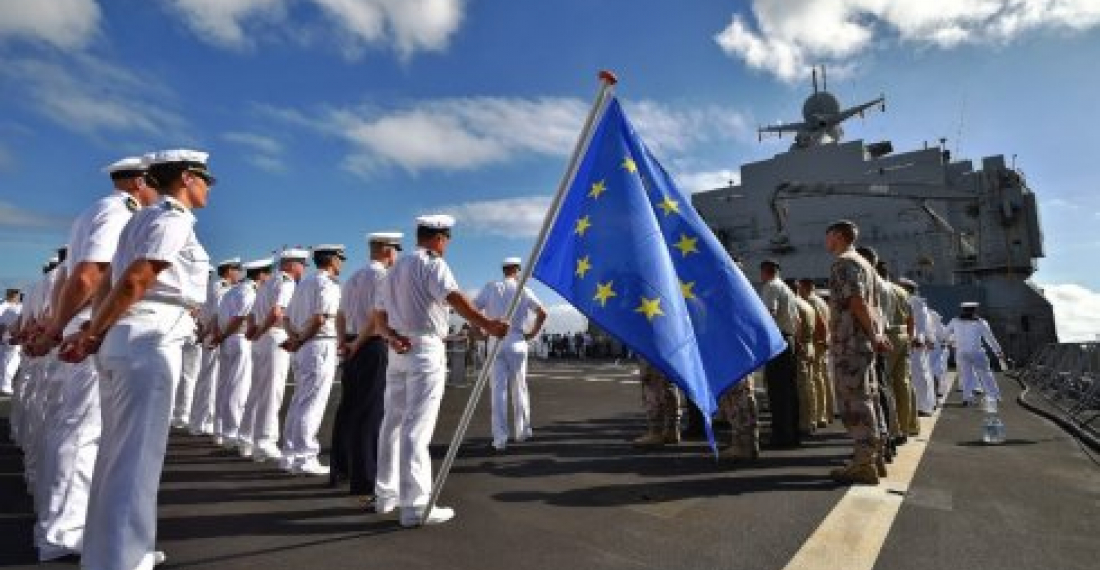
фото: Голландский военно-морской корабль Йохан де Витт, используемый Европейскими военно-морскими силами (EUNAVFOR) в рамках операции по борьбе с пиратством "Аталанта", на французской военной базе в Джибути.


 

Related articles

Editor's choice
News
Germany accuses Russia of cyberattacks and disinformation campaign

Germany accuses Russia of cyberattacks and disinformation campaign

The German government holds Russia responsible for a cyberattack on German air traffic control, and for targeted disinformation campaigns before the last federal election. According to the German Foreign Office in Berlin, the incidents could be clearly attributed to the Russian military intelligence service, the GRU. In response, the Russian ambassador to Berlin was summoned to the Foreign Ministry. "We have been observing a massive increase in threatening hybrid activities by Russia for some time now," a spokesperson for the Foreign Ministry stated. These range from disinformation campaigns and espionage to cyberattacks and sabotage attempts. The aim is to divide society, sow distrust, and undermine confidence in democratic institutions. The spokesperson added that with these actions, Russia is "very concretely threatening our security, not only through its war of aggression against Ukraine, but also here in Germany."  The Foreign Ministry spokesperson explained that the cyberattack on air traffic control in August 2024 was clearly attributed to the hacker collective "APT28," known as "Fancy Bear," and to the responsibility of the Russian military intelligence service, the GRU. Furthermore, it could now be "conclusively stated" that Russia had attempted "to influence and destabilize both the last Federal election and the ongoing internal affairs of the Federal Republic of Germany." There was "absolutely irrefutable evidence" for this". The so-called "Storm 1516" campaign, which has been running since 2024, is allegedly backed by "reliable information" that the Moscow-based think tank "Center for Geopolitical Expertise" is behind it. The Center is also said to be supported by Russian military intelligence. Its primary aim is to influence democratic elections in the West. (Click the image to read more).
Editor's choice
News
NATO Chief says war is on Europe's doorstep, and warns against complacency

NATO Chief says war is on Europe's doorstep, and warns against complacency

Russia could attack a NATO country within the next five years, the Secretary General of NATO, Mark Rutte, said in a stark new warning. "NATO's own defences can hold for now," Rutte warned in Berlin, but conflict was "next door" to Europe, and he feared "too many are quietly complacent, and too many don't feel the urgency, too many believe that time is on our side. "Russia is already escalating its covert campaign against our societies," Rutte said in a speech in Germany. "We must be prepared for the scale of war our grandparents or great-grandparents endured." Earlier this month, Russia's President Vladimir Putin said his country was not planning to go to war with Europe, but it was ready "right now" if Europe wanted to - or started a war. But similar reassurances were given by Moscow in 2022, just before 200,000 Russian troops crossed the border and invaded Ukraine. Putin has accused European countries of hindering US efforts to bring peace in Ukraine - a reference to the role Ukraine's European allies have recently played in trying to change a US peace plan to end the war, whose initial draft was seen as favouring Russia. But Putin was not sincere, Nato's secretary-general said in the German capital, Berlin. Supporting Ukraine, he added, was a guarantee for European security. "Just imagine if Putin got his way; Ukraine under the boot of Russian occupation, his forces pressing against a longer border with Nato, and the significantly increased risk of an armed attack against us." Russia's economy has been on a war footing for more than three years now - its factories churn out ever more supplies of drones, missiles and artillery shells. According to a recent report by the Kiel Institute for the World Economy, Russia has been producing each month around 150 tanks, 550 infantry fighting vehicles, 120 Lancet drones and more than 50 artillery pieces. The UK, and most of its Western allies, are simply not anywhere near this point. Analysts say it would take years for Western Europe's factories to come close to matching Russia's mass-production of weapons. "Allied defence spending and production must rise rapidly, our armed forces must have what they need to keep us safe," the Nato chief said.

Popular

Editor's choice
News
Germany accuses Russia of cyberattacks and disinformation campaign

Germany accuses Russia of cyberattacks and disinformation campaign

The German government holds Russia responsible for a cyberattack on German air traffic control, and for targeted disinformation campaigns before the last federal election. According to the German Foreign Office in Berlin, the incidents could be clearly attributed to the Russian military intelligence service, the GRU. In response, the Russian ambassador to Berlin was summoned to the Foreign Ministry. "We have been observing a massive increase in threatening hybrid activities by Russia for some time now," a spokesperson for the Foreign Ministry stated. These range from disinformation campaigns and espionage to cyberattacks and sabotage attempts. The aim is to divide society, sow distrust, and undermine confidence in democratic institutions. The spokesperson added that with these actions, Russia is "very concretely threatening our security, not only through its war of aggression against Ukraine, but also here in Germany."  The Foreign Ministry spokesperson explained that the cyberattack on air traffic control in August 2024 was clearly attributed to the hacker collective "APT28," known as "Fancy Bear," and to the responsibility of the Russian military intelligence service, the GRU. Furthermore, it could now be "conclusively stated" that Russia had attempted "to influence and destabilize both the last Federal election and the ongoing internal affairs of the Federal Republic of Germany." There was "absolutely irrefutable evidence" for this". The so-called "Storm 1516" campaign, which has been running since 2024, is allegedly backed by "reliable information" that the Moscow-based think tank "Center for Geopolitical Expertise" is behind it. The Center is also said to be supported by Russian military intelligence. Its primary aim is to influence democratic elections in the West. (Click the image to read more).

