


Убит еще один армянский солдат.

В субботу, в результате открытия огня с азербайджанской стороны был убит армянский солдат Арман Арутюнян, сообщил News.am пресс-секретарь Министерства обороны Армении, Арцрун Ованнисян. Инцидент произошел в приграничном районе, недалеко от деревни Воскеван. Погибший солдат был из той же деревни. Азербайджанская сторона отрицает данный инцидент.

Ниже приведен комментарий политического редактора commonspace.eu:

С начала нового года практически не было и дня без инцидента на линии соприкосновения, разделяющей армянские и азербайджанские силы в зоне нагорно-карабахского конфликта, и на международной границе между Арменией и Азербайджаном. Армения сообщила о понесенных потерях и о том, что с азербайджанской стороны тоже есть потери. Азербайджан был более осторожен в сообщениях об инцидентах, часто утверждая, что никаких инцидентов не было вообще. Несколько дней назад был прерван мониторинг на линии соприкосновения наблюдателей ОБСЕ в результате их обстрела. В этом инциденте стороны обвиняли друг друга.

Возросшая неопределенность в отношении того, что на самом деле происходит на линии соприкосновения это новая кривизна в этой битве между Арменией и Азербайджаном - сражение, которое в настоящее время происходит на всех уровнях - политическом, дипломатическом, экономическом, а также военном и, в котором используется множество инструментов - средства массовой информации один из них.

Противоречивые заявления о том, что происходит на передавой подчеркивают необходимость более всеобъемлющего международного мониторинга - горсть международных наблюдателей, которые иногда проводят мониторинг с предварительного согласия со сторонами, этого просто не достаточно.

Мирный процесс, начатый в рамках Минской группы ОБСЕ, во главе с Францией, Россией и США, ради всех намерений и целей зашел в тупик, поддержание хрупкого мира это то, на что международное сообщество надеется, и то, что оно может достичь в лучшем случае на данный момент. Если то, что происходит в последние дни является признаком того, каким будет 2015 год, то эта скромная цель, кажется, будет вне досягаемости.

Пришло время сопредседателям Минского процесса изменить их тон в отношениях с конфликтующими сторонами, в противном случае существует опасность того, что международное сообщество станет фиговым листочком, за которым одна или обе конфликтующие стороны будут скрываться то время как преследуя свою повестку дня, которая не способствует окончательному и всеобъемлющему миру, и теперь даже угрожает и так хрупкому перемирию.

источник: commonspace.eu

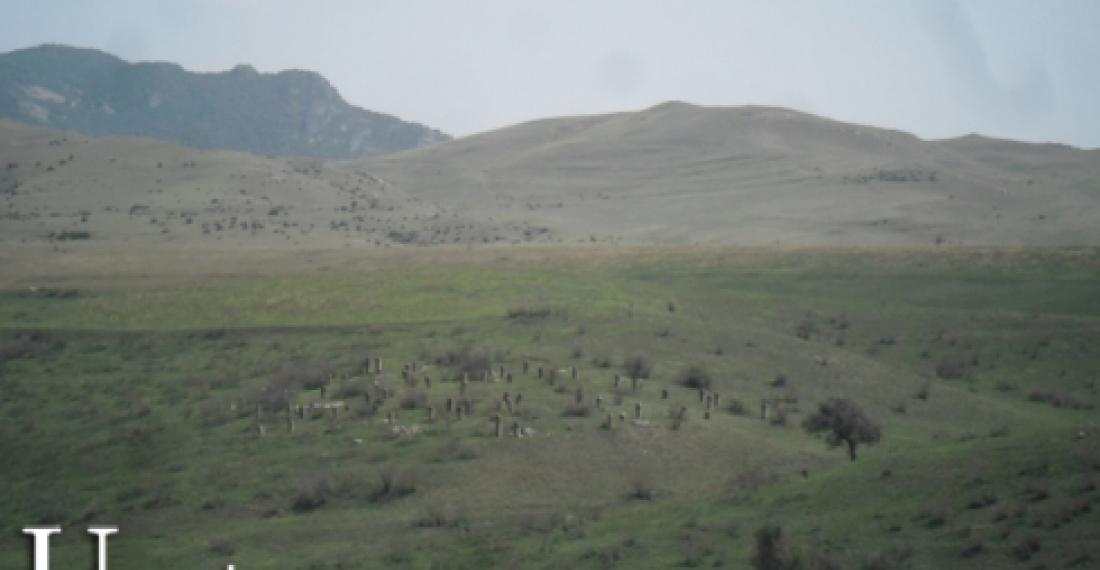
фото: Деревня Воскеван (фото любезно предоставлено aravot.am)

Related articles

Editor's choice
News
Women emerge favourite to lead United Nations from next year, after straw-poll of UN Security Council members

Women emerge favourite to lead United Nations from next year, after straw-poll of UN Security Council members

​ Two women have emerged as favourite to lead the United Nations as Secretary-General from 1 January 2027, when the term of the present incumbent, Antonio Gutteres, expires. A straw poll of the members of the UN Security Council, held on Thursday, 30 July showed that of the seven candidates, Rebecca Grynspan of Costa Rica and Carolyn Rodriguez-Birkett of Guyana received ten and nine positive endorsements respectively, by the 15 members UN Security Council Although the poll and its result are supposed to be secret, the result leaked within minutes, and was carried on world media outlets, such as Reuters. The result was as follows   Michelle Bachelet 6 encourage 5  discourage   4 no opinion María Fernanda Espinosa 5 2 8 Rafael Grossi 7 2 6 Rebeca Grynspan 10 1 4 Olara Otunnu 2 5 8 Carolyn Rodrigues-Birkett 9 2 4 Macky Sall 6 7 2   Article 97 of the UN Charter states that the “Secretary-General shall be appointed by the General Assembly upon the recommendation of the Security Council”. Straw polls are informal ballots used to determine the viability of Secretary-General candidates.  The seven current candidates are: Michelle Bachelet Jeria (Chile), who was nominated by Brazil, Chile, and Mexico on 2 February, with Chile withdrawing its nomination on 24 March; María Fernanda Espinosa Garcés (Ecuador), who was nominated by Antigua and Barbuda on 11 May; Rafael Mariano Grossi (Argentina), who was nominated by Argentina on 26 November 2025; Rebeca Grynspan Mayufis (Costa Rica), who was nominated by Costa Rica on 3 March; Olara Otunnu (Uganda), who was nominated by Uganda on 24 July; Carolyn Rodrigues Birkett (Guyana), who was nominated by Guyana on 15 June; and Macky Sall (Senegal), who was nominated by Burundi on 2 March. At Thursday's straw poll, there was no difference between the ballots presented to the five permanent members (P5) and the ten elected members (E10). Council members received one ballot per candidate, containing the candidate’s name followed by three options: “encouraged”, “discouraged”, and “no opinion expressed”.   It is ofcourse early days, and the straw poll is just an informal indication of the mood of the UN Security Council, but the strong showwing by the two womencandidates may be an indication that for the first time, the head of the UN can be a women. (click image to read more) ​

Popular

Editor's choice
Interview
Thursday Interview: Murad Muradov

Thursday Interview: Murad Muradov

Today, commonspace.eu starts a new regular weekly series. THURSDAY INTERVIEW, conducted by Lauri Nikulainen, will host  persons who are thinkers, opinion shapers, and implementors in their countries and spheres. We start the series with an interview with Murad Muradov, a leading person in Azerbaijan's think tank community. He is also the first co-chair of the Action Committee for a new Armenian-Azerbaijani Dialogue. Last September he made history by being the first Azerbaijani civil society activist to visit Armenia after the 44 day war, and the start of the peace process. Speaking about this visit Murad Muradov said: "My experience was largely positive. My negative expectations luckily didn’t play out. The discussions were respectful, the panel format bringing together experts from Armenia, Azerbaijan, and Turkey was particularly valuable during the NATO Rose-Roth Seminar in Yerevan, and media coverage, while varied in tone, remained largely constructive. Some media outlets though attempted to represent me as more of a government mouthpiece than an independent expert, which was totally misleading.  Overall, I see these initiatives as important steps in rebuilding trust and normalising professional engagement. The fact that soon a larger Azerbaijani civil society visits to Armenia followed, reinforces the sense that this process is moving in the right direction." (click the image to read the interview in full)


