Тегеран приступил к кампании "добрый сосед": д-р Аббас Малеки

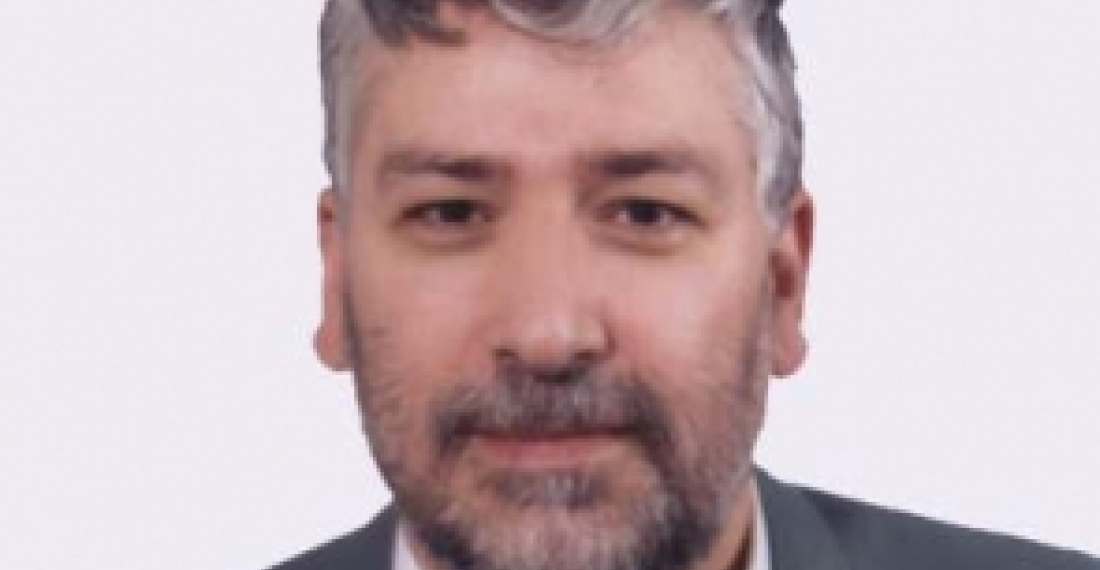
Интервью с доктором Аббас Малеки, директором Института каспийских исследований в Тегеране, бывшим заместителем министра иностранных дел Ирана. Доктор Малеки также является приглашенным сотрудником Гарвардского университета.


Д-р Малеки, какой видит Иран нынешнюю ситуацию в Кавказском регионе?

Развал Советского Союза в 1991 году стал самым значимым событием в иранской внешней политике после 1828 года. В 1828 году Иран заключил с царской Россией Туркменчайский договор, потеряв большую часть Кавказа, в особенности весь Южный Кавказ. Бурные последствия распада Советского Союза содержали для Ирана как новые возможности, так и новые угрозы. Поскольку Иран видит себя азиатским игроком, а не только ближневосточным, для него появилась возможность создать новое пространство для сотрудничества с новыми независимыми государствами на Кавказе и в Центральной Азии.

Угрозой Ирану является перманентно неспокойная обстановка к северу от Ирана,  особенно сильной угрозой является ситуация на северо-западе.

Внешняя политика Ирана на протяжении последних десяти лет доказывает его прагматизм на Кавказе. Он продиктован не религиозной идеологией, а скорее национальными интересами Ирана - как в политической сфере, так и экономической, а также вопросами национальной безопасности. Политика Ирана на Кавказе в качестве унитарного игрока в этой региональной суб-системе международной системы лучше всего рассматривается сквозь парадигму неореализма, которая прекрасно объясняет политику Ирана в регионе: к примеру, открытое отстаивание национальных интересов и защита своего государственного суверенитета.


По вашему мнению, каким может быть вклад Ирана в процесс по уругелированию Карабахского конфликта?

С начала и середины 1990-х Иран был активно вовлечен в урегулирование кризисной ситауции в рамках как межгосударственных, так и внутригосударственных конфликтов вблизи своих границ.

Что касается продолжающегося конфликта между Азербайджаном и Арменией вокруг Нагорного Карабаха, то иранские дипломаты выступали посредниками для достижения ряда краткосрочных перемирий. Иран, несмотря на то, что склоняется в сторону Армении, всегда сдержанно относился к любому поражению Азербайджана; предупреждение со стороны Тегерана и отправка войск к границам между Ираном и Азербайджаном сыграли свою роль в Зангелане, Физули и Джебраиле после того, как армяне заняли Нагорный Карабах. 

Интересы безопасности Ирана в переговорном процессе очевидны; протяженность границы Армении с Ираном более чем удвоилась в результате военной победы на азербайджанской территории, а также в свете спора Ирана с Азербайджаном по поводу раздела Каспийского моря и связанного с этим беспокойства по поводу связки Азербайджан-Турция-Израиль в Каспийском регионе, стремление Ирана к вовзвращению к статус-кво на Кавказе совершенно ясно. Иран также рассматривает Нагорно-карабахский конфликт в качестве площадки для изучения российской политики после Холодной войны. Для Ирана не факт, что Россия стремится разрешить Нагорно-карабахский конфликт. В настоящее время Россия контролирует бывшую советскую границу с НАТО вдоль армяно-турецкой границы.

Тегеран начал программу «хороший сосед», направленную на то, чтобы подчеркнуть свою роль в качестве потенциального катализатора мира и процветания на Кавказе и в Средней Азии. Планы относительно газопровода в Армению, в страну-союзника Ирана, стоимостью 120 миллионов долларов, были главными в этой инициативе, однако помимо проявления доброй воли со стороны Еревана и Тегерена, все еще остаются серьезные препятствия.


Следует ли международному сообществу вести более активные переговоры с Ираном относительно Карабахского конфликта и процесса его урегулирования?

Вслед за переговорами, прошедшими во Флориде под эгидой Минской группы ОБСЕ в апреле 2001 года, французский глава Минской группы посетил Тегеран и пригласил Иран принять участие в переговорах, поскольку «роль Ирана в сохранении  безопасности и стабильности в Кавказском региона очевидна». Кроме того, согласно Кери Кавано, посреднику по переговорам вокруг Карабаха от США в то время, Иран регулярно информировался о мирном процессе «с тем, чтобы дать понять иранцам, что ничто в этом мирном процессе не навредит их интересам и не будет направлено против них».


Готовы ли иранские тинк-танки к большему взаимодействию со своими коллегами на Кавказе, в России и на Западе по вопросам, связанным с процессами в Кавказском регионе?

Да. Есть поле для взаимодействия  между иранской и другими элитами в регионе и за его пределами. Иранские тинк-танки могут взаимодействовать с институтами политических исследований в Азербайджане, Грузии и Армении для обсуждений взаимных интересов Ирана и кавказских стран. И иранские исследовательские центры стремятся обмениваться взглядами с российскими, турецкими, американскими, европейскими и китайскими исследователями для поиска решений региональных кризисов на Кавказе.


© www.commonspace.eu

 

Related articles

Editor's choice
News
Germany accuses Russia of cyberattacks and disinformation campaign

Germany accuses Russia of cyberattacks and disinformation campaign

The German government holds Russia responsible for a cyberattack on German air traffic control, and for targeted disinformation campaigns before the last federal election. According to the German Foreign Office in Berlin, the incidents could be clearly attributed to the Russian military intelligence service, the GRU. In response, the Russian ambassador to Berlin was summoned to the Foreign Ministry. "We have been observing a massive increase in threatening hybrid activities by Russia for some time now," a spokesperson for the Foreign Ministry stated. These range from disinformation campaigns and espionage to cyberattacks and sabotage attempts. The aim is to divide society, sow distrust, and undermine confidence in democratic institutions. The spokesperson added that with these actions, Russia is "very concretely threatening our security, not only through its war of aggression against Ukraine, but also here in Germany."  The Foreign Ministry spokesperson explained that the cyberattack on air traffic control in August 2024 was clearly attributed to the hacker collective "APT28," known as "Fancy Bear," and to the responsibility of the Russian military intelligence service, the GRU. Furthermore, it could now be "conclusively stated" that Russia had attempted "to influence and destabilize both the last Federal election and the ongoing internal affairs of the Federal Republic of Germany." There was "absolutely irrefutable evidence" for this". The so-called "Storm 1516" campaign, which has been running since 2024, is allegedly backed by "reliable information" that the Moscow-based think tank "Center for Geopolitical Expertise" is behind it. The Center is also said to be supported by Russian military intelligence. Its primary aim is to influence democratic elections in the West. (Click the image to read more).
Editor's choice
News
NATO Chief says war is on Europe's doorstep, and warns against complacency

NATO Chief says war is on Europe's doorstep, and warns against complacency

Russia could attack a NATO country within the next five years, the Secretary General of NATO, Mark Rutte, said in a stark new warning. "NATO's own defences can hold for now," Rutte warned in Berlin, but conflict was "next door" to Europe, and he feared "too many are quietly complacent, and too many don't feel the urgency, too many believe that time is on our side. "Russia is already escalating its covert campaign against our societies," Rutte said in a speech in Germany. "We must be prepared for the scale of war our grandparents or great-grandparents endured." Earlier this month, Russia's President Vladimir Putin said his country was not planning to go to war with Europe, but it was ready "right now" if Europe wanted to - or started a war. But similar reassurances were given by Moscow in 2022, just before 200,000 Russian troops crossed the border and invaded Ukraine. Putin has accused European countries of hindering US efforts to bring peace in Ukraine - a reference to the role Ukraine's European allies have recently played in trying to change a US peace plan to end the war, whose initial draft was seen as favouring Russia. But Putin was not sincere, Nato's secretary-general said in the German capital, Berlin. Supporting Ukraine, he added, was a guarantee for European security. "Just imagine if Putin got his way; Ukraine under the boot of Russian occupation, his forces pressing against a longer border with Nato, and the significantly increased risk of an armed attack against us." Russia's economy has been on a war footing for more than three years now - its factories churn out ever more supplies of drones, missiles and artillery shells. According to a recent report by the Kiel Institute for the World Economy, Russia has been producing each month around 150 tanks, 550 infantry fighting vehicles, 120 Lancet drones and more than 50 artillery pieces. The UK, and most of its Western allies, are simply not anywhere near this point. Analysts say it would take years for Western Europe's factories to come close to matching Russia's mass-production of weapons. "Allied defence spending and production must rise rapidly, our armed forces must have what they need to keep us safe," the Nato chief said.

Popular

Editor's choice
News
Germany accuses Russia of cyberattacks and disinformation campaign

Germany accuses Russia of cyberattacks and disinformation campaign

The German government holds Russia responsible for a cyberattack on German air traffic control, and for targeted disinformation campaigns before the last federal election. According to the German Foreign Office in Berlin, the incidents could be clearly attributed to the Russian military intelligence service, the GRU. In response, the Russian ambassador to Berlin was summoned to the Foreign Ministry. "We have been observing a massive increase in threatening hybrid activities by Russia for some time now," a spokesperson for the Foreign Ministry stated. These range from disinformation campaigns and espionage to cyberattacks and sabotage attempts. The aim is to divide society, sow distrust, and undermine confidence in democratic institutions. The spokesperson added that with these actions, Russia is "very concretely threatening our security, not only through its war of aggression against Ukraine, but also here in Germany."  The Foreign Ministry spokesperson explained that the cyberattack on air traffic control in August 2024 was clearly attributed to the hacker collective "APT28," known as "Fancy Bear," and to the responsibility of the Russian military intelligence service, the GRU. Furthermore, it could now be "conclusively stated" that Russia had attempted "to influence and destabilize both the last Federal election and the ongoing internal affairs of the Federal Republic of Germany." There was "absolutely irrefutable evidence" for this". The so-called "Storm 1516" campaign, which has been running since 2024, is allegedly backed by "reliable information" that the Moscow-based think tank "Center for Geopolitical Expertise" is behind it. The Center is also said to be supported by Russian military intelligence. Its primary aim is to influence democratic elections in the West. (Click the image to read more).